


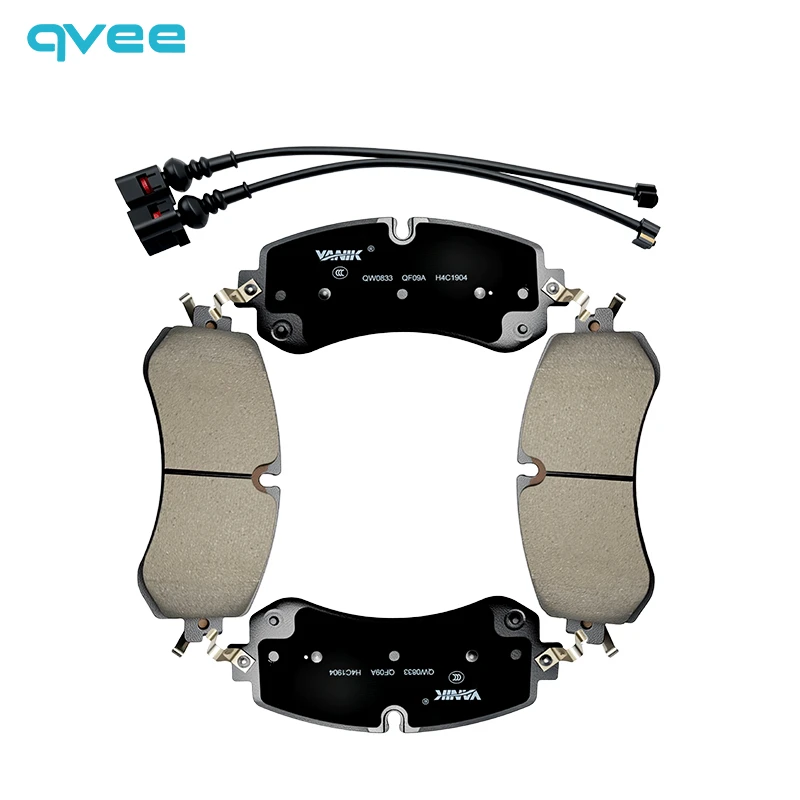
When Brake Pads For Commercial Vehicle produce unusual noise, it should not automatically be assumed that the brake pads themselves are the only cause. A vehicle's braking system consists of multiple components that work together, and unusual noise may be related to the brake pad surface, contact between braking components, dust or foreign particles, moisture, or driving conditions. Therefore, when inspecting unusual noise, it is important to consider the specific conditions under which the noise occurs.
First, observe when and how the unusual noise occurs. For example, determine whether it appears when the vehicle first starts moving or after repeated braking, whether it occurs during light braking or stronger braking, and whether it is more noticeable on dry roads or in wet conditions. It is also useful to determine whether the noise occurs occasionally or every time the brakes are applied. These observations can help identify whether the noise is related to a particular operating environment.
Next, the external condition of the brake pads should be inspected when it is safe to do so. Pay particular attention to the friction surface for obvious scratches, localized abnormal wear, cracks, damage, or separation of friction material. An uneven or damaged friction surface may produce abnormal friction noise during braking. Foreign particles on the brake pad surface may also cause scraping sounds and should be checked appropriately.
The wear pattern of the brake pads should also be examined. Brake pads naturally wear during normal operation, but if one area wears significantly faster than another, this may indicate uneven force distribution or abnormal contact during braking. In such cases, the related braking components should also be inspected instead of simply attributing the noise to the brake pad material.
The contact condition between the brake pads and related braking components should then be checked. Abnormal wear, foreign particles, or restricted movement of related components may affect the friction process. Commercial vehicles that operate for long periods or brake frequently can accumulate dust and road debris around the braking area, which may eventually affect the normal interaction between components.
For vehicles that have recently been exposed to rain, standing water, or humid conditions, temporary mild noise does not necessarily indicate that the brake pads are damaged. Moisture on the surface of braking components and changes in environmental conditions can temporarily affect friction and produce noise. If the noise disappears after normal operation resumes, the condition can be monitored based on actual circumstances. However, if the noise persists or becomes more noticeable, further inspection is necessary.
In conclusion, when Brake Pads For Commercial Vehicle produce unusual noise, the inspection should consider the conditions under which the noise occurs, the brake pad surface, wear pattern, related braking components, and the vehicle's overall braking performance. Identifying the actual cause of the noise allows appropriate action to be taken and helps prevent a minor issue from developing into a more significant problem that could affect normal braking.


