

Unusual noises from Wear Resistant Truck Brake Pads during operation may be related to the friction material, mating braking components, installation conditions, or the vehicle's operating environment. When the braking system operates, the brake pads contact the brake discs or drums and other friction components. Under certain conditions, mild friction noise may occur. However, persistent or increasingly loud noises, especially when accompanied by reduced braking performance or vehicle vibration, require prompt inspection to prevent potential problems from becoming more serious.
First, excessive brake pad wear may cause unusual noises. As the vehicle operates over time, the friction material gradually wears away. When the material approaches or reaches its replacement limit, a wear indicator incorporated into some products may produce a specific sound to alert the driver that the brake pads need inspection. Continued use of severely worn brake pads may damage the mating friction components. Therefore, when persistent metallic scraping or other abnormal noises occur, inspect the remaining friction material and the overall condition of the brake pads. Replace them when required by the vehicle manufacturer's maintenance guidelines.
Second, dust, grit, or other foreign objects on the friction surfaces may cause noise. When trucks operate on construction sites, in mining areas, on gravel roads, or in dusty environments, small particles may enter the areas surrounding the braking components and interfere with contact between the brake pads and the friction surfaces. This may produce scraping sounds or intermittent noise. During inspection, clean the relevant areas according to the vehicle manufacturer's maintenance instructions and confirm that foreign objects have not damaged the friction surfaces. Do not use chemicals that may damage the friction material, and never apply lubricants to the friction surfaces of the brake pads.
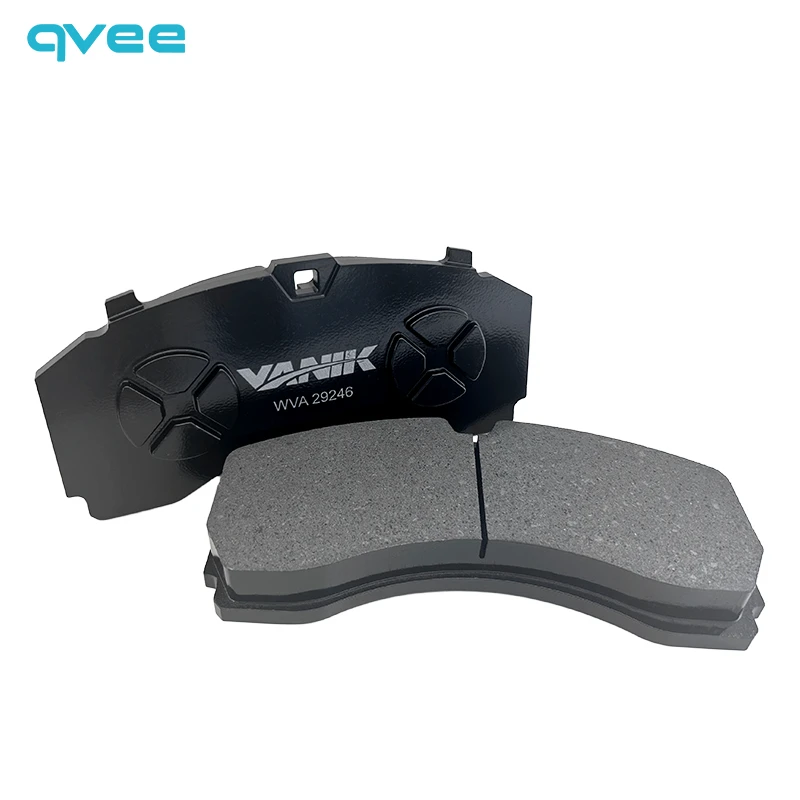
Third, abnormal conditions on the brake disc or drum surfaces may cause unusual noises. If these components develop deep grooves, corrosion, uneven surfaces, or abnormal wear, contact with the brake pads may produce unwanted sounds. When a vehicle has been parked in a damp environment, light surface rust may develop, sometimes causing temporary friction noise during the first few braking operations. However, if the noise persists or is accompanied by brake vibration or reduced braking effectiveness, the related components should be inspected for more serious problems. Repair or replacement should be carried out as necessary.
Fourth, improper installation or incompatible components may cause abnormal noise. If the brake pads are incorrectly installed, retaining hardware is loose, or related accessories are missing or damaged, vibration or rattling may occur during braking. Incompatible brake pads may also create abnormal contact conditions. When replacing brake pads, confirm product compatibility and install all required retaining hardware and accessories according to the manufacturer's instructions. After installation, check that all components are secure and that the braking mechanisms operate correctly.
In summary, unusual noises from Wear Resistant Truck Brake Pads may be caused by excessive wear, foreign objects, abnormal friction surfaces, improper installation, or braking mechanism faults. Drivers should inspect the system promptly and address potential hazards. If the noise is accompanied by reduced braking performance, significant vibration, or abnormal overheating, the vehicle should not continue operating until the problem has been assessed. Proper installation, regular maintenance, and timely attention to abnormal conditions help maintain the braking system in proper working order.


