

Wear Resistant Truck Brake Pads commonly experience wear after a period of use. Their primary function is to generate friction by contacting mating components, such as brake discs or drums, to help slow down or stop the vehicle. During this process, the friction material on the brake pads is gradually consumed. Therefore, even brake pads designed for good wear resistance cannot eliminate wear entirely. Their purpose is to help reduce material loss under suitable operating conditions.
First, friction during braking is the main cause of brake pad wear. When the driver presses the brake pedal, the braking system activates the relevant components, bringing the brake pads into contact with the mating friction surfaces. The vehicle's kinetic energy is converted into heat through friction, reducing the vehicle's speed. As braking is repeated, the material on the brake pad surfaces gradually wears away. This type of wear is a normal part of operation. Regular inspections are necessary to determine whether the brake pads remain in a suitable condition for continued use.
Second, braking frequency affects the rate of wear. If a truck frequently travels on congested urban roads or needs to stop, start, and slow down repeatedly, its brake pads will be used more often. Compared with vehicles operating under relatively stable conditions with fewer braking events, vehicles that brake frequently generally experience greater friction material consumption. On mountainous roads or long downhill slopes, continuously relying on the service brakes to control speed can also cause heat to accumulate in the braking system, increasing the workload on its components.
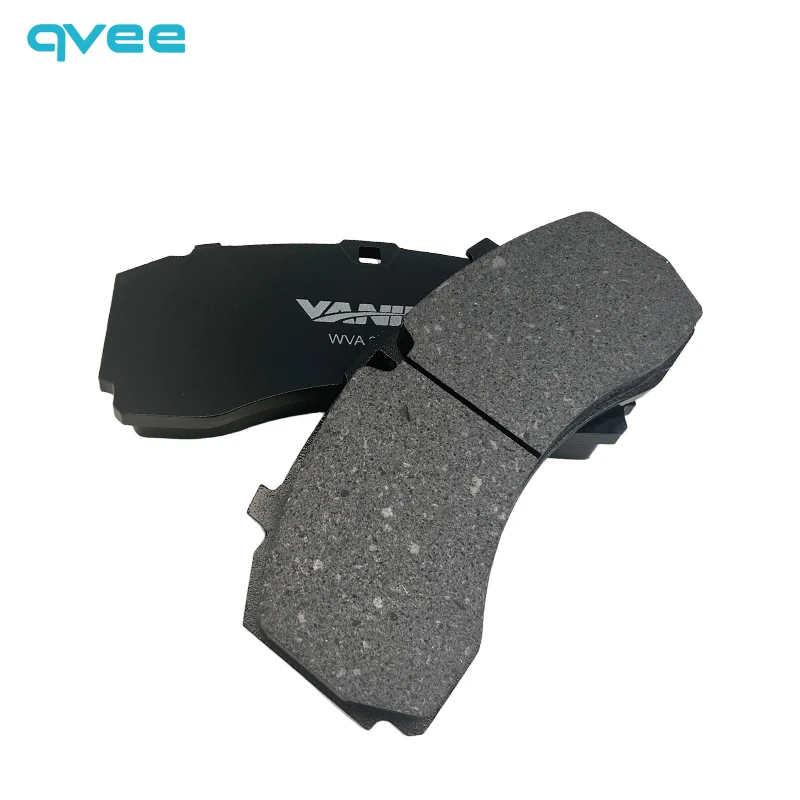
Third, vehicle load and driving habits also influence brake pad wear. When braking, a heavily loaded truck generally needs to manage more kinetic energy, which can place greater demands on the braking system. If drivers frequently brake suddenly, follow other vehicles too closely, or brake unnecessarily, the brake pads may wear more quickly. Maintaining an appropriate speed, keeping a safe following distance, anticipating traffic conditions, and using auxiliary braking systems according to the vehicle manufacturer's instructions can help reduce the load on the braking system.
Fourth, road conditions and external contaminants can affect brake pad wear. When vehicles operate on gravel roads, construction sites, or in dusty environments, dust, small particles, and other contaminants may enter the areas surrounding the braking components and affect their operating conditions. In damp environments, related components may also be affected by moisture and corrosion. If friction surfaces become contaminated, damaged, or irregular, wear may accelerate or braking performance may change. Therefore, inspections and appropriate cleaning should be carried out according to the vehicle's operating environment.
Overall, wear on Wear Resistant Truck Brake Pads is a normal consequence of friction braking. However, excessively rapid wear, uneven wear, or wear accompanied by abnormal symptoms requires attention. Responsible driving, proper operation, regular inspections, and timely replacement of brake pads that have reached their service limits can help maintain normal braking system performance and reduce safety risks associated with component failure.


