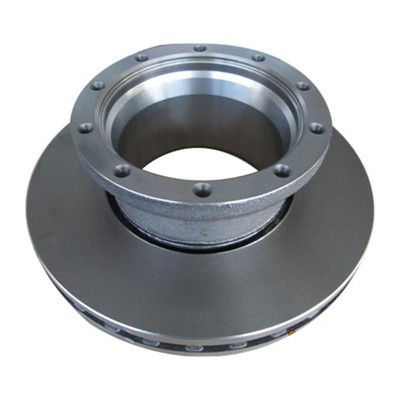
As a supplier of HOLDEN brake pads, I've been deeply involved in the automotive industry for years. One question that frequently arises from our customers is whether HOLDEN brake pads are affected by extreme temperatures. In this blog, I'll explore this topic in detail, drawing on scientific knowledge and practical experience.


The Basics of Brake Pad Function
Before delving into the impact of extreme temperatures, it's essential to understand how brake pads work. When you press the brake pedal, the brake caliper squeezes the brake pads against the brake rotor. This friction between the pads and the rotor converts the kinetic energy of the moving vehicle into thermal energy, which slows down and eventually stops the car. The efficiency of this process depends on several factors, including the material of the brake pads, the quality of the manufacturing process, and, of course, the operating temperature.
How Extreme Temperatures Affect Brake Pads
High Temperatures
High temperatures can have a significant impact on the performance of HOLDEN brake pads. When a vehicle is driven aggressively, especially in mountainous regions or during high - speed braking maneuvers, the brake pads can generate a large amount of heat. As the temperature rises, the friction material of the brake pads can start to break down.
One of the most common problems associated with high temperatures is brake fade. Brake fade occurs when the brake pads reach a temperature where the friction coefficient decreases significantly. This means that the brakes become less effective, and you may need to press the brake pedal harder to achieve the same level of braking force. In extreme cases, brake fade can lead to a complete loss of braking power, which is extremely dangerous.
Another issue caused by high temperatures is the glazing of the brake pads. Glazing happens when the friction material on the surface of the brake pads melts and re - solidifies into a smooth, shiny layer. This glazed surface reduces the friction between the brake pads and the rotor, further decreasing the braking performance.
Low Temperatures
On the other hand, low temperatures can also affect the performance of HOLDEN brake pads. In cold weather, the friction material of the brake pads can become harder and less flexible. This can result in reduced friction and longer braking distances. Additionally, moisture can accumulate on the brake pads and rotors in cold and damp conditions. When the brakes are applied, this moisture can cause a temporary loss of friction, known as "wet braking."
HOLDEN Brake Pads and Temperature Resistance
At our company, we understand the importance of temperature resistance in brake pads. That's why we use high - quality materials and advanced manufacturing processes to ensure that our HOLDEN brake pads can withstand extreme temperatures.
Our brake pads are made from a carefully formulated friction material that has excellent heat dissipation properties. This means that they can effectively transfer the heat generated during braking to the surrounding environment, reducing the risk of overheating and brake fade. Additionally, the friction material is designed to maintain its integrity and friction coefficient over a wide range of temperatures, from extremely cold to very hot.
We also conduct rigorous testing on our brake pads to ensure their performance in different temperature conditions. Our testing facilities simulate real - world driving scenarios, including high - speed braking, mountain driving, and cold - weather conditions. By subjecting our brake pads to these extreme tests, we can identify any potential issues and make improvements to the design and manufacturing process.
Comparing with Other Brands
It's worth comparing HOLDEN brake pads with other brands in terms of temperature resistance. For example, FIAT Brake Pads and CHRYSLER Brake Pads are also popular in the market. While these brands offer good performance, our HOLDEN brake pads are specifically engineered to meet the unique requirements of HOLDEN vehicles.
Our research and development team has conducted extensive studies on the braking systems of HOLDEN cars, taking into account factors such as the weight, power, and driving characteristics of these vehicles. This allows us to optimize the design and performance of our brake pads for maximum temperature resistance and braking efficiency. In comparison, BUICK Brake Pads may have different performance characteristics due to the differences in the vehicles they are designed for.
Maintenance Tips for Brake Pads in Extreme Temperatures
To ensure the long - term performance of your HOLDEN brake pads in extreme temperatures, it's important to follow some maintenance tips.
In high - temperature conditions, avoid aggressive driving and excessive braking. If you're driving in the mountains or on a track, give your brakes time to cool down between heavy braking sessions. You can also consider upgrading to high - performance brake pads if you frequently drive in demanding conditions.
In low - temperature conditions, make sure to warm up your brakes gently at the start of your journey. This can help to increase the temperature of the brake pads and improve their performance. Additionally, keep your brakes clean and dry to prevent moisture from accumulating.
Conclusion
In conclusion, HOLDEN brake pads can be affected by extreme temperatures, but our company takes extensive measures to ensure their performance and safety. We use high - quality materials, advanced manufacturing processes, and rigorous testing to make our brake pads resistant to both high and low temperatures.
If you're interested in purchasing HOLDEN brake pads or have any questions about their performance in extreme temperatures, please feel free to contact us for a detailed discussion. We're committed to providing you with the best - quality brake pads and excellent customer service.
References
- "Automotive Braking Systems" by John C. Dixon
- "The Physics of Braking" by David Crolla
- Technical reports from our in - house research and development department