A properly functioning braking system is the cornerstone of any truck's safety and operational efficiency. Among the key components of this system are the brake calipers and brake discs. As a dedicated truck brake disc supplier, I've witnessed firsthand the importance of these parts working in unison. But what happens when a brake caliper malfunctions? Can it cause damage to the truck brake disc? Let's delve into this crucial question.
Understanding the Basics of Truck Braking Systems
Before we explore the relationship between a faulty brake caliper and a truck brake disc, let's have a brief look at how a truck braking system works. When the driver presses the brake pedal, hydraulic pressure is created in the brake lines. This pressure is then transmitted to the brake calipers, which house the brake pads. The calipers squeeze the brake pads against the spinning brake disc, creating friction. This friction slows down and eventually stops the rotation of the wheels, bringing the truck to a halt.
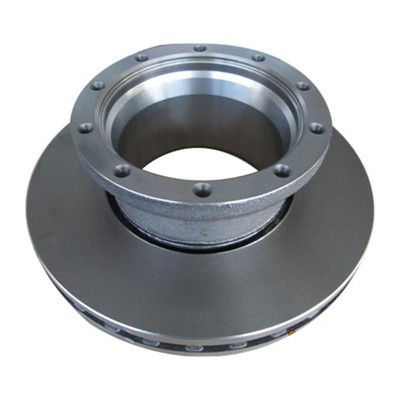
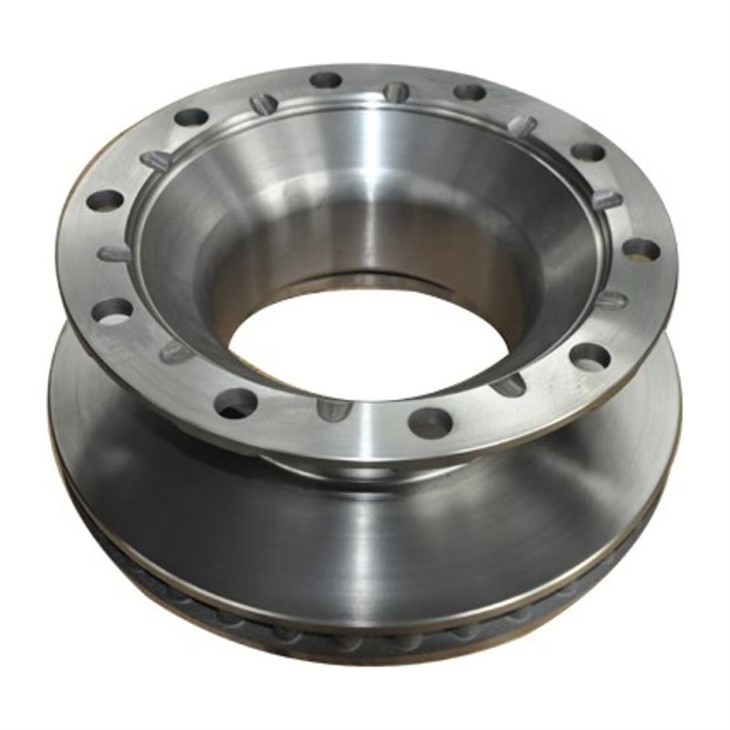
The brake disc, also known as a rotor, is a flat, circular metal component that rotates with the wheel. Its smooth surface provides a stable contact area for the brake pads. On the other hand, the brake caliper is a mechanism that applies the necessary force to the brake pads. A well-maintained and properly functioning caliper and disc are essential for efficient braking.
How a Faulty Brake Caliper Can Damage a Truck Brake Disc
A faulty brake caliper can cause various problems, and one of the most significant is damage to the brake disc. There are several ways in which a malfunctioning caliper can lead to disc damage:
Uneven Braking Pressure
One of the most common issues with a faulty brake caliper is uneven braking pressure. When a caliper fails to apply equal pressure on both sides of the brake disc, it can result in uneven wear. For example, if one side of the caliper is sticking, the brake pad on that side will exert more pressure on the disc than the other side. Over time, this uneven pressure will cause the disc to wear unevenly, leading to a condition known as "disc taper." A tapered disc can cause vibrations, pulsations, and reduced braking performance. It can also lead to premature wear of the brake pads and other braking components.
Overheating
A faulty brake caliper can also cause the brake disc to overheat. If the caliper fails to release the brake pads properly after the driver releases the brake pedal, the pads will continue to rub against the disc. This constant friction generates excessive heat, which can damage the disc. Overheating can cause the disc to warp, crack, or even glaze. A warped disc will cause vibrations and pulsations when the brakes are applied, while a cracked disc can be extremely dangerous as it may fail suddenly. Glazing occurs when the surface of the disc becomes hard and smooth, reducing the friction between the pads and the disc and thus impairing braking performance.
Contamination
Another way a faulty brake caliper can damage the brake disc is through contamination. If the caliper seals are worn or damaged, brake fluid can leak onto the brake disc. Brake fluid is corrosive and can damage the surface of the disc. Additionally, dirt, debris, and water can enter the caliper through the damaged seals, further contaminating the disc and reducing its braking efficiency.
Signs of a Faulty Brake Caliper and Damaged Brake Disc
As a truck brake disc supplier, I often advise my customers to be vigilant for the signs of a faulty brake caliper and damaged brake disc. Here are some common symptoms to watch out for:
Vibrations and Pulsations
If you feel vibrations or pulsations in the steering wheel or brake pedal when you apply the brakes, it could be a sign of a warped or unevenly worn brake disc. This is often caused by a faulty brake caliper applying uneven pressure or not releasing the pads properly.

Squealing or Grinding Noises
Squealing or grinding noises when applying the brakes can indicate several problems, including worn brake pads, a damaged brake disc, or a faulty brake caliper. If the caliper is not functioning correctly, it may cause the pads to rub against the disc in an abnormal way, producing these noises.
Pulling to One Side
If your truck pulls to one side when you apply the brakes, it could be a sign of uneven braking pressure. This is often caused by a stuck or malfunctioning brake caliper on one side of the vehicle.
Reduced Braking Performance
A noticeable reduction in braking performance, such as longer stopping distances or a spongy brake pedal, can be a sign of a damaged brake disc or faulty brake caliper. If the caliper is not applying enough pressure or if the disc is damaged, it will affect the overall braking efficiency of the vehicle.
Preventing Brake Disc Damage from a Faulty Caliper
Preventing brake disc damage from a faulty caliper starts with regular maintenance and inspection. Here are some steps you can take:
Regular Brake System Inspections
Have your truck's braking system inspected regularly by a qualified mechanic. They can check for signs of wear and tear on the brake calipers, brake pads, and brake discs. Early detection of a faulty caliper can prevent damage to the brake disc and other braking components.
Replace Worn Brake Components
If the brake calipers, brake pads, or brake discs show signs of excessive wear or damage, replace them immediately. Using worn or damaged components can not only lead to further damage but also compromise the safety of your vehicle.
Use High-Quality Brake Components
As a truck brake disc supplier, I always recommend using high-quality brake components. Heavy Duty Vehicle Brake Discs, Semi Truck Brake Disc, and Heavy Commercial Vehicle Brake Discs are designed to withstand the rigors of heavy use and provide reliable braking performance. High-quality calipers and discs are less likely to malfunction and cause damage to each other.
Conclusion
In conclusion, a faulty brake caliper can indeed damage a truck brake disc. Uneven braking pressure, overheating, and contamination are just some of the ways a malfunctioning caliper can lead to disc damage. It's crucial for truck owners and operators to be aware of the signs of a faulty caliper and damaged disc and to take proactive steps to prevent these issues.
As a truck brake disc supplier, I'm committed to providing high-quality brake discs that meet the needs of heavy-duty applications. Whether you're in the market for Heavy Duty Vehicle Brake Discs, Semi Truck Brake Disc, or Heavy Commercial Vehicle Brake Discs, I can offer you the products you need for reliable and safe braking.
If you're interested in learning more about our truck brake discs or would like to discuss your specific requirements, please feel free to reach out. Our team of experts is ready to assist you with all your braking needs and help you make the right purchasing decisions.
References
- Chilton's Repair Manuals
- Miller, John. "Truck Brake Systems: A Comprehensive Guide." Brake Technology Press, 2020.
- Society of Automotive Engineers (SAE) technical papers on truck braking systems.