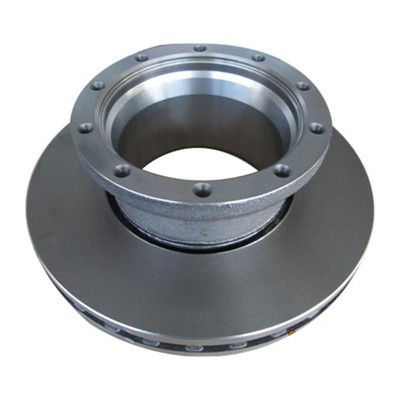
Hey there, fellow car enthusiasts! I'm a supplier of BMW Brake Disc, and today, I wanna chat about a question that often pops up in the automotive world: Can a malfunctioning ABS affect BMW brake discs?
Let's start by getting a basic understanding of what ABS is. ABS, or Anti - lock Braking System, is a safety feature in modern cars, including BMWs. Its main job is to prevent the wheels from locking up during hard braking. When you slam on the brakes, especially on slippery surfaces, the wheels could lock, and you'd lose steering control. ABS rapidly pumps the brakes to keep the wheels rotating, allowing you to steer while braking.
Now, let's dig into how a malfunctioning ABS might impact BMW brake discs.
1. Uneven Braking Pressure
One of the most common problems with a faulty ABS is uneven braking pressure. The ABS is designed to distribute braking force evenly among all the wheels. When it malfunctions, it may not be able to do this properly. For example, if the ABS sensor on one wheel is not working correctly, it might send incorrect signals to the ABS control module. As a result, the braking force on that wheel could be different from the others.
This uneven braking pressure can cause uneven wear on the brake discs. On the wheel with more braking force, the brake disc will experience more friction and heat. Over time, this can lead to warping of the brake disc. A warped brake disc can cause vibrations when you brake, and it can also reduce the overall braking performance of your BMW.
2. Excessive Heat Generation
A malfunctioning ABS can also lead to excessive heat generation in the brake discs. When the ABS doesn't work as it should, the brakes may be applied more forcefully or for longer periods than necessary. This increased friction between the brake pads and the brake discs generates a lot of heat.
BMW brake discs are made to withstand a certain amount of heat, but excessive heat can damage them. High temperatures can cause the metal in the brake disc to expand and contract rapidly. This repeated expansion and contraction can lead to cracks in the brake disc. Once a brake disc has cracks, it's not only less effective at braking but also a safety hazard.
3. Premature Wear
Another consequence of a malfunctioning ABS is premature wear of the brake discs. As I mentioned earlier, uneven braking pressure and excessive heat can both contribute to this. When the brake discs wear out prematurely, you'll have to replace them more often. This can be a costly affair for BMW owners.
For us as BMW Brake Disc suppliers, we've seen many cases where customers come to us complaining about rapid brake disc wear, and often, a malfunctioning ABS is the root cause.
How to Detect a Malfunctioning ABS
Now that we know how a malfunctioning ABS can affect BMW brake discs, it's important to know how to detect if your ABS is not working properly. Here are some signs:
- ABS Warning Light: This is the most obvious sign. If the ABS warning light on your dashboard comes on, it means there's a problem with the ABS system. Don't ignore it!
- Vibrations or Pulsations: If you feel unusual vibrations or pulsations in the brake pedal when you brake, it could be a sign of a malfunctioning ABS.
- Longer Braking Distances: If you notice that your BMW takes longer to stop than usual, especially on wet or slippery roads, the ABS might be at fault.
What to Do if You Suspect a Malfunctioning ABS
If you suspect that your ABS is malfunctioning, the first thing you should do is take your BMW to a professional mechanic. They have the tools and expertise to diagnose the problem accurately. They'll check the ABS sensors, the control module, and other components of the ABS system.
Once the problem is identified, they can either repair or replace the faulty parts. It's important to get the ABS fixed as soon as possible to prevent further damage to your brake discs and to ensure your safety on the road.
Comparing with Other Brands
It's interesting to compare how a malfunctioning ABS affects BMW brake discs with other car brands. For example, Mercedes - Benz Brake Disc and Mercedes Brake Disc also face similar issues when the ABS malfunctions. However, each brand has its own unique design and engineering, so the extent of the damage might vary.
BMW is known for its high - performance braking systems, but that doesn't mean they're immune to the effects of a faulty ABS. Mercedes - Benz, on the other hand, has its own set of features and technologies in its braking systems. But in general, a malfunctioning ABS can cause uneven wear, excessive heat, and premature failure of brake discs in both brands.
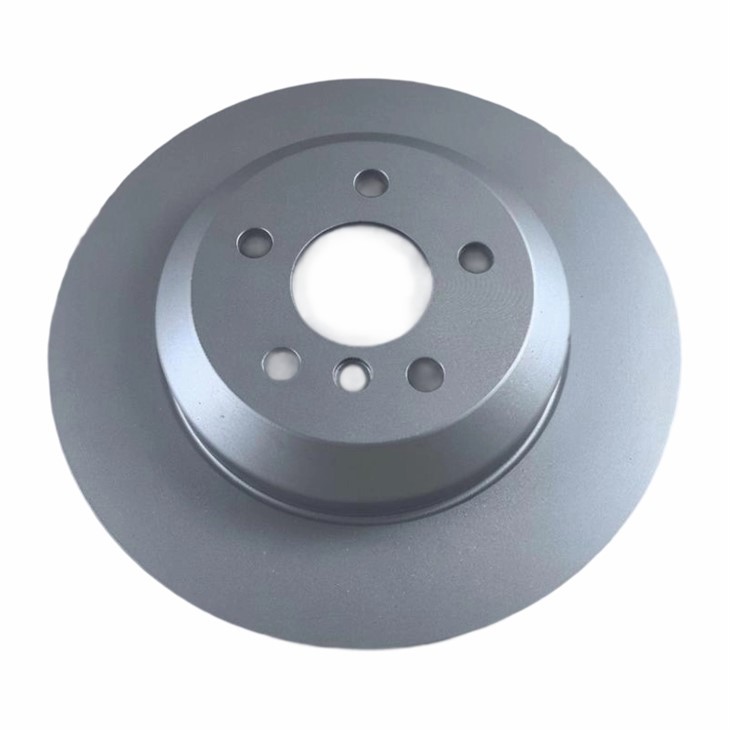

Our Role as a BMW Brake Disc Supplier
As a BMW Brake Disc supplier, we play a crucial role in ensuring that BMW owners have access to high - quality brake discs. We source our materials from reliable suppliers and use advanced manufacturing techniques to produce brake discs that meet or exceed the original equipment manufacturer (OEM) standards.
We understand the importance of a properly functioning braking system, and we know how a malfunctioning ABS can impact the brake discs. That's why we're always here to provide our customers with the best products and advice. Whether you need a replacement brake disc due to wear and tear or because of damage caused by a faulty ABS, we've got you covered.
Conclusion
In conclusion, a malfunctioning ABS can definitely affect BMW brake discs. It can cause uneven braking pressure, excessive heat generation, and premature wear. As a BMW owner, it's important to be aware of the signs of a malfunctioning ABS and to get it fixed as soon as possible.
If you're in the market for high - quality BMW Brake Disc, look no further. We're here to offer you the best products and services. If you have any questions or want to discuss your brake disc needs, feel free to reach out. We're always happy to help you make the right choice for your BMW.
References
- Automotive Engineering Handbook
- BMW Technical Manuals
- Mercedes - Benz Technical Documentation