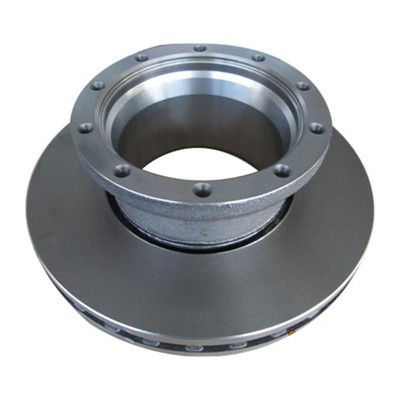
During a regular car service, one of the most common questions car owners often ask is whether a mechanic can check the car brake shoes. As a car brake shoes supplier, I'm well - versed in this topic and can provide in - depth insights.
The Importance of Regular Brake Shoe Checks
Brake shoes are a critical component of a vehicle's braking system. They are responsible for creating the friction necessary to slow down or stop the car. Over time, brake shoes wear out due to the constant friction and heat generated during braking. A worn - out brake shoe can significantly compromise the vehicle's safety, increasing the stopping distance and potentially leading to brake failure.
During a regular service, a mechanic should indeed check the brake shoes. This is a fundamental part of maintaining the overall safety and performance of the vehicle. A professional mechanic has the expertise and tools to assess the condition of the brake shoes accurately. They can determine if the brake shoes are worn beyond the recommended thickness, if there are any signs of uneven wear, or if there are other issues such as cracks or glazing.
How Mechanics Check Brake Shoes
When a mechanic checks the brake shoes during a regular service, the process typically involves the following steps:
-
Visual Inspection: The mechanic will first visually inspect the brake shoes. This involves removing the wheels to gain access to the brake assembly. They will look for obvious signs of wear, such as thinning of the friction material, cracks, or uneven surfaces. For example, if the brake shoes have worn down to a thickness of less than 1/8 inch, it is usually an indication that they need to be replaced.
-
Measurement: After the visual inspection, the mechanic may use a caliper or a specialized measuring tool to measure the thickness of the brake shoes precisely. This measurement helps in determining if the brake shoes are still within the manufacturer's recommended specifications.
-
Check for Glazing: Glazing occurs when the friction material on the brake shoes becomes smooth and shiny due to excessive heat. Glazed brake shoes can reduce the braking efficiency. The mechanic will check for glazing by looking at the surface of the brake shoes and may also test the braking performance to detect any signs of reduced friction.
-
Inspect the Brake Assembly: Along with checking the brake shoes, the mechanic will also inspect the entire brake assembly. This includes checking the brake drums, wheel cylinders, and brake lines. Any issues with these components can also affect the performance of the brake shoes and the overall braking system.

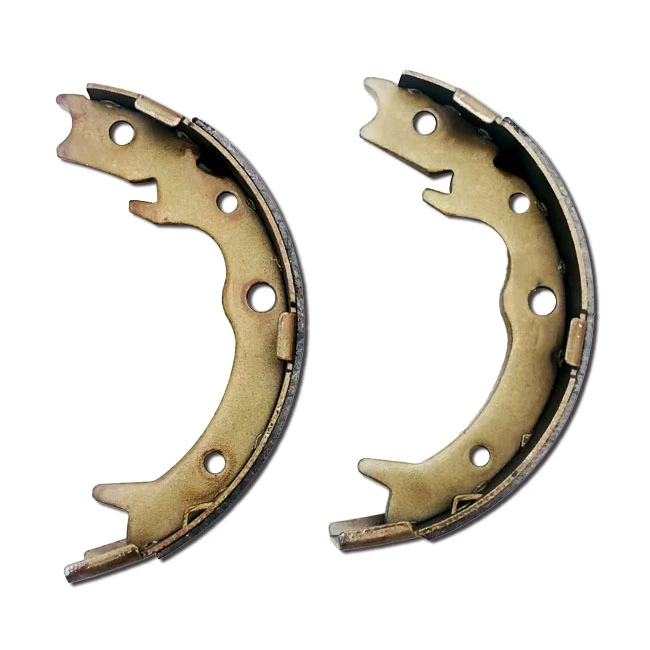
Types of Brake Shoes
There are different types of brake shoes available in the market, each designed for specific applications. As a car brake shoes supplier, we offer a wide range of brake shoes to meet the diverse needs of our customers.
- Handbrake Pad: The Handbrake Pad is an important part of the parking brake system. It provides the necessary friction to hold the vehicle in place when parked. Handbrake pads are often made of a different type of friction material compared to regular brake shoes, as they are designed to withstand long - term static pressure.
- Rear Brake Shoes: Rear Brake Shoes are used in the rear wheels of the vehicle. They work in conjunction with the front brakes to provide balanced braking performance. Rear brake shoes may have different specifications depending on the vehicle's make and model.
- BMW Rear Brake Shoes: For BMW owners, we offer BMW Rear Brake Shoes. These brake shoes are specifically designed to meet the high - performance standards of BMW vehicles. They are made from high - quality materials to ensure optimal braking performance and durability.
Why Choose Our Brake Shoes
As a car brake shoes supplier, we take pride in offering high - quality brake shoes that meet or exceed industry standards. Here are some reasons why customers should choose our brake shoes:
- Quality Materials: We use only the highest - quality materials in the manufacturing of our brake shoes. This ensures that our brake shoes have excellent friction characteristics, long - lasting durability, and are resistant to heat and wear.
- Precision Manufacturing: Our brake shoes are manufactured using state - of - the - art technology and precision engineering. This results in brake shoes that fit perfectly into the vehicle's brake assembly, providing consistent and reliable braking performance.
- Extensive Testing: Before our brake shoes are released to the market, they undergo extensive testing. This includes performance testing under various conditions, such as different temperatures and braking loads, to ensure that they meet our strict quality standards.
The Role of a Mechanic in Brake Shoe Replacement
If the mechanic determines that the brake shoes need to be replaced during the regular service, they play a crucial role in the replacement process. A professional mechanic has the skills and knowledge to install the new brake shoes correctly. This involves properly adjusting the brake shoes, ensuring that they are aligned correctly with the brake drums, and bleeding the brake system if necessary.
Proper installation of the brake shoes is essential for the safety and performance of the vehicle. Incorrect installation can lead to issues such as uneven braking, noise, and premature wear of the brake components. Therefore, it is always recommended to have the brake shoes replaced by a qualified mechanic.
Contact Us for Your Brake Shoe Needs
If you are in the market for high - quality car brake shoes, we are here to help. Whether you are a car owner looking to replace your brake shoes or a mechanic in need of a reliable supplier, we can provide you with the best products at competitive prices. Our team of experts is always ready to assist you with any questions or concerns you may have regarding our brake shoes. Contact us today to start a discussion about your brake shoe requirements and explore the possibilities of a successful partnership.
References
- "Automotive Brake Systems" by Jack Erjavec. This comprehensive book provides detailed information about the design, operation, and maintenance of automotive brake systems, including brake shoes.
- Manufacturer's manuals for various vehicle models. These manuals offer specific information about the recommended maintenance intervals and specifications for brake shoes.