Can a mechanic misdiagnose problems with car brake discs? This is a question that often concerns car owners and those in the automotive industry. As a car brake disc supplier, I've witnessed firsthand the impact of accurate and inaccurate diagnoses on the market and the end - users.
Understanding Car Brake Discs
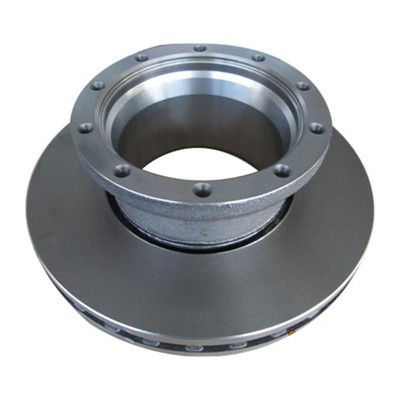
Before delving into the issue of misdiagnosis, it's essential to understand what car brake discs are and their role in a vehicle's braking system. Brake discs, also known as rotors, are circular metal plates that are attached to the wheels of a car. When the driver presses the brake pedal, brake pads clamp down on the brake discs, creating friction. This friction slows down the rotation of the wheels, ultimately bringing the vehicle to a stop.
The quality of brake discs is crucial for the safety and performance of a vehicle. High - quality brake discs, such as Toyota Brake Disc, Chevy Brake Discs, and AUDI Brake Disc, are designed to withstand high temperatures, resist wear and tear, and provide consistent braking performance.
Common Brake Disc Problems
There are several common problems that can occur with car brake discs. One of the most prevalent issues is warping. Warped brake discs can cause a pulsating feeling in the brake pedal when the brakes are applied. This can be due to excessive heat generated during braking, which can cause the metal in the disc to expand and contract unevenly.
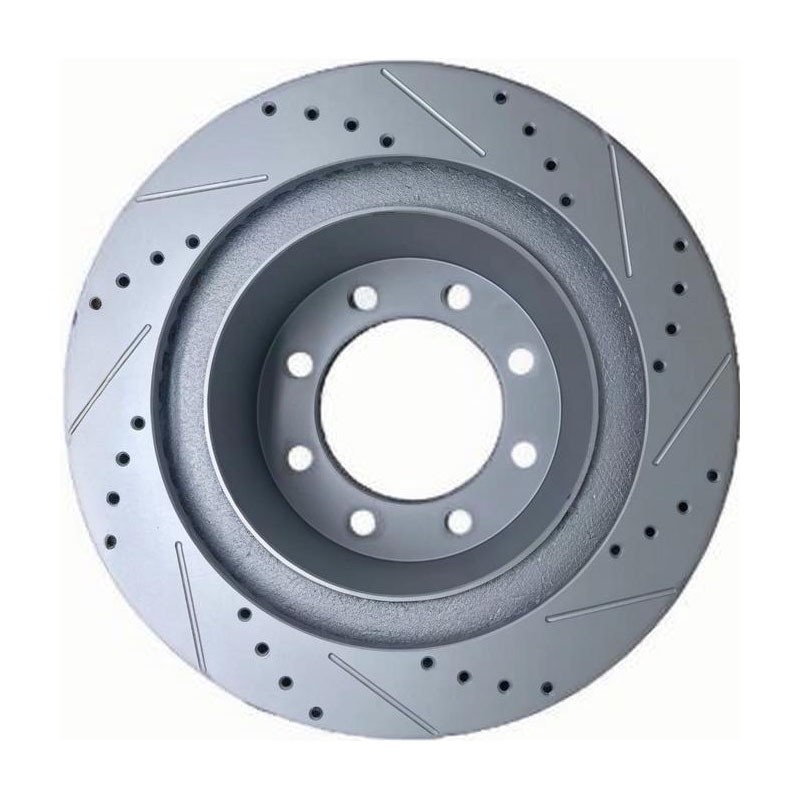
Another common problem is scoring. Scoring occurs when the brake pads wear down and leave grooves on the surface of the brake disc. This can reduce the contact area between the brake pads and the disc, leading to decreased braking efficiency.
Cracking is also a serious problem. Cracks in the brake disc can weaken its structure and may eventually lead to the disc breaking apart while the vehicle is in motion, which is extremely dangerous.
Reasons for Mechanic Misdiagnosis
Mechanics are trained professionals, but they are not infallible. There are several reasons why a mechanic might misdiagnose problems with car brake discs.
Lack of Experience
New or inexperienced mechanics may not have encountered all the possible brake disc problems. For example, they may mistake a minor scoring issue for a more severe warping problem. Without sufficient hands - on experience, they may not be able to accurately assess the extent of the damage.
Inadequate Tools
Proper diagnosis of brake disc problems often requires specialized tools. If a mechanic does not have access to high - quality measuring tools, they may not be able to accurately measure the thickness of the brake disc or detect small cracks. For instance, a simple micrometer can be used to measure the thickness of the brake disc, but if it is inaccurate or not calibrated correctly, the mechanic may misjudge the disc's condition.
Bias and Assumptions
Sometimes, mechanics may have preconceived notions about certain car models or brands. They may assume that a particular brand of brake disc is more prone to a certain type of problem. For example, they might assume that a budget - brand brake disc is more likely to warp, even if the actual problem is due to improper installation or driving habits.
Consequences of Misdiagnosis
The consequences of a mechanic misdiagnosing brake disc problems can be significant.
Financial Loss for the Customer
If a mechanic misdiagnoses a problem and recommends unnecessary replacement of the brake discs, the customer will have to bear the cost of the new discs and the labor for installation. This can be a substantial financial burden, especially if the vehicle is a high - end model with expensive brake components.
Safety Risks
On the other hand, if a mechanic fails to detect a serious problem with the brake discs, such as a crack, it can pose a significant safety risk. A cracked brake disc can fail while the vehicle is in motion, leading to a loss of braking power and potentially causing an accident.

Reputation Damage for the Mechanic and the Shop
Misdiagnosis can also damage the reputation of the mechanic and the repair shop. Customers who have had a negative experience due to misdiagnosis are likely to share their stories with others, which can lead to a loss of business in the long run.
How to Avoid Misdiagnosis
As a car brake disc supplier, I understand the importance of accurate diagnosis. Here are some steps that can be taken to avoid misdiagnosis.
Continuing Education for Mechanics
Mechanics should participate in regular continuing education programs to stay updated on the latest brake disc technologies and diagnostic techniques. This can help them improve their skills and knowledge, reducing the likelihood of misdiagnosis.
Use of High - Quality Tools
Repair shops should invest in high - quality diagnostic tools. This includes tools for measuring the thickness of the brake disc, detecting cracks, and assessing the surface condition. Using accurate tools can significantly improve the accuracy of the diagnosis.
Second Opinions
Customers should not hesitate to seek a second opinion if they are unsure about a mechanic's diagnosis. A second opinion from another qualified mechanic can provide a more accurate assessment of the brake disc problem.
The Role of a Reliable Brake Disc Supplier
As a brake disc supplier, we play a crucial role in ensuring the proper diagnosis and repair of brake disc problems.
Providing Technical Support
We offer technical support to mechanics and repair shops. Our team of experts can provide guidance on the proper installation, maintenance, and diagnosis of brake disc problems. We can also offer training programs to help mechanics improve their skills.
Quality Assurance
We ensure that the brake discs we supply are of the highest quality. By providing high - quality products, we reduce the likelihood of problems occurring in the first place. Our Toyota Brake Disc, Chevy Brake Discs, and AUDI Brake Disc are all manufactured to strict quality standards, using advanced materials and manufacturing processes.
Conclusion
In conclusion, yes, a mechanic can misdiagnose problems with car brake discs. However, by understanding the common problems, the reasons for misdiagnosis, and the consequences, steps can be taken to minimize the risk. As a car brake disc supplier, we are committed to providing high - quality products and technical support to ensure the safety and performance of vehicles.
If you are in the market for reliable car brake discs, we invite you to contact us for more information and to discuss your procurement needs. We are dedicated to providing the best solutions for your braking requirements.
References
- "Automotive Brake Systems" - A textbook on the principles and components of automotive braking systems.
- Industry reports on brake disc manufacturing and quality control.
- Technical bulletins from major car manufacturers regarding brake disc maintenance and diagnosis.