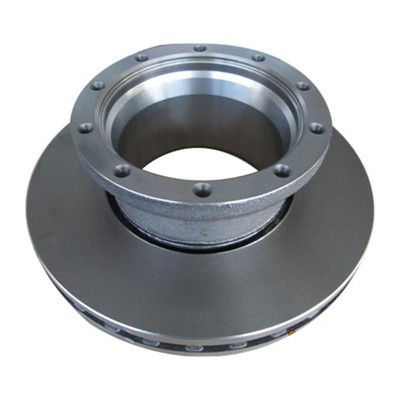
Hey there, fellow car enthusiasts! As a car brake disc supplier, I've seen all sorts of brake discs in my time - shiny new ones, well - worn ones, and unfortunately, a fair share of rusty ones. Today, I wanna talk about something that might seem a bit mundane but is actually super important: can a rusty car brake disc affect braking?
Let's start by understanding what rust is. Rust is basically iron oxide, which forms when iron or steel (the materials commonly used in brake discs) reacts with oxygen and moisture. It's like the car's version of a skin rash, but instead of being on the outside, it's on the crucial parts that stop your car.
When a brake disc starts to rust, it can have several effects on braking performance. First off, rust can change the surface texture of the brake disc. A smooth brake disc surface is essential for proper friction between the brake pads and the disc. When rust builds up, it creates an uneven surface. This unevenness means that the brake pads won't make consistent contact with the disc. Imagine trying to grip a bumpy surface with your hand instead of a smooth one - it's much harder to get a good hold.
This inconsistent contact can lead to reduced braking force. When you step on the brake pedal, you expect your car to slow down or stop quickly. But with a rusty brake disc, the braking action might be less effective. You might notice that it takes longer for your car to come to a halt, or you have to press the brake pedal harder than usual. In some cases, the reduced braking force can be dangerous, especially in emergency situations where every second counts.
Another issue with rusty brake discs is vibration. When the brake pads hit the uneven rusty surface, it can cause the brakes to vibrate. You'll feel this vibration in the brake pedal and sometimes even in the steering wheel. Not only is this annoying, but it can also be a sign that your braking system isn't working as it should. Vibration can also lead to premature wear of the brake pads and other components of the braking system.
Moreover, rust can cause corrosion of the brake disc. Over time, the rust can eat away at the metal, weakening the structure of the disc. A weakened brake disc is more likely to crack or warp. Cracks in the brake disc can spread quickly under the stress of braking, and a warped disc can cause even more severe vibration and further reduce braking performance.
Now, let's talk about how to prevent rust on brake discs. One of the simplest ways is to drive your car regularly. When you drive, the heat generated by the braking action helps to dry out the moisture on the brake discs, reducing the chances of rust formation. Also, keeping your car clean, especially the undercarriage where the brake discs are located, can prevent dirt and moisture from accumulating.
If you do notice rust on your brake discs, there are a few things you can do. For light rust, you can often remove it by simply driving the car and using the brakes normally. The friction between the brake pads and the disc will wear away the rust. However, for more severe rust, you might need to have the brake discs professionally cleaned or even replaced.
As a brake disc supplier, I offer a wide range of high - quality brake discs to suit different needs. For example, if you're a Toyota owner, we have Toyota Floating Carbon BrakeDiscs. These are made with advanced materials that offer excellent braking performance and are more resistant to rust and wear.


If you drive a Volvo, our Volvo Brake Discs are a great choice. They are designed to meet the specific requirements of Volvo vehicles, ensuring a perfect fit and optimal braking.
And for those of you who like to modify your cars, we have Modified Brake Disc. These discs are built to handle the increased stress and performance demands of modified vehicles.
So, if you're experiencing issues with rusty brake discs or just want to upgrade your braking system, don't hesitate to get in touch. Whether you're a car owner, a mechanic, or a car enthusiast, I'm here to help you find the right brake discs for your needs. Contact me for more information and let's start a great business relationship.
In conclusion, a rusty car brake disc can definitely affect braking. It can reduce braking force, cause vibration, and lead to long - term damage to the braking system. But with proper care and the right brake discs, you can keep your car's braking system in top shape.
References
- Automotive Braking Systems Handbook
- Car Maintenance and Repair Guide