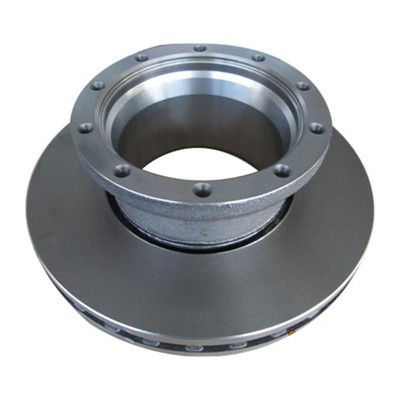
Can a truck brake disc be used in extreme weather conditions? This is a question that many truck operators, fleet managers, and even casual observers in the transportation industry often ponder. As a truck brake disc supplier, I've delved deep into this topic, and I'm excited to share my insights with you.
Understanding Extreme Weather Conditions
Extreme weather conditions can be broadly categorized into two main types: extreme cold and extreme heat. In regions with frigid temperatures, such as the Arctic Circle or high - altitude mountainous areas during winter, the mercury can drop well below freezing. On the other hand, in deserts like the Sahara or during heatwaves in tropical regions, temperatures can soar to blistering highs.
The Impact of Extreme Cold on Truck Brake Discs
When the temperature drops, several physical and chemical changes occur that can affect the performance of truck brake discs.


Material Hardening
Most truck brake discs are made of cast iron or steel. In cold weather, these materials tend to harden. Harder materials can be more brittle, increasing the risk of cracking. When a brake disc cracks, its structural integrity is compromised, leading to uneven braking and potentially dangerous situations on the road. For example, if a crack forms in a brake disc, the braking force may not be distributed evenly across the disc's surface. This can cause the truck to pull to one side during braking, increasing the likelihood of an accident.
Moisture and Corrosion
Cold weather often brings moisture in the form of snow, ice, or freezing rain. When moisture comes into contact with the brake disc, it can lead to corrosion. Corrosion eats away at the surface of the brake disc, reducing its thickness and strength. Over time, a corroded brake disc may not be able to withstand the high pressures and forces generated during braking. As a result, the braking performance deteriorates, and the stopping distance of the truck increases.
The Impact of Extreme Heat on Truck Brake Discs
High - temperature environments also pose significant challenges to truck brake discs.
Fade
One of the most common issues in extreme heat is brake fade. When the brake disc gets too hot, the friction material on the brake pads can start to break down. This breakdown reduces the coefficient of friction between the brake pads and the disc, resulting in a loss of braking power. For instance, when a truck is descending a long, steep hill in a hot desert, the continuous application of the brakes can cause the brake discs to overheat. If the brake fade occurs, the driver may find it difficult to slow down or stop the truck, putting both the driver and other road users at risk.
Warping
Extreme heat can also cause the brake disc to warp. The uneven expansion of the disc due to high temperatures can lead to a distorted shape. A warped brake disc will cause vibrations and pulsations when the brakes are applied. These vibrations can be felt in the steering wheel and brake pedal, making the driving experience uncomfortable and potentially affecting the driver's ability to control the truck.
Our Solutions as a Truck Brake Disc Supplier
At our company, we understand the challenges that extreme weather conditions pose to truck brake discs. That's why we've developed innovative solutions to ensure our brake discs can perform reliably in any environment.
Advanced Materials
We use high - quality materials in the manufacturing of our brake discs. Our Commercial Truck Brake Discs are made from special alloys that are designed to resist hardening in cold weather and retain their strength and durability in high - temperature conditions. These alloys have a higher tolerance for temperature variations, reducing the risk of cracking and warping.
Coating Technologies
To prevent corrosion in cold and wet conditions, we apply advanced coating technologies to our brake discs. These coatings act as a barrier between the disc and the environment, protecting it from moisture and other corrosive elements. For our Semi Truck Brake Disc, the coating not only enhances corrosion resistance but also improves the overall performance and longevity of the brake disc.
Heat Dissipation Design
In order to combat brake fade and overheating in extreme heat, our Heavy Duty Vehicle Brake Discs are designed with efficient heat dissipation features. The discs have special ventilation channels and fins that allow heat to escape quickly. This design helps to keep the temperature of the brake disc within a safe range, ensuring consistent braking performance even under extreme conditions.
Real - World Testing and Validation
We don't just rely on theoretical models and laboratory tests. We conduct extensive real - world testing of our brake discs in various extreme weather conditions. We send our test trucks to the coldest regions of the world, where they are driven through snow - covered roads and exposed to freezing temperatures for extended periods. At the same time, we also test our brake discs in the hottest deserts, subjecting them to the intense heat and long - distance driving.
The results of these real - world tests have been very positive. Our brake discs have proven to be reliable and durable in extreme cold and heat. They have met and exceeded the industry standards for braking performance, safety, and longevity.
Conclusion
So, can a truck brake disc be used in extreme weather conditions? The answer is yes, but only if it is designed and manufactured with the right materials and technologies. As a truck brake disc supplier, we are committed to providing our customers with the highest - quality brake discs that can perform reliably in any environment.
If you're in the market for truck brake discs that can withstand extreme weather conditions, we invite you to contact us for more information. Our team of experts is ready to assist you in finding the perfect brake disc solution for your trucks. Whether you operate a small fleet or a large commercial transportation company, we have the products and expertise to meet your needs. Let's work together to ensure the safety and efficiency of your trucks on the road.
References
- Automotive Brake Systems Handbook, published by an industry - leading automotive engineering association.
- Research papers on the effects of temperature on brake disc materials from well - known academic journals in the field of automotive engineering.
- Internal test reports from our company's extensive real - world testing of truck brake discs in extreme weather conditions.