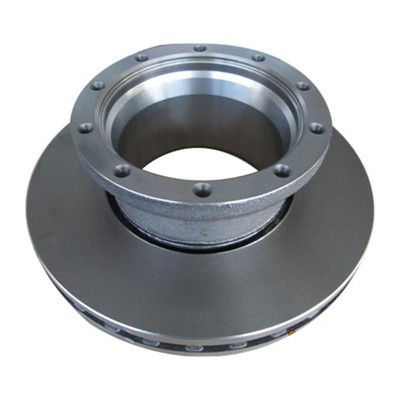
Dirty brake discs can significantly affect the braking performance of your Chevy vehicle. As a trusted Chevy Brake Discs supplier, I've witnessed firsthand the impact of dirty brake discs on the overall safety and functionality of Chevy cars. In this blog, I'll delve into the science behind how dirty brake discs can influence your Chevy's braking, and I'll also provide insights on how to address and prevent such issues.
Understanding the Role of Brake Discs in Your Chevy
Brake discs, also known as rotors, are a crucial component of your Chevy's braking system. When you press the brake pedal, the brake calipers squeeze the brake pads against the brake discs. This friction between the pads and the discs slows down the rotation of the wheels, ultimately bringing your vehicle to a stop. The efficiency of this process depends on several factors, including the condition of the brake discs.
How Dirty Brake Discs Can Affect Braking
Reduced Friction
One of the primary ways dirty brake discs can affect your Chevy's braking is by reducing the friction between the brake pads and the discs. Dirt, grime, and debris can accumulate on the surface of the brake discs over time. This layer of contaminants acts as a barrier, preventing the brake pads from making direct and consistent contact with the discs. As a result, the friction coefficient decreases, and your Chevy may require more force on the brake pedal to achieve the same level of braking performance.
Uneven Braking
Dirty brake discs can also lead to uneven braking. If the dirt and debris are not distributed evenly across the surface of the discs, the braking force may vary from one side of the wheel to the other. This can cause your Chevy to pull to one side when you apply the brakes, which is not only inconvenient but also dangerous, especially at high speeds or in emergency situations.
Overheating
Another consequence of dirty brake discs is overheating. When the brake pads cannot make proper contact with the discs due to dirt, the braking system has to work harder to slow down the vehicle. This increased workload generates more heat, which can cause the brake discs to warp or crack. Overheated brake discs can further degrade the braking performance and may even lead to complete brake failure if left untreated.
Noise and Vibration
Dirty brake discs can also produce noise and vibration when you apply the brakes. The uneven contact between the pads and the discs can cause a rattling, squealing, or grinding sound. This noise is not only annoying but also indicates that there is a problem with the braking system. Additionally, the vibration can be felt through the steering wheel or the brake pedal, which can make driving uncomfortable and reduce your confidence in the vehicle's braking ability.
Causes of Dirty Brake Discs
There are several factors that can contribute to the accumulation of dirt and debris on your Chevy's brake discs. Some of the common causes include:
- Driving Conditions: If you frequently drive in dusty or muddy environments, your brake discs are more likely to get dirty. Road salt and chemicals used for de-icing during the winter can also corrode the brake discs and attract dirt.
- Lack of Maintenance: Failure to clean your brake discs regularly can allow dirt and debris to build up over time. Additionally, neglecting to replace worn brake pads can cause the pads to wear unevenly and generate more dust, which can further contaminate the brake discs.
- Poor Quality Brake Pads: Low-quality brake pads may produce more dust than high-quality ones. This dust can accumulate on the brake discs and reduce their performance.
How to Clean and Maintain Your Chevy's Brake Discs
To ensure optimal braking performance and prevent the issues associated with dirty brake discs, it's important to clean and maintain your Chevy's brake discs regularly. Here are some tips on how to do it:
- Inspect the Brake Discs: Regularly check the condition of your brake discs for signs of dirt, wear, or damage. Look for any visible cracks, grooves, or uneven surfaces. If you notice any issues, have your brake discs inspected by a professional mechanic.
- Clean the Brake Discs: Use a brake cleaner specifically designed for cleaning brake discs. Spray the cleaner on the discs and use a clean cloth or a brush to remove the dirt and debris. Make sure to clean both the inside and outside surfaces of the discs.
- Replace Worn Brake Pads: Worn brake pads can generate more dust and cause uneven wear on the brake discs. Replace your brake pads as recommended by your vehicle's manufacturer to ensure optimal braking performance.
- Drive Responsibly: Avoid hard braking and sudden stops, as these can generate more heat and wear on the brake discs. Instead, drive smoothly and anticipate stops to reduce the stress on the braking system.
When to Replace Your Chevy's Brake Discs
Even with regular cleaning and maintenance, your Chevy's brake discs will eventually wear out and need to be replaced. Some of the signs that indicate it's time to replace your brake discs include:


- Excessive Wear: If the brake discs are worn beyond the manufacturer's recommended thickness, they should be replaced. Worn brake discs may not provide sufficient braking force and can be dangerous to drive with.
- Cracks or Warping: Cracks or warping in the brake discs can cause uneven braking and vibration. If you notice any cracks or warping, have your brake discs replaced immediately.
- Noise and Vibration: Persistent noise and vibration when you apply the brakes can indicate that the brake discs are worn or damaged. If the noise and vibration do not go away after cleaning the brake discs, have them inspected by a professional mechanic.
Our Chevy Brake Discs Solutions
As a leading Chevy Brake Discs supplier, we offer a wide range of high-quality brake discs for all Chevy models. Our brake discs are made from premium materials and are designed to provide optimal braking performance and durability. We also offer Modified Brake Disc for those who want to upgrade their Chevy's braking system. In addition to Chevy brake discs, we also supply Mercedes-Benz Brake Disc and other car brake discs to meet the diverse needs of our customers.
Conclusion
Dirty brake discs can have a significant impact on your Chevy's braking performance, safety, and comfort. By understanding the causes and effects of dirty brake discs and taking the necessary steps to clean and maintain them, you can ensure that your Chevy's braking system operates at its best. If you have any questions or need assistance with your Chevy's brake discs, please don't hesitate to contact us. We're here to help you keep your Chevy safe on the road. Whether you're a car enthusiast looking for Modified Brake Disc or a Chevy owner in need of reliable Chevy Brake Discs, we have the products and expertise to meet your needs. Contact us today to discuss your requirements and start a purchase negotiation.
References
- Bosch Automotive Handbook.
- Chilton's Repair Manuals.
- Haynes Repair Manuals.