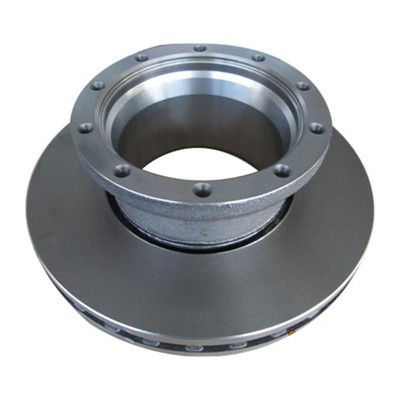
Driving with worn rear brake shoes is a topic that demands careful consideration, especially when you're a responsible vehicle owner. As a supplier of Rear Brake Shoes, I've seen firsthand the consequences of neglecting brake maintenance. In this blog, I'll explore the implications of driving with worn rear brake shoes, the signs to look out for, and why timely replacement is crucial.
The Function of Rear Brake Shoes
Rear brake shoes play a vital role in your vehicle's braking system. They work in conjunction with the front brakes to slow down and stop your car safely. When you press the brake pedal, hydraulic pressure is applied to the brake calipers or wheel cylinders, which in turn forces the brake shoes against the brake drum. This friction between the brake shoes and the drum creates the stopping power needed to bring your vehicle to a halt.
The rear brakes typically handle around 20 - 30% of the total braking force, depending on the vehicle's design and weight distribution. While the front brakes usually bear the brunt of the braking load, the rear brakes are still essential for balanced and effective braking. They help to prevent the rear wheels from locking up, which can lead to skidding and loss of control, especially during emergency stops or on slippery roads.
Dangers of Driving with Worn Rear Brake Shoes
- Reduced Braking Performance: Worn rear brake shoes have less friction material, which means they can't generate as much stopping power as new ones. This can significantly increase your stopping distance, especially at higher speeds or when you need to make an emergency stop. A longer stopping distance can put you and other road users at risk of accidents.
- Uneven Braking: When the rear brake shoes are worn, the braking force may be unevenly distributed between the front and rear wheels. This can cause the vehicle to pull to one side when braking, making it difficult to steer and control. Uneven braking can also lead to premature wear of other brake components, such as the front brake pads and rotors.
- Brake Fade: Worn brake shoes can overheat more easily, leading to brake fade. Brake fade occurs when the brake system loses its effectiveness due to excessive heat. This can happen during prolonged or heavy braking, such as when driving down a steep hill. When brake fade occurs, you may notice that the brake pedal feels spongy or that it takes more pressure to stop the vehicle.
- Increased Risk of Wheel Lockup: As the rear brake shoes wear down, there is a greater risk of the rear wheels locking up during braking. When a wheel locks up, it loses traction with the road surface, causing the vehicle to skid. Skidding can be extremely dangerous, especially on wet or icy roads, as it can lead to a loss of control and potentially a serious accident.
Signs of Worn Rear Brake Shoes
- Squealing or Screeching Noise: One of the most common signs of worn brake shoes is a high - pitched squealing or screeching noise when you apply the brakes. This noise is usually caused by a wear indicator on the brake shoes, which is designed to make noise when the friction material is getting low.
- Grinding Noise: If you hear a grinding noise when braking, it's a sign that the brake shoes have worn down completely and the metal backing is now rubbing against the brake drum. This can cause significant damage to the brake drum and other brake components, and it should be addressed immediately.
- Soft or Spongy Brake Pedal: A soft or spongy brake pedal can indicate a problem with the brake system, including worn rear brake shoes. When the brake shoes are worn, there may be more play in the brake pedal, and it may feel like it goes all the way to the floor before the vehicle starts to slow down.
- Vibration or Pulsation: If you feel a vibration or pulsation in the brake pedal when you apply the brakes, it could be a sign of worn or unevenly worn rear brake shoes. This vibration can also be felt in the steering wheel, and it may indicate that the brake drum is warped or damaged.
When to Replace Rear Brake Shoes
The lifespan of rear brake shoes can vary depending on several factors, including your driving habits, the type of vehicle you drive, and the quality of the brake shoes. On average, rear brake shoes may need to be replaced every 30,000 - 70,000 miles. However, it's important to have your brakes inspected regularly by a qualified mechanic to determine the actual condition of your brake shoes.
If you notice any of the signs of worn rear brake shoes mentioned above, it's crucial to have your brakes checked as soon as possible. Ignoring these signs can lead to more serious problems and potentially put your safety at risk.
Our Rear Brake Shoes
As a supplier of Rear Brake Shoes, we offer a wide range of high - quality products to meet the needs of different vehicles. Our rear brake shoes are made from premium materials that provide excellent friction and durability. They are designed to fit perfectly in your vehicle's braking system, ensuring optimal performance and safety.
We also offer BMW Rear Brake Shoes for BMW owners. These brake shoes are specifically engineered to meet the high standards of BMW vehicles, providing the same level of performance and reliability as the original equipment.
In addition to rear brake shoes, we also supply Handbrake Pad. Handbrake pads are an important part of your vehicle's parking brake system, and they need to be in good condition to ensure that your vehicle stays parked safely.
Conclusion
In conclusion, driving with worn rear brake shoes is not only dangerous but can also lead to costly repairs in the long run. It's essential to pay attention to the signs of worn brake shoes and have them replaced in a timely manner. As a rear brake shoes supplier, we are committed to providing high - quality products and excellent customer service.
If you're in the market for rear brake shoes or other brake components, we encourage you to contact us for a consultation. Our team of experts can help you find the right products for your vehicle and provide you with all the information you need to make an informed decision. Don't compromise on your safety – choose our reliable rear brake shoes for your vehicle.


References
- "Automotive Brake Systems" by John H. Heitner
- "Brake Handbook" by Ray Bohacz