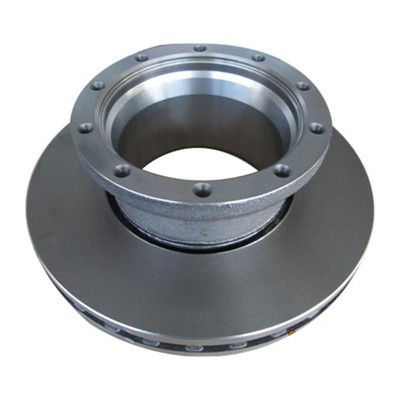
Hey there, car enthusiasts! As a Ford brake discs supplier, I often get asked by DIY mechanics and car owners, "Can I install Ford brake discs myself?" Well, let's dig right into this question and find out if you're up for the challenge.
Understanding the Basics of Brake Discs
First things first, let's talk about what brake discs are and why they're so important. Brake discs, also known as rotors, are a key part of your car's braking system. When you press the brake pedal, the brake pads clamp down on the brake discs, creating friction that slows down and stops your vehicle. So, it's pretty obvious that having properly functioning brake discs is crucial for your safety on the road.
Ford brake discs are designed specifically for Ford vehicles, ensuring a perfect fit and optimal performance. They're made from high - quality materials to withstand the heat and pressure generated during braking. But just having the right brake discs isn't enough; you also need to install them correctly.


Tools You'll Need
If you're thinking about installing Ford brake discs yourself, you'll need to gather a few essential tools. Here's a quick list:
- Socket and wrench set: You'll need these to remove and install the bolts that hold the brake caliper and other components in place.
- C - clamp: This is used to compress the brake caliper piston when you're putting the caliper back on.
- Torque wrench: It's important to tighten the bolts to the correct torque specification to avoid any issues down the road.
- Brake cleaner: This helps to clean the brake components and remove any dirt or debris.
Step - by - Step Installation Process
Now, let's walk through the installation process. Keep in mind that this is a general guide, and the exact steps may vary depending on your specific Ford model.
Step 1: Prepare Your Vehicle
Park your car on a flat, stable surface and engage the parking brake. Loosen the lug nuts on the wheel where you'll be working, but don't remove them just yet. Then, use a jack to lift the vehicle and place jack stands under it for safety. Once the vehicle is secure, remove the lug nuts and take off the wheel.
Step 2: Remove the Brake Caliper
Locate the brake caliper, which is usually held in place by two bolts. Use your socket and wrench set to remove these bolts. Once the bolts are out, carefully lift the caliper off the brake disc. Be careful not to let the caliper hang by the brake hose, as this can damage the hose. You can use a piece of wire to suspend the caliper from the vehicle's frame.
Step 3: Remove the Old Brake Disc
After removing the caliper, you should be able to see the old brake disc. In some cases, the disc may be held in place by a small retaining screw. Remove this screw if necessary, and then slide the old disc off the hub.
Step 4: Inspect the Components
While you have the brake components exposed, take a moment to inspect them. Check the brake pads for wear and the caliper for any signs of damage or leakage. If you notice any issues, it's a good idea to replace the faulty parts at the same time.
Step 5: Install the New Brake Disc
Clean the hub surface thoroughly with brake cleaner to ensure a good fit. Then, slide the new Ford brake disc onto the hub. Make sure it sits flush and is centered correctly.
Step 6: Reinstall the Brake Caliper
Before putting the caliper back on, use a C - clamp to compress the caliper piston. This will make it easier to fit the caliper over the new brake disc. Once the piston is compressed, carefully place the caliper back over the disc and reinstall the bolts. Tighten the bolts to the manufacturer's specified torque using a torque wrench.
Step 7: Reinstall the Wheel
Put the wheel back on the hub and hand - tighten the lug nuts. Lower the vehicle off the jack stands using the jack, and then use a torque wrench to tighten the lug nuts to the correct torque.
Potential Challenges
Installing Ford brake discs yourself isn't without its challenges. One of the biggest issues you might face is getting the torque settings right. If the bolts are too loose, the brake components could come loose while you're driving, which is extremely dangerous. On the other hand, if the bolts are too tight, you could damage the components.
Another challenge is dealing with rust and corrosion. Over time, the brake components can become rusty, making them difficult to remove. You may need to use some penetrating oil and a little elbow grease to get the bolts loose.
When to Seek Professional Help
If you're not confident in your mechanical skills or if you encounter any problems during the installation process, it's best to seek professional help. A qualified mechanic has the experience and tools to install the brake discs correctly and can also diagnose and fix any other issues with your braking system.
Other Brake Disc Options
As a brake disc supplier, I also offer a wide range of brake discs for other car brands. If you own a Toyota, you might be interested in Toyota Brake Disc. For Chevy owners, Chevy Brake Discs are a great option. And if you drive a Volvo, check out Volvo Brake Discs.
Conclusion
So, can you install Ford brake discs yourself? The answer is yes, but it requires some mechanical knowledge, the right tools, and a lot of patience. If you're up for the challenge, following the steps outlined above can save you some money on labor costs. However, if you're unsure or if you run into any problems, it's always better to have a professional handle the installation.
If you're in the market for high - quality Ford brake discs or brake discs for other car brands, feel free to reach out to me. I'm here to help you find the right products for your vehicle and answer any questions you might have. Whether you're a DIY mechanic or a professional, I can provide you with the best brake disc solutions.
References
- "How to Replace Brake Rotors and Pads" by AutoZone
- "Brake System Basics" by Car and Driver Magazine