Hey there, fellow car enthusiasts! As a supplier of top - notch car brake shoes, I've seen it all when it comes to brake issues. One question that keeps popping up in my inbox is, "Can improper bedding in damage car brake shoes?" Well, let's dive right into this topic and find out.
First off, what exactly is bedding in? Bedding in, also known as break - in, is a crucial process for new brake shoes. When you install a fresh set of brake shoes, they need to be properly "broken in" to ensure optimal performance and longevity. During this process, a transfer layer of friction material is built up between the brake shoes and the brake drums or rotors. This transfer layer is essential for consistent braking power and smooth operation.

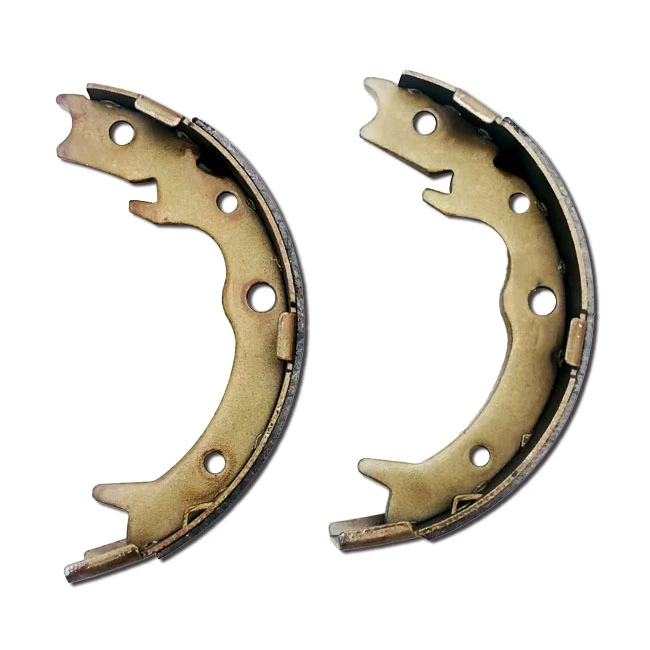
Now, let's talk about what can happen if you don't bed in your brake shoes correctly. Improper bedding in can lead to a whole host of problems, and yes, it can definitely damage your brake shoes. One of the most common issues is uneven wear. When you don't follow the proper bedding - in procedure, the friction material on the brake shoes may not wear evenly. This can result in hot spots on the brake shoes and rotors. Hot spots are areas of excessive heat, which can cause the brake shoes to glaze over. Glazed brake shoes have a shiny, smooth surface that reduces friction, leading to decreased braking performance.
Another problem caused by improper bedding in is reduced braking efficiency. If the transfer layer isn't formed correctly, the brake shoes won't be able to grip the rotors or drums as effectively. This means you'll have to press the brake pedal harder to achieve the same level of braking, which can be dangerous, especially in emergency situations.
Let's take a closer look at the proper bedding - in process. The general rule of thumb is to start with a series of gentle stops. Begin by driving at a moderate speed, say around 30 - 40 mph. Then, gradually apply the brakes to slow down to about 10 mph. Repeat this process about 10 - 15 times. After that, you can do a few more stops from a slightly higher speed, around 50 - 60 mph, but make sure to let the brakes cool down between each stop. It's important to avoid hard braking during the bedding - in process, as this can cause the problems we mentioned earlier.
As a car brake shoes supplier, I've seen many customers come to me with brake issues that could have been avoided with proper bedding in. For example, I had a customer who installed a new set of Rear Brake Shoes but didn't follow the bedding - in instructions. After just a few days of driving, he noticed that his brakes were making a strange noise and weren't stopping as well as they should. When I inspected the brake shoes, I found that they were already showing signs of uneven wear and glazing.
Similarly, another customer had problems with his Handbrake Pad. He installed it himself and didn't take the time to bed it in properly. As a result, the handbrake wasn't holding the car securely, and he had to keep adjusting it. In the end, he had to replace the handbrake pad earlier than expected because of the damage caused by improper bedding in.
Even for high - end cars like BMWs, improper bedding in can be a real headache. A customer who installed BMW Rear Brake Shoes without following the correct procedure came to me complaining about a pulsating brake pedal. This pulsation was due to uneven wear on the brake shoes and rotors, which was a direct result of improper bedding in.
So, how can you tell if your brake shoes have been damaged by improper bedding in? There are a few signs to look out for. If you notice a decrease in braking performance, such as longer stopping distances or a spongy brake pedal, it could be a sign of damaged brake shoes. Strange noises, like squealing or grinding, are also a red flag. Additionally, if you see uneven wear on the brake shoes or a shiny, glazed surface, it's likely that improper bedding in is to blame.
To prevent damage to your brake shoes, always follow the manufacturer's bedding - in instructions. These instructions are designed to ensure that your brake shoes are broken in correctly and will provide optimal performance for a long time. If you're not sure how to bed in your brake shoes, don't hesitate to reach out to a professional mechanic or contact us as your brake shoes supplier.
In conclusion, improper bedding in can definitely damage car brake shoes. It can lead to uneven wear, reduced braking efficiency, and a host of other problems that can compromise your safety on the road. As a car brake shoes supplier, I can't stress enough the importance of following the proper bedding - in procedure.
If you're in the market for high - quality brake shoes, whether it's rear brake shoes, handbrake pads, or BMW rear brake shoes, we've got you covered. We offer a wide range of brake shoes that are designed to meet the highest standards of quality and performance. If you have any questions about our products or need advice on bedding in your brake shoes, feel free to get in touch with us. We're always here to help you keep your car's braking system in top shape.
Let's work together to ensure your car's brakes are safe and reliable. Contact us today to start a conversation about your brake shoe needs, and let's get you the best products for your vehicle.
References
- Brake System Basics: A Guide for Car Owners, Auto Repair Manual Publications
- The Importance of Brake Bedding In, Automotive Engineering Journal