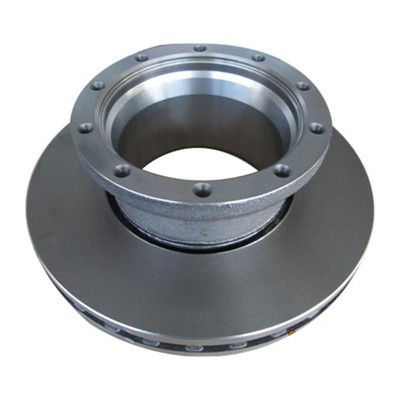
Can overheating damage car brake discs?
As a seasoned car brake disc supplier, I've witnessed firsthand the critical role that brake discs play in vehicle safety. One question that frequently arises among car owners and enthusiasts is whether overheating can damage car brake discs. In this blog post, I'll delve into this topic, exploring the causes of brake disc overheating, the potential damage it can cause, and how to prevent it.
Understanding the Causes of Brake Disc Overheating
Brake discs are designed to withstand high temperatures generated during the braking process. However, excessive heat can occur under certain conditions, leading to potential damage. Here are some common causes of brake disc overheating:
- Aggressive Driving: Frequent hard braking, rapid acceleration, and high - speed driving can put excessive stress on the brake system. When you brake hard, the brake pads clamp down on the brake discs, converting the kinetic energy of the vehicle into heat. If this process is repeated frequently, the heat can build up to dangerous levels.
- Heavy Loads: Carrying heavy loads, such as towing a trailer or having a full passenger and cargo load, increases the amount of work the brakes need to do. The additional weight requires more force to stop the vehicle, which in turn generates more heat in the brake discs.
- Mountain Driving: Driving on steep mountain roads with long downhill sections can be particularly challenging for the brakes. Continuous braking to control the vehicle's speed on these slopes can cause the brake discs to overheat.
- Brake System Malfunctions: Issues such as sticking brake calipers, worn brake pads, or improper brake fluid levels can also contribute to overheating. A sticking caliper may not release the brake pad properly, causing it to rub against the brake disc continuously and generate excessive heat.
The Damaging Effects of Overheating on Brake Discs
When brake discs overheat, several types of damage can occur:
- Warping: One of the most common problems is warping. Excessive heat can cause the brake discs to expand unevenly. As the discs cool down, they may not return to their original shape, resulting in a warped surface. A warped brake disc can cause vibrations when braking, which can be felt through the steering wheel or brake pedal. This not only affects the driving experience but also reduces the braking efficiency.
- Cracking: Extreme heat can also lead to cracking in the brake discs. The thermal stress caused by rapid heating and cooling can create small cracks on the surface of the disc. Over time, these cracks can grow and eventually cause the disc to fail completely. A cracked brake disc is extremely dangerous as it can lead to a loss of braking power.
- Glazing: Overheating can cause the brake pads to glaze. Glazing occurs when the friction material on the brake pads becomes smooth and shiny due to excessive heat. Glazed brake pads have reduced friction, which means they are less effective at stopping the vehicle. This can increase the stopping distance and compromise safety.
- Reduced Friction Material Bonding: The heat can also affect the bonding between the friction material on the brake pads and the backing plate. If the bonding is weakened, the friction material may start to separate from the backing plate, further reducing the braking performance.
How to Prevent Brake Disc Overheating
Preventing brake disc overheating is crucial for maintaining the safety and performance of your vehicle. Here are some tips:
- Drive Responsibly: Avoid aggressive driving habits such as hard braking and rapid acceleration. Anticipate traffic conditions and brake gently whenever possible. This will reduce the amount of heat generated in the brake system.
- Manage Heavy Loads: If you need to carry heavy loads or tow a trailer, make sure your vehicle is properly equipped for the task. Consider using a vehicle with a larger braking system or a trailer with its own brakes. Also, give yourself extra time and distance to stop when carrying a heavy load.
- Use Engine Braking on Mountains: When driving on mountain roads, use engine braking to help control your speed. Downshifting to a lower gear can slow down the vehicle without relying solely on the brakes. This reduces the heat load on the brake discs.
- Regular Maintenance: Have your brake system inspected regularly by a qualified mechanic. Check the brake pads for wear, ensure the brake calipers are functioning properly, and maintain the correct brake fluid level. Replace worn brake pads promptly to prevent overheating caused by excessive friction.
Our High - Quality Brake Discs
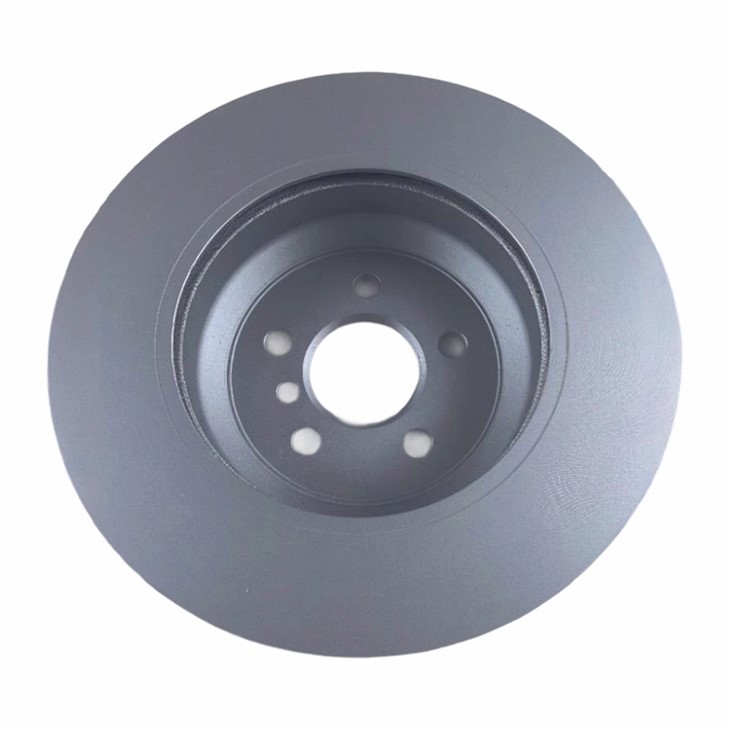
At our company, we understand the importance of providing high - quality brake discs that can withstand the rigors of daily driving. We offer a wide range of brake discs for various makes and models of vehicles, including Mercedes Brake Disc, AUDI Brake Disc, and Ford Brake Discs.
Our brake discs are made from high - grade materials and are designed to dissipate heat effectively. They undergo strict quality control measures to ensure they meet or exceed industry standards. Whether you are a car enthusiast looking for performance - oriented brake discs or a regular driver in need of reliable replacement parts, we have the right solution for you.

Contact Us for Your Brake Disc Needs
If you are interested in purchasing high - quality brake discs for your vehicle, we invite you to contact us for a detailed discussion. Our team of experts is ready to assist you in finding the perfect brake discs that suit your specific requirements. We can provide you with product information, pricing details, and any other support you may need. Don't compromise on the safety and performance of your vehicle's braking system. Reach out to us today and let us help you keep your brakes in top condition.
References
- "Automotive Brake Systems" by John C. Dixon
- SAE International Journal of Passenger Cars - Mechanical Systems
- Various technical bulletins from leading brake component manufacturers