Can rear brake shoes be resurfaced?
As a trusted supplier of Rear Brake Shoes, I've encountered numerous inquiries from customers regarding the resurfacing of rear brake shoes. This topic is of significant importance as it directly impacts vehicle safety, maintenance costs, and overall performance. In this blog post, I'll delve into the feasibility of resurfacing rear brake shoes, exploring the factors involved, the pros and cons, and when it's a viable option.
Understanding Rear Brake Shoes
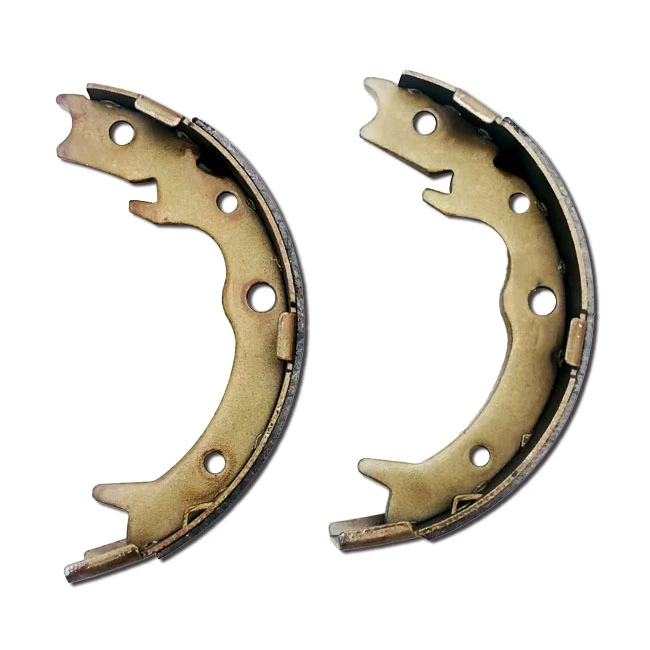
Before discussing resurfacing, it's essential to understand what rear brake shoes are and how they function. Rear brake shoes are a crucial component of a vehicle's braking system, specifically in drum brake systems. When the brake pedal is pressed, hydraulic pressure forces the brake shoes against the inner surface of the brake drum, creating friction that slows down or stops the vehicle.
Over time, the friction material on the brake shoes wears down due to the constant contact with the drum. This wear can lead to reduced braking performance, increased stopping distances, and potential safety hazards. When the brake shoes reach a certain level of wear, they typically need to be replaced or, in some cases, resurfaced.
Factors Affecting the Resurfacing of Rear Brake Shoes
Several factors determine whether rear brake shoes can be resurfaced effectively. These include:
- Amount of Wear: The most critical factor is the amount of wear on the brake shoes. If the friction material has worn down to a minimum thickness, resurfacing may not be possible or advisable. As a general rule, if the friction material is less than 1/8 inch thick, it's usually recommended to replace the brake shoes rather than resurface them.
- Condition of the Brake Drum: The condition of the brake drum also plays a crucial role. If the drum has significant grooves, scoring, or other damage, resurfacing the brake shoes alone may not solve the problem. In some cases, the drum may also need to be resurfaced or replaced to ensure proper braking performance.
- Type of Friction Material: Different types of friction materials have different wear characteristics and resurfacing requirements. Some materials are more prone to cracking or glazing during the resurfacing process, which can affect their performance. It's important to consult the manufacturer's recommendations or a professional mechanic to determine if the friction material on your brake shoes is suitable for resurfacing.
- Vehicle Usage: The way a vehicle is used can also impact the resurfacing of rear brake shoes. Vehicles that are frequently driven in stop-and-go traffic or used for heavy towing may experience more rapid wear on the brake shoes, making resurfacing less effective or necessary.
Pros and Cons of Resurfacing Rear Brake Shoes
Resurfacing rear brake shoes has both advantages and disadvantages, which should be carefully considered before making a decision.

Pros:
- Cost Savings: Resurfacing brake shoes is generally less expensive than replacing them entirely. This can be a significant cost-saving measure, especially for older vehicles or those with a limited budget.
- Environmental Benefits: By resurfacing brake shoes instead of replacing them, you can reduce waste and contribute to a more sustainable environment.
- Maintaining Original Equipment: Resurfacing allows you to keep the original brake shoes on your vehicle, which can be beneficial for maintaining the vehicle's original performance and compatibility.
Cons:
- Limited Lifespan: Resurfaced brake shoes typically have a shorter lifespan than new ones. The resurfacing process removes a small amount of the friction material, which reduces its overall thickness and may lead to more rapid wear in the future.
- Potential Performance Issues: If the brake shoes are not resurfaced correctly or if the drum is in poor condition, resurfacing may not improve the braking performance. In some cases, it may even lead to further problems, such as increased noise, vibration, or reduced stopping power.
- Safety Concerns: Using resurfaced brake shoes that are not in optimal condition can pose a safety risk. If the friction material is too thin or if there are other issues with the brake shoes, it may not be able to provide adequate stopping power, especially in emergency situations.
When Resurfacing is a Viable Option
Resurfacing rear brake shoes can be a viable option in certain situations, such as:
- Minor Wear: If the brake shoes have only minor wear and the friction material is still above the minimum thickness, resurfacing may be a cost-effective solution to restore their performance.
- Limited Budget: For vehicle owners on a tight budget, resurfacing can be a more affordable alternative to replacing the brake shoes. However, it's important to weigh the cost savings against the potential risks and limitations.
- Original Equipment Preference: Some vehicle owners prefer to keep the original brake shoes on their vehicle for sentimental or performance reasons. In these cases, resurfacing can be a way to extend the life of the original equipment.
When to Replace Rear Brake Shoes
In most cases, it's recommended to replace rear brake shoes rather than resurface them, especially if:
- Excessive Wear: If the friction material on the brake shoes has worn down to the minimum thickness or if there are visible signs of damage, such as cracks or glazing, replacement is the safest and most effective option.
- Poor Drum Condition: If the brake drum has significant grooves, scoring, or other damage, resurfacing the brake shoes alone may not solve the problem. In these cases, both the brake shoes and the drum may need to be replaced to ensure proper braking performance.
- Safety Concerns: If you have any doubts about the safety or performance of your brake shoes, it's always best to err on the side of caution and replace them. Brakes are a critical safety component of your vehicle, and it's not worth taking any risks.
Our Rear Brake Shoes Offerings
As a Rear Brake Shoes supplier, we offer a wide range of high-quality brake shoes for various makes and models of vehicles. Our Rear Brake Shoes are made from premium friction materials that provide excellent stopping power, durability, and reliability. We also offer BMW Rear Brake Shoes specifically designed for BMW vehicles, ensuring a perfect fit and optimal performance.
In addition to rear brake shoes, we also supply Handbrake Pad for added safety and convenience. Our handbrake pads are made from high-quality materials that provide reliable holding power and long-lasting performance.
Conclusion
In conclusion, the question of whether rear brake shoes can be resurfaced depends on several factors, including the amount of wear, the condition of the brake drum, the type of friction material, and the vehicle's usage. While resurfacing can be a cost-effective solution in some cases, it's important to carefully consider the pros and cons and consult a professional mechanic before making a decision.
If you're in need of high-quality rear brake shoes or handbrake pads, we invite you to contact us for more information and to discuss your specific requirements. Our team of experts is dedicated to providing you with the best products and services to ensure your vehicle's safety and performance.
References
- "Brake Shoe Resurfacing: When to Do It and When to Replace," AutoZone.
- "How to Tell If Your Brake Shoes Need to Be Replaced," YourMechanic.
- "The Importance of Brake Maintenance," Car and Driver.