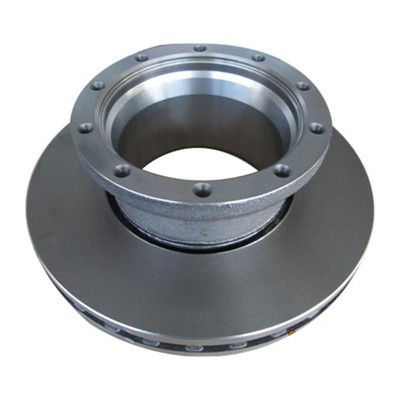
Can rust form on car brake shoes? This is a question that often comes up among car owners and automotive enthusiasts. As a car brake shoes supplier, I've encountered this query numerous times, and I'm here to provide a comprehensive answer.
The Nature of Car Brake Shoes
Car brake shoes are an essential component of a vehicle's braking system. They work in conjunction with the brake drums to slow down or stop the rotation of the wheels. Brake shoes are typically made from a variety of materials, including steel, cast iron, and composite materials. The choice of material depends on factors such as the vehicle's make and model, the intended use of the vehicle, and the desired performance characteristics.
Steel and cast iron are commonly used in brake shoes due to their durability and heat resistance. However, these metals are also prone to rusting when exposed to moisture and oxygen. Composite materials, on the other hand, are often more resistant to rust but may have different performance characteristics compared to metal brake shoes.
Conditions Leading to Rust Formation
Rust is a form of corrosion that occurs when iron or steel reacts with oxygen and water. In the context of car brake shoes, there are several conditions that can promote rust formation:
- Exposure to Moisture: One of the primary causes of rust on brake shoes is exposure to moisture. This can happen when a vehicle is driven in wet conditions, such as rain, snow, or fog. Additionally, if a car is parked in a damp environment, such as a basement or near a body of water, the brake shoes may be exposed to moisture for extended periods.
- Lack of Use: When a vehicle is not used for an extended period, the brake shoes may not be subjected to the normal wear and tear that helps to remove surface rust. As a result, rust can accumulate on the brake shoes over time.
- Salt and Chemicals: In areas where salt is used on roads during the winter to melt ice and snow, the brake shoes may be exposed to saltwater spray. Salt is a corrosive substance that can accelerate the rusting process. Similarly, exposure to other chemicals, such as automotive fluids or industrial pollutants, can also contribute to rust formation.
Effects of Rust on Brake Shoes
Rust on brake shoes can have several negative effects on the performance and safety of a vehicle's braking system:
- Reduced Friction: Rust can create a rough surface on the brake shoes, which can reduce the friction between the brake shoes and the brake drums. This can result in longer stopping distances and decreased braking performance.
- Uneven Wear: Rust can cause uneven wear on the brake shoes, which can lead to a variety of problems, including brake noise, vibration, and reduced braking efficiency.
- Brake Failure: In severe cases, rust can cause the brake shoes to become brittle and break, which can lead to complete brake failure. This is a serious safety hazard that can put the driver and passengers at risk.
Preventing Rust on Brake Shoes
Fortunately, there are several steps that car owners can take to prevent rust from forming on their brake shoes:
- Regular Use: One of the simplest ways to prevent rust on brake shoes is to use the vehicle regularly. This helps to keep the brake shoes clean and dry and prevents rust from accumulating.
- Keep the Vehicle Dry: Whenever possible, park the vehicle in a dry, covered area to protect the brake shoes from moisture. If the vehicle is driven in wet conditions, make sure to dry the brake shoes thoroughly after driving.
- Clean the Brake System: Regularly cleaning the brake system can help to remove dirt, debris, and rust from the brake shoes. This can be done using a brake cleaner and a soft brush.
- Apply a Rust Inhibitor: Applying a rust inhibitor to the brake shoes can help to protect them from rust. There are several types of rust inhibitors available on the market, including sprays, paints, and coatings.
Our Brake Shoes and Rust Resistance
As a car brake shoes supplier, we understand the importance of rust resistance in brake shoes. That's why we offer a wide range of brake shoes that are designed to resist rust and corrosion. Our brake shoes are made from high-quality materials and are treated with advanced rust inhibitors to ensure long-lasting performance.
We offer a variety of brake shoes for different makes and models of vehicles, including Handbrake Pad, Rear Brake Shoes, and BMW Rear Brake Shoes. Our brake shoes are rigorously tested to meet or exceed industry standards for performance and safety.
Contact Us for Your Brake Shoe Needs
If you're in the market for high-quality, rust-resistant brake shoes, look no further. We're a leading car brake shoes supplier with a reputation for providing excellent products and customer service. Whether you're a car owner looking to replace your brake shoes or a mechanic in need of reliable brake components, we have the products and expertise to meet your needs.
Contact us today to learn more about our brake shoes and to discuss your specific requirements. We're here to help you find the right brake shoes for your vehicle and to ensure that your braking system is in top condition.


References
- Automotive Brake Systems: Principles and Diagnosis, by James D. Halderman
- The Complete Idiot's Guide to Car Maintenance and Repair, by Dennis Parks