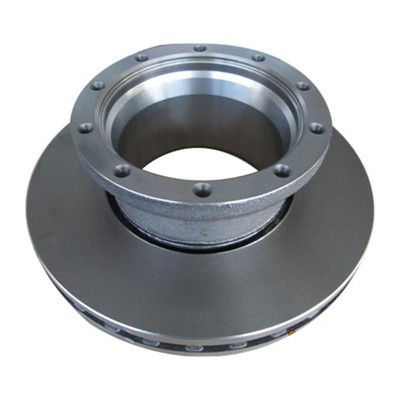
As a dedicated supplier of Rear Brake Shoes, I've witnessed firsthand the critical role these components play in a vehicle's braking system. The question of whether worn rear brake shoes can damage other parts of the braking system is not only relevant but also crucial for vehicle owners and enthusiasts alike. In this blog post, I'll delve into the intricacies of the braking system, explore the effects of worn rear brake shoes, and discuss potential damage to other components.
Understanding the Braking System
Before we dive into the impact of worn rear brake shoes, let's take a moment to understand how the braking system works. The braking system is a complex network of components designed to slow down or stop a vehicle safely. It consists of the brake pedal, master cylinder, brake lines, calipers, rotors, and brake shoes. When the driver presses the brake pedal, the master cylinder sends hydraulic pressure through the brake lines to the calipers or wheel cylinders. This pressure causes the calipers to squeeze the rotors or the wheel cylinders to push the brake shoes against the drums, creating friction and slowing down the vehicle.
The rear brake shoes are an essential part of the braking system, particularly in vehicles with drum brakes. They are located inside the brake drums and are responsible for providing a significant portion of the braking force. Over time, the brake shoes wear down due to friction, and it's essential to replace them regularly to ensure optimal braking performance.
Effects of Worn Rear Brake Shoes
When rear brake shoes become worn, several issues can arise, affecting the overall performance of the braking system. Here are some of the most common effects of worn rear brake shoes:
Reduced Braking Performance
One of the most noticeable effects of worn rear brake shoes is reduced braking performance. As the brake shoes wear down, the amount of friction between the shoes and the drums decreases, resulting in longer stopping distances. This can be particularly dangerous in emergency situations, where every inch counts.
Uneven Braking
Worn rear brake shoes can also cause uneven braking, where one side of the vehicle brakes more effectively than the other. This can lead to pulling to one side when braking, making it difficult to control the vehicle. Uneven braking can also cause premature wear on other braking components, such as the rotors and calipers.
Noise and Vibration
Another common symptom of worn rear brake shoes is noise and vibration. As the brake shoes wear down, they may start to make a squealing or grinding noise when the brakes are applied. This noise is often caused by the metal backing of the brake shoes rubbing against the drums. Additionally, worn brake shoes can cause vibration in the brake pedal or steering wheel, indicating a problem with the braking system.
Overheating
Worn rear brake shoes can also cause the brakes to overheat. When the brake shoes are worn, they have to work harder to provide the same amount of braking force, generating more heat in the process. Overheating can cause the brake fluid to boil, leading to a loss of braking power. It can also damage other braking components, such as the brake lines and calipers.
Potential Damage to Other Parts of the Braking System
In addition to the effects mentioned above, worn rear brake shoes can also cause damage to other parts of the braking system. Here are some of the components that may be affected:
Brake Drums
The brake drums are the round metal components that the brake shoes press against to create friction. When rear brake shoes become worn, they can cause excessive wear on the brake drums. The metal backing of the brake shoes can score or groove the surface of the drums, reducing their effectiveness and increasing the risk of failure. In severe cases, the brake drums may need to be resurfaced or replaced.
Wheel Cylinders
The wheel cylinders are responsible for pushing the brake shoes against the drums. When rear brake shoes are worn, the wheel cylinders have to work harder to provide the same amount of braking force. This can cause the wheel cylinders to overheat and fail, leading to a loss of braking power. Additionally, worn brake shoes can cause the wheel cylinders to leak, which can contaminate the brake fluid and damage other braking components.

Handbrake System
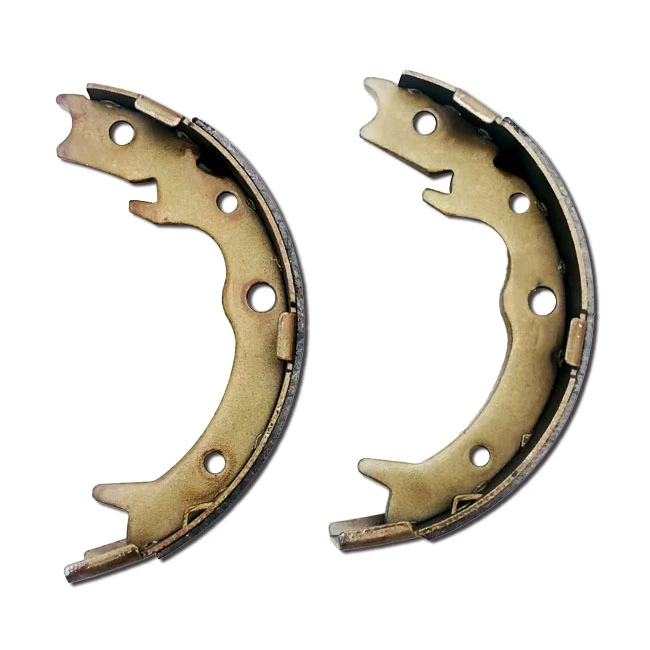
The handbrake, also known as the parking brake, is a secondary braking system that is used to hold the vehicle in place when parked. In vehicles with drum brakes, the handbrake is often connected to the rear brake shoes. When rear brake shoes are worn, the handbrake may not work effectively, increasing the risk of the vehicle rolling away. In some cases, worn brake shoes can also cause damage to the Handbrake Pad, requiring replacement.
Brake Lines
The brake lines are responsible for carrying the hydraulic fluid from the master cylinder to the calipers or wheel cylinders. When rear brake shoes are worn, the increased pressure on the braking system can cause the brake lines to leak or burst. This can lead to a loss of braking power and pose a significant safety risk. Additionally, worn brake shoes can cause the brake lines to vibrate, which can lead to premature wear and failure.
Importance of Regular Maintenance
To prevent the issues mentioned above, it's essential to maintain your vehicle's braking system regularly. Here are some tips to help you keep your brakes in good condition:
Inspect the Brake Shoes Regularly
Regularly inspecting the rear brake shoes is one of the most important steps in maintaining your vehicle's braking system. Most vehicle manufacturers recommend inspecting the brake shoes every 12,000 to 15,000 miles or at least once a year. Look for signs of wear, such as thinning of the brake lining, scoring or grooving of the drums, and leaks in the wheel cylinders.
Replace the Brake Shoes on Time
When the rear brake shoes reach the recommended wear limit, it's essential to replace them immediately. Ignoring worn brake shoes can lead to more significant problems and increase the risk of brake failure. It's also a good idea to replace the brake shoes in pairs to ensure even braking performance.
Flush the Brake Fluid
Over time, the brake fluid can become contaminated with moisture and debris, reducing its effectiveness. It's recommended to flush the brake fluid every two to three years or as recommended by the vehicle manufacturer. Flushing the brake fluid helps to remove any contaminants and ensures optimal braking performance.
Have the Braking System Serviced Regularly
In addition to inspecting and replacing the brake shoes, it's also important to have the entire braking system serviced regularly. A professional mechanic can perform a comprehensive inspection of the braking system, including the rotors, calipers, brake lines, and master cylinder. They can also identify any potential problems and make the necessary repairs or adjustments.
Conclusion
In conclusion, worn rear brake shoes can indeed damage other parts of the braking system. From reduced braking performance and uneven braking to damage to the brake drums, wheel cylinders, handbrake system, and brake lines, the effects of worn rear brake shoes can be far-reaching. Regular maintenance, including inspecting and replacing the brake shoes on time, flushing the brake fluid, and having the braking system serviced regularly, is essential to ensure optimal braking performance and prevent costly repairs.
As a supplier of high-quality Rear Brake Shoes and BMW Rear Brake Shoes, we understand the importance of providing reliable and durable products. Our brake shoes are designed to meet or exceed OEM specifications, ensuring a perfect fit and optimal performance. If you're in the market for new rear brake shoes or have any questions about our products, please don't hesitate to contact us. We're here to help you keep your vehicle safe on the road.
References
- Automotive Brake Systems: Principles, Diagnosis, and Service by James D. Halderman
- Brake Manual by Chilton
- Modern Automotive Technology by James D. Halderman