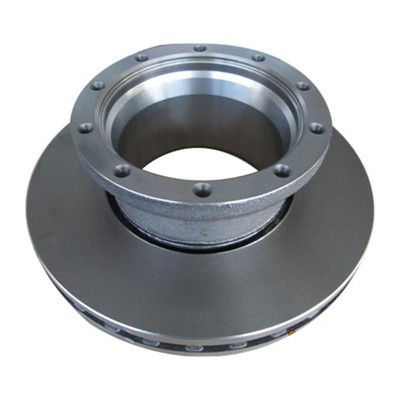
Do aftermarket car brake discs perform better than OEM ones? This is a question that often pops up in the minds of car enthusiasts, mechanics, and daily drivers alike. As a supplier of car brake discs, I've dealt with a wide range of customers and their queries about the performance and quality of different brake discs. In this blog, I'll explore the factors that differentiate aftermarket and OEM brake discs, and try to answer this pressing question.
Understanding OEM Brake Discs
OEM, which stands for Original Equipment Manufacturer, refers to the brake discs that are installed in a vehicle right from the factory. These brake discs are designed and manufactured to meet the specific requirements and specifications of the vehicle manufacturer. They are the same parts that the car comes with when it rolls off the assembly line.
One of the key advantages of OEM brake discs is their perfect fit. Since they are designed specifically for a particular make and model of a car, there is no need for any modifications during installation. This ensures that they work seamlessly with the vehicle's braking system, providing reliable and consistent performance. For example, Mercedes - Benz Brake Disc as an OEM part, is engineered to match the high - end braking requirements of Mercedes - Benz vehicles, offering smooth and efficient braking.
OEM brake discs also come with the assurance of quality and safety. Vehicle manufacturers conduct rigorous testing on these parts to ensure that they meet strict safety standards. This gives car owners peace of mind, knowing that they are using a product that has been thoroughly vetted. Additionally, in many cases, using OEM parts can help maintain the vehicle's warranty, as the manufacturer is more likely to honor the warranty if the original parts are used.
However, OEM brake discs also have some drawbacks. One of the main issues is cost. Since they are supplied by the vehicle manufacturer or their authorized suppliers, they tend to be more expensive than aftermarket alternatives. This can be a significant factor for budget - conscious consumers. Another potential downside is limited performance options. OEM brake discs are generally designed to provide a balance of performance, durability, and cost - effectiveness for the average driver. They may not offer the high - performance features that some enthusiasts are looking for.
Exploring Aftermarket Brake Discs
Aftermarket brake discs are produced by third - party manufacturers, not by the original vehicle manufacturer. These discs are available in a wide range of designs, materials, and performance levels, catering to different types of drivers and driving conditions.
One of the major advantages of aftermarket brake discs is their variety. There are aftermarket options available for performance - oriented drivers who need better braking power and heat dissipation. For example, some aftermarket brake discs are made from high - carbon steel or ceramic composites, which can withstand higher temperatures and offer improved braking performance under extreme conditions. Ford Brake Discs in the aftermarket space may include options with enhanced ventilation and aggressive cross - drilling or slitting patterns, which can increase friction and improve the overall braking experience.
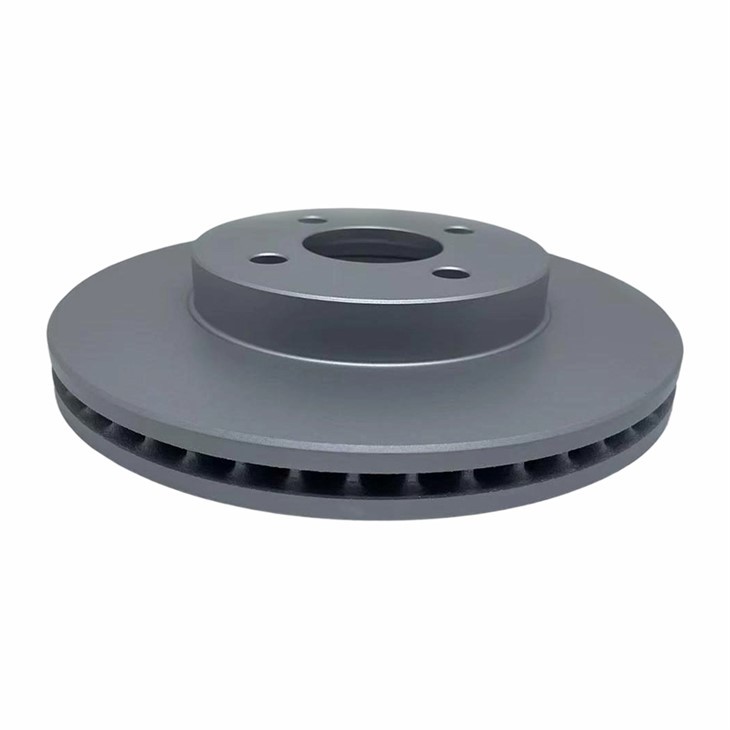

Cost is another area where aftermarket brake discs shine. Since there is more competition in the aftermarket, prices are often more competitive compared to OEM brake discs. This makes them an attractive option for consumers who want to upgrade their braking system without breaking the bank.
However, not all aftermarket brake discs are created equal. The quality can vary widely among different manufacturers. Some low - quality aftermarket brake discs may not fit properly, leading to issues such as vibrations, noise, or uneven braking. There is also a lack of standardization in the aftermarket, which means that there may be some variability in terms of performance and safety. It's crucial for consumers to do their research and choose a reputable aftermarket supplier.
Performance Comparison
When it comes to performance, the answer to whether aftermarket brake discs are better than OEM ones depends on several factors.
Braking Power
In terms of raw braking power, high - end aftermarket brake discs can outperform OEM ones. Aftermarket manufacturers can use advanced materials and design techniques to increase the friction coefficient between the brake disc and the brake pad. For example, ceramic brake discs are known for their exceptional stopping power and fade resistance. They can provide shorter stopping distances, especially at high speeds. However, for everyday driving, the difference in braking power between a good - quality OEM brake disc and a mid - range aftermarket disc may not be very noticeable.
Heat Dissipation
Heat is a major enemy of braking systems. As the brakes are applied, friction generates heat, which can cause the brake discs to warp or the brake pads to fade. Aftermarket brake discs often have better heat dissipation features. Many aftermarket discs are designed with cross - drilling or slitting patterns, which help to reduce heat by allowing air to flow through the disc more effectively. Some OEM brake discs may also have heat - dissipation features, but aftermarket discs may take these features to the next level.
Durability
OEM brake discs are generally designed to provide a reasonable level of durability for normal driving conditions. However, aftermarket brake discs can offer increased durability, especially for heavy - duty or high - performance applications. For example, aftermarket brake discs made from high - strength materials can withstand more wear and tear, and are less likely to develop cracks or warp over time.
Noise and Vibration
OEM brake discs are usually tuned to provide a quiet and smooth braking experience. Aftermarket brake discs can vary in this regard. Some high - performance aftermarket discs may produce more noise or vibration, especially if they are designed with aggressive friction materials. However, many reputable aftermarket manufacturers are now focusing on reducing noise and vibration to match or even exceed the performance of OEM discs in this area.
Which One Should You Choose?
The choice between aftermarket and OEM brake discs depends on your specific needs and driving habits. If you are an average driver who uses the car for daily commuting and occasional weekend trips, a good - quality OEM brake disc may be sufficient. It offers a perfect fit, reliable performance, and the assurance of safety and warranty compliance.
On the other hand, if you are a performance enthusiast, a professional racing driver, or someone who frequently drives in challenging conditions, aftermarket brake discs may be a better option. You can choose from a wide range of high - performance discs that offer superior braking power, heat dissipation, and durability.
As a car brake disc supplier, I can offer you a comprehensive range of both OEM - equivalent and high - performance aftermarket brake discs. Whether you are looking for Chevy Brake Discs, Mercedes - Benz Brake Disc, or Ford Brake Discs, I can provide you with products that meet your quality and performance requirements.
If you are interested in purchasing brake discs or have any questions about our products, feel free to reach out. We are here to help you make the right choice for your vehicle. Our team of experts can provide you with detailed information and guidance to ensure that you get the best braking solution for your needs. Contact us for more information and let's start the discussion about your brake disc requirements.
References
- Bosch Automotive Aftermarket: "Brake Disc Technology Handbook"
- Brembo: "Technical Papers on High - Performance Braking Systems"
- SAE International: "Research on Automotive Brake System Performance and Design"