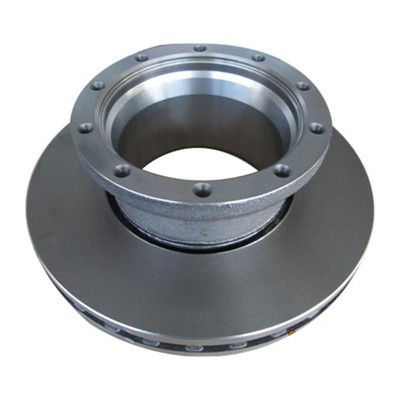
As a supplier of BMW brake discs, I've been frequently asked whether BMW brake discs rust easily. This is a crucial concern for both car enthusiasts and daily drivers, as the condition of brake discs directly impacts the safety and performance of a vehicle. In this blog, I'll delve into the factors affecting the rusting of BMW brake discs, compare them with brake discs from other brands, and provide insights on how to prevent rust.
Understanding the Basics of Brake Disc Rust
Rust is essentially the oxidation of iron, a chemical reaction that occurs when iron comes into contact with oxygen and moisture. Brake discs are typically made of cast iron, which is an alloy containing a significant amount of iron. When exposed to the elements, especially in humid or wet conditions, the iron in the brake discs reacts with oxygen in the air to form iron oxide, commonly known as rust.
The formation of rust on brake discs is not only an aesthetic issue but can also have implications for the braking system's performance. A thin layer of rust may not immediately affect braking, but if left untreated, it can lead to uneven wear, reduced braking efficiency, and potentially noisy brakes.
Factors Affecting the Rusting of BMW Brake Discs
1. Material Quality
BMW uses high - quality materials in the manufacturing of its brake discs. These materials are often treated or alloyed to enhance their resistance to corrosion. For example, some BMW brake discs may have a special coating or use a specific grade of cast iron that is more resistant to rust compared to standard cast iron. However, even high - quality materials are not completely immune to rust, especially in harsh environments.
2. Driving Conditions
The frequency and type of driving play a significant role in the rusting of brake discs. If a BMW is driven regularly, the heat generated during braking can help to evaporate moisture from the surface of the brake discs, reducing the likelihood of rust formation. On the other hand, if the vehicle is parked for long periods, especially in a damp or humid environment, the brake discs are more likely to rust.
3. Environmental Factors
The climate in which the vehicle is operated is a major factor. In areas with high humidity, frequent rain, or near the coast where there is salt in the air, the risk of rusting increases significantly. Salt is particularly corrosive as it accelerates the oxidation process. Even in areas with cold winters where salt is used on the roads to melt ice, the brake discs are exposed to a highly corrosive environment.
Comparison with Other Brands
To put the rusting of BMW brake discs into perspective, let's compare them with brake discs from other popular brands such as Mercedes Brake Disc, Volvo Brake Discs, and Ford Brake Discs.
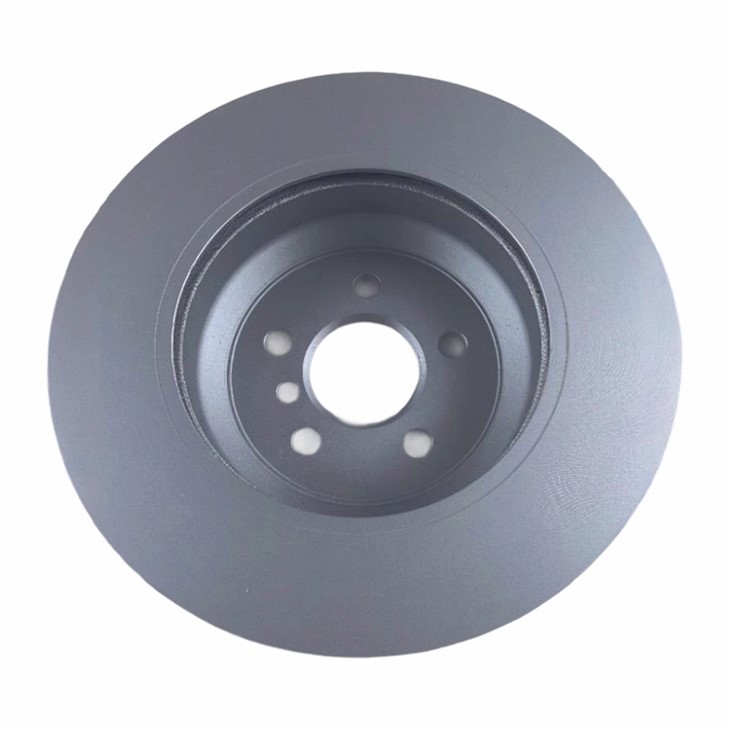

Mercedes also uses high - quality materials in its brake discs and has similar anti - corrosion treatments. However, like BMW, the rusting of Mercedes brake discs is also affected by driving and environmental conditions. Volvo is known for its focus on safety, and its brake discs are designed to be durable. They often have features that enhance rust resistance, but again, they are not impervious to rust. Ford, with a wide range of vehicles from economy cars to heavy - duty trucks, has brake discs that vary in terms of rust resistance depending on the model and the intended use of the vehicle.
In general, the rusting characteristics of BMW brake discs are comparable to those of other premium and mainstream brands. The key difference lies in the specific materials and manufacturing processes used by each brand, which can affect the rate and severity of rust formation.
Preventing Rust on BMW Brake Discs
1. Regular Driving
As mentioned earlier, regular driving helps to keep the brake discs dry. The heat generated during braking evaporates moisture, reducing the chances of rust. Even short drives can be beneficial, as long as the brakes are used enough to generate some heat.
2. Cleaning
Regularly cleaning the wheels and brake discs can remove dirt, salt, and other contaminants that can accelerate rusting. Use a mild soap and water solution and a soft brush to clean the brake discs gently. Avoid using abrasive cleaners or brushes that could damage the surface of the discs.
3. Storage
If you need to store your BMW for an extended period, it's advisable to store it in a dry, covered area. You can also use a moisture - absorbing product in the storage area to reduce humidity. Additionally, consider using a brake disc protector or a corrosion - inhibiting spray on the brake discs before storage.
Our Offer as a BMW Brake Disc Supplier
As a supplier of BMW brake discs, we understand the importance of providing high - quality products that meet the strict standards of BMW. Our brake discs are manufactured using the latest technology and high - grade materials. We ensure that our products have excellent anti - corrosion properties, reducing the risk of rust and ensuring long - term performance.
We offer a wide range of BMW brake discs to suit different models and driving requirements. Whether you are a performance enthusiast looking for high - performance brake discs or a daily driver in need of reliable and durable brake discs, we have the right solution for you.
If you are interested in purchasing BMW brake discs or have any questions about our products, we invite you to contact us for a procurement discussion. We are committed to providing excellent customer service and ensuring that you get the best brake discs for your BMW.
References
- "Automotive Brake Systems: Fundamentals, Diagnosis, and Service" by James D. Halderman
- "The Science of Rust: Understanding Corrosion" by various authors in scientific journals on materials science