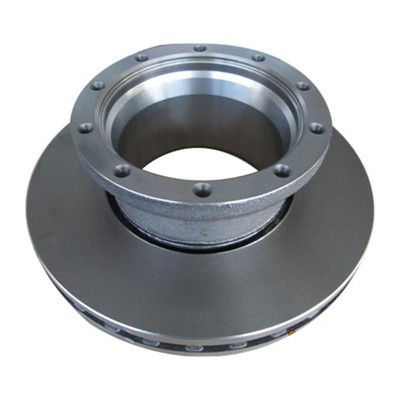
Do car brake pads affect fuel efficiency? That's a question I've been getting a lot lately, and as a car brake pads supplier, I'm more than happy to dive into this topic.
Let's start with the basics. Fuel efficiency is all about how far your car can go on a certain amount of fuel. It's affected by a bunch of things like the engine's performance, the aerodynamics of the vehicle, and even your driving habits. But what about brake pads? Can they really play a role in how much gas your car guzzles?
Well, the short answer is yes. Brake pads can have an impact on fuel efficiency, and here's how. When your brake pads are in good condition, they work efficiently to slow down or stop your car. They grip the brake rotors just right, allowing for smooth and effective braking. But if your brake pads are worn out or of poor quality, they can cause a whole bunch of problems.
One of the main issues with worn - out brake pads is increased friction. When the brake pads are too thin or damaged, they may not release properly from the rotors. This means that there's constant friction between the pads and the rotors, even when you're not actively braking. This extra friction acts like a drag on your car, making the engine work harder to move the vehicle forward. And when the engine has to work harder, it burns more fuel.


Think of it like trying to push a cart with the wheels locked. It's a lot more difficult, and you'll have to put in a lot more energy to get it moving. The same principle applies to your car. If there's unnecessary friction from the brake pads, your engine has to use more fuel to overcome that resistance.
Another factor to consider is the material of the brake pads. Different brake pad materials have different levels of friction and wear characteristics. For example, ceramic brake pads are known for their low dust and quiet operation. They also tend to have a more consistent friction coefficient over a wide range of temperatures. This means that they can provide smooth braking and are less likely to cause excessive drag when not in use. On the other hand, semi - metallic brake pads have higher friction levels but may also generate more heat and wear on the rotors. This can potentially lead to more drag and decreased fuel efficiency if not properly maintained.
As a brake pads supplier, I offer a variety of high - quality brake pads that are designed to optimize fuel efficiency. For instance, our HOLDEN Brake Pads are specifically engineered to provide excellent braking performance while minimizing unnecessary friction. These pads are made from top - notch materials that ensure a long lifespan and consistent braking power. Whether you're driving around town or on a long highway trip, HOLDEN Brake Pads can help keep your fuel consumption in check.
Similarly, our EAGLE Brake Pads are another great option. They are built with advanced technology to reduce heat and wear on the rotors. This not only extends the life of your braking system but also helps improve fuel efficiency. With EAGLE Brake Pads, you can enjoy smooth and reliable braking without sacrificing your car's fuel economy.
And if you own an ALFA ROMEO, our ALFA ROMEO Brake Pads are the perfect fit. These pads are customized to meet the specific requirements of ALFA ROMEO vehicles. They offer precise braking performance and are designed to minimize any negative impact on fuel efficiency.
Now, you might be wondering how often you should replace your brake pads to maintain good fuel efficiency. It really depends on your driving habits. If you do a lot of stop - and - go driving in the city, your brake pads will wear out faster than if you mainly drive on the highway. As a general rule of thumb, it's a good idea to have your brake pads checked every 12,000 - 15,000 miles. If they're getting close to the minimum thickness, it's time to replace them.
In addition to regular replacement, proper maintenance of your brake system is crucial. This includes keeping the brake calipers clean and lubricated, and making sure the brake lines are in good condition. A well - maintained brake system will not only ensure your safety but also help improve fuel efficiency.
So, to sum it up, car brake pads can definitely affect fuel efficiency. Worn - out or poor - quality brake pads can cause increased friction, which makes the engine work harder and burns more fuel. By choosing high - quality brake pads like the ones we offer at our supply, you can optimize your car's braking performance and improve fuel efficiency.
If you're interested in learning more about our brake pads or are looking to make a purchase, I encourage you to reach out. We're here to help you find the right brake pads for your vehicle and answer any questions you may have. Whether you're a car enthusiast or just looking to save some money on gas, our brake pads are a great investment. Contact us today to start the procurement negotiation process, and let's get your car running more efficiently.
References
- "Automotive Brake Systems: Principles and Maintenance" by James D. Halderman
- Various industry reports on automotive components and fuel efficiency.