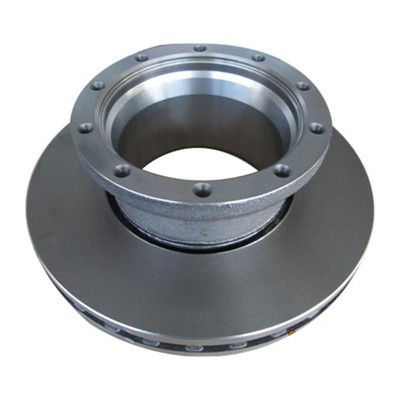
Do car brake shoes need to be lubricated? That's a question I get asked a lot as a car brake shoes supplier. And the answer isn't as straightforward as you might think.
First off, let's talk about what brake shoes are and how they work. Brake shoes are part of a drum brake system. When you step on the brake pedal, the brake shoes are pushed out against the inside of the brake drum. This friction between the brake shoes and the drum slows down the rotation of the wheel, bringing your car to a stop.
Now, the idea of lubrication usually makes things move more smoothly. But when it comes to brake shoes, we need to be really careful. In most cases, the friction surfaces of the brake shoes - the parts that actually touch the brake drum - should never be lubricated. Lubricating these surfaces would reduce the friction, which is the whole point of the braking system. Without enough friction, your brakes won't work effectively, and that's a huge safety risk.
However, there are some areas around the brake shoes where lubrication can be beneficial. For example, the contact points between the brake shoes and the brake hardware, like the brake shoe pins and the backing plate. Over time, these parts can experience a lot of wear and tear due to the constant movement and pressure during braking. Applying a high - temperature brake lubricant to these areas can prevent corrosion and ensure that the brake shoes move freely. This helps the brakes to operate more smoothly and evenly, and can also extend the lifespan of the brake components.
Let's take a look at some specific types of brake shoes. If you're dealing with Rear Brake Shoes, the same principles apply. The friction material on the rear brake shoes must remain dry. But the pivot points and contact areas between the shoes and the rear drum brake assembly can benefit from proper lubrication.
Another type is the Handbrake Pad. The handbrake pad is an important part of your car's parking brake system. Similar to regular brake shoes, the friction surface of the handbrake pad should not be lubricated. But the mechanical parts that actuate the handbrake pad, such as the cables and levers, can be lubricated to ensure smooth operation. This helps the handbrake to engage and disengage properly, giving you peace of mind when parking your car.
If you own a BMW, BMW Rear Brake Shoes have their own set of requirements. BMW vehicles are known for their high - performance and precision engineering. The brake system is no exception. While the friction material on the rear brake shoes should be kept clean and dry, the small components within the BMW rear drum brake system, like the adjuster mechanisms, can benefit from a light application of the right type of lubricant. This helps to maintain the proper adjustment of the brake shoes and ensures consistent braking performance.
When it comes to choosing the right lubricant for your brake shoes, not all lubricants are created equal. You need to use a lubricant that is specifically designed for brake systems. These lubricants are formulated to withstand high temperatures, which are common in braking systems. Regular grease or oil won't work because they can break down under the high heat and may even contaminate the brake shoes' friction surfaces.
So, how do you know if your brake shoes need lubrication? Well, there are a few signs. If you notice a squeaking or grinding noise when you apply the brakes, it could be a sign that the brake shoes are not moving freely. This might be due to lack of lubrication at the contact points. Another sign is uneven braking. If your car pulls to one side when you brake, it could be because the brake shoes on one side are not operating as smoothly as the other. This could also be related to a lack of lubrication in the brake hardware.
If you're a DIY enthusiast and want to lubricate your brake shoes yourself, here are some steps to follow. First, make sure you have the right tools and the appropriate brake lubricant. Then, carefully remove the wheels and the brake drums to access the brake shoes. Clean the contact points between the brake shoes and the hardware thoroughly. Apply a small amount of the lubricant to the pivot points, pins, and other non - friction areas. Be very careful not to get any lubricant on the friction surfaces of the brake shoes. Once you've applied the lubricant, reassemble the brake components and test your brakes before driving your car.
But if you're not confident in doing it yourself, it's always a good idea to take your car to a professional mechanic. They have the experience and the right equipment to ensure that the brake shoes are lubricated correctly and that your braking system is in top condition.
As a car brake shoes supplier, I know how important it is to maintain your brake system properly. Whether you're a car owner, a mechanic, or a fleet manager, having well - maintained brake shoes is crucial for safety on the road. We offer a wide range of high - quality brake shoes, including rear brake shoes, handbrake pads, and BMW rear brake shoes. If you're interested in purchasing our products or have any questions about brake shoe lubrication or brake system maintenance, don't hesitate to get in touch with us. We're here to help you keep your vehicles braking safely and efficiently.
In conclusion, while the friction surfaces of car brake shoes should never be lubricated, there are specific areas around the brake shoes where lubrication can be beneficial. By understanding these areas and using the right lubricant, you can improve the performance and lifespan of your brake system.
References:


- Automotive Brake Systems Manual
- Brake Shoe Manufacturer's Guidelines