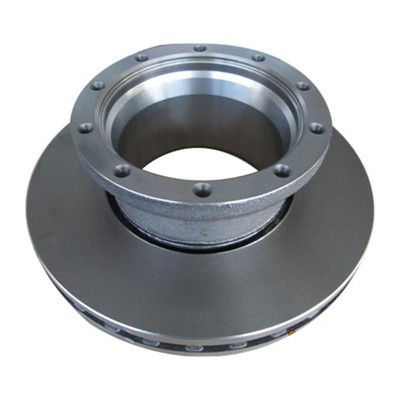
As a supplier of Ford brake discs, I often encounter various questions from customers. One of the most frequently asked questions is whether performance Ford brake discs increase fuel consumption. In this blog post, I will delve into this topic, exploring the scientific aspects behind it and providing a comprehensive analysis.
Understanding the Basics of Brake Discs and Fuel Consumption
To begin with, let's understand how a vehicle's braking system works and its relationship with fuel consumption. The braking system is designed to slow down or stop the vehicle by converting the kinetic energy of the moving vehicle into heat energy through friction. When you press the brake pedal, the brake pads clamp down on the brake discs, creating friction that slows down the rotation of the wheels.
Fuel consumption, on the other hand, is primarily determined by factors such as engine efficiency, vehicle weight, driving style, and aerodynamics. The engine burns fuel to generate power to move the vehicle forward. Any additional resistance or inefficiency in the vehicle's operation can potentially increase the amount of fuel needed to maintain a certain speed.
How Performance Brake Discs Differ from Standard Ones
Performance Ford brake discs are designed to offer enhanced braking performance compared to standard brake discs. They are typically made from high - quality materials such as carbon - ceramic composites or high - grade cast iron. These materials can withstand higher temperatures without warping, which means they can provide more consistent braking power, especially during high - speed driving or heavy braking situations.
Some performance brake discs also have unique designs, such as cross - drilled or slotted patterns. Cross - drilled holes help to dissipate heat more efficiently by allowing hot air and gases to escape from the braking surface. Slotted brake discs, on the other hand, can improve the bite of the brake pads and clear away debris and water, providing better wet - weather braking performance.
The Impact of Performance Brake Discs on Fuel Consumption
Now, let's address the question at hand: do performance Ford brake discs increase fuel consumption? The answer is not straightforward and depends on several factors.
1. Weight
One of the key factors is the weight of the brake discs. Performance brake discs, especially those made from carbon - ceramic composites, are generally lighter than standard cast - iron brake discs. A lighter vehicle requires less energy to accelerate and maintain speed, which can potentially lead to lower fuel consumption. For example, if a vehicle's unsprung weight (the weight of components not supported by the vehicle's suspension, including brake discs) is reduced, the engine has to work less to move the vehicle, resulting in better fuel efficiency.


2. Friction and Rolling Resistance
The friction between the brake pads and the brake discs can also affect fuel consumption. Performance brake discs are designed to have a higher coefficient of friction, which means they can stop the vehicle more effectively. However, a higher coefficient of friction can also create more drag when the brakes are not being actively applied. This drag can increase the rolling resistance of the wheels, causing the engine to work harder and potentially increasing fuel consumption.
In normal driving conditions, where the brakes are not constantly engaged, the increase in rolling resistance due to high - friction brake discs is usually minimal. But in stop - and - go traffic or during long - distance driving with frequent braking, the additional drag can have a more noticeable impact on fuel efficiency.
3. Heat Dissipation
As mentioned earlier, performance brake discs are better at dissipating heat. Efficient heat dissipation can prevent the brake pads from overheating and losing their effectiveness. When the brakes are in optimal condition, they can provide smooth and consistent braking, which can help the driver to drive more efficiently. For instance, if the brakes are not overheating, the driver can brake more smoothly without having to apply excessive force, reducing the need for sudden acceleration after braking, which in turn can save fuel.
Real - World Examples and Case Studies
Although there is limited scientific research specifically focused on the fuel - consumption impact of performance Ford brake discs, we can look at some general automotive studies related to braking systems.
A study by an independent automotive research firm found that reducing a vehicle's unsprung weight by just 10% can improve fuel efficiency by up to 2%. Since performance carbon - ceramic brake discs can significantly reduce unsprung weight, this suggests that they could potentially have a positive impact on fuel consumption.
However, another study on high - friction brake pads and discs in urban driving conditions showed that the increased rolling resistance could lead to a 3 - 5% increase in fuel consumption. This increase was mainly due to the continuous low - level drag created by the high - friction materials.
Comparing with Other Brands
It's also interesting to compare performance Ford brake discs with brake discs from other brands. For example, Toyota Floating Carbon BrakeDiscs are known for their excellent heat dissipation and lightweight design. Similar to performance Ford brake discs, they can potentially offer benefits in terms of fuel efficiency due to their reduced weight.
AUDI Brake Disc also come in various performance options. Some of these discs are designed with advanced materials and technologies to provide high - performance braking. However, just like Ford performance brake discs, their impact on fuel consumption depends on factors such as weight, friction, and design.
If you are looking for something more customized, Modified Brake Disc can be a great option. These discs can be tailored to specific driving needs, but again, their effect on fuel consumption will vary based on the materials and design choices.
Conclusion
In conclusion, the impact of performance Ford brake discs on fuel consumption is complex. While factors such as reduced weight can potentially lead to lower fuel consumption, the increased friction and rolling resistance may have the opposite effect. In most cases, the overall impact on fuel consumption is relatively small, especially when considering the benefits of improved braking performance, safety, and durability.
If you are a performance - oriented driver who values consistent braking power and the ability to handle high - speed situations, the potential small increase in fuel consumption may be a trade - off worth making. On the other hand, if fuel efficiency is your top priority, you should carefully consider the design and materials of the performance brake discs you choose.
As a Ford brake disc supplier, we offer a wide range of performance brake discs to meet different customer needs. Whether you are looking for better braking performance or trying to optimize fuel efficiency, we can provide you with the right solution. If you are interested in our products, please feel free to contact us for a detailed discussion and procurement negotiation.
References
- Automotive Research Journal on Unsprung Weight and Fuel Efficiency
- Urban Driving Braking System Study on Friction and Fuel Consumption