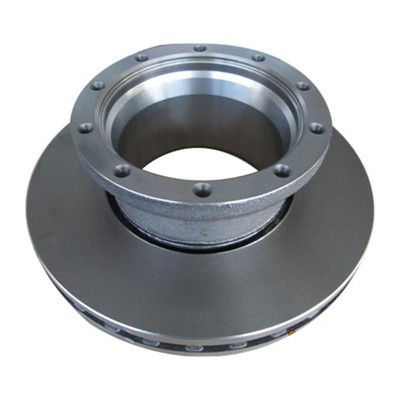
Brake fade is a critical issue that can significantly impact the safety and performance of trucks. As a trusted truck brake disc supplier, I understand the importance of preventing brake fade to ensure the reliability of your vehicle's braking system. In this blog post, I will share some effective strategies to help you prevent brake fade on truck brake discs.
Understanding Brake Fade
Before delving into prevention methods, it's essential to understand what brake fade is and why it occurs. Brake fade is a reduction in braking performance caused by excessive heat build - up in the brake system. When the brake pads and discs get too hot, the friction material on the brake pads can glaze over, and the brake fluid can boil, leading to a decrease in the friction between the pads and the discs. This results in longer stopping distances and potentially dangerous situations on the road.
Quality of Brake Discs
One of the most fundamental ways to prevent brake fade is by using high - quality brake discs. At our company, we offer a wide range of heavy - duty truck brake discs, including Heavy Duty Vehicle Brake Discs. These discs are made from high - grade materials that can withstand high temperatures and maintain their structural integrity during intense braking.
For semi - trucks, our Semi Truck Brake Disc is designed to handle the heavy loads and long - haul requirements. They have a superior heat dissipation design, which means they can dissipate heat more efficiently, reducing the risk of brake fade.
Similarly, our Commercial Truck Brake Discs are engineered to meet the demands of commercial vehicles. They are built with precision to ensure optimal contact with the brake pads, providing consistent and reliable braking performance even under extreme conditions.
Proper Brake Pad Selection
The choice of brake pads is equally important as the brake discs. Different types of brake pads have different heat resistance properties. Ceramic brake pads, for example, are known for their excellent heat dissipation and low dust production. They can operate at high temperatures without experiencing significant fade. Metallic brake pads, on the other hand, are more durable and can handle heavy loads, but they may generate more heat during braking.
When selecting brake pads, consider the type of truck you have, your driving conditions, and your typical load. If you frequently drive in mountainous areas or carry heavy loads, ceramic or semi - metallic brake pads may be a better choice. Our team of experts can help you select the most suitable brake pads for your specific needs.


Regular Maintenance
Regular maintenance of the brake system is crucial for preventing brake fade. This includes checking the brake fluid level, inspecting the brake discs for wear and damage, and replacing the brake pads when they reach the recommended thickness.
Brake fluid absorbs moisture over time, which can lower its boiling point and increase the risk of brake fade. It is recommended to flush and replace the brake fluid every two to three years, depending on the manufacturer's guidelines.
Inspect the brake discs regularly for signs of wear, such as grooves, cracks, or uneven surfaces. If the discs are worn beyond the specified limits, they should be replaced immediately. Similarly, worn brake pads should be replaced to ensure proper braking performance.
Driving Techniques
Your driving style can also have a significant impact on brake fade. Aggressive driving, such as sudden and hard braking, can generate excessive heat in the brake system. Instead, try to anticipate stops and brake gradually. This allows the heat to dissipate more evenly and reduces the stress on the brake discs and pads.
When driving downhill, use engine braking to assist the brakes. Engine braking means downshifting to a lower gear, which uses the engine's resistance to slow down the vehicle. This reduces the amount of work the brakes need to do, thus preventing excessive heat build - up.
Cooling Systems
In some cases, additional cooling systems can be installed to help prevent brake fade. For example, air ducts can be added to direct cool air onto the brake discs. This helps to lower the temperature of the discs during braking, reducing the risk of fade.
Another option is to use brake cooling fins. These fins are designed to increase the surface area of the brake discs, allowing them to dissipate heat more effectively. Some advanced brake discs come with built - in cooling channels or vanes, which further enhance their heat dissipation capabilities.
Load Management
Overloading the truck can put excessive stress on the brakes and increase the likelihood of brake fade. Always adhere to the truck's load capacity limits. Distribute the load evenly across the axles to ensure balanced braking performance. Unevenly distributed loads can cause some brake discs to work harder than others, leading to uneven wear and potentially brake fade.
If you need to carry a large or heavy load, plan your route carefully. Avoid steep and long descents whenever possible, as these situations require more frequent and intense braking, increasing the risk of brake fade.
Monitoring Systems
Installing brake monitoring systems can also be beneficial. These systems can monitor the temperature of the brake discs and alert you if they reach a critical level. By being aware of the brake disc temperature, you can take appropriate actions to prevent brake fade, such as reducing speed or using engine braking.
Conclusion
Preventing brake fade on truck brake discs is a multi - faceted approach that involves using high - quality brake components, proper maintenance, smart driving techniques, and in some cases, additional cooling and monitoring systems. As a truck brake disc supplier, we are committed to providing you with the best - in - class products and technical support to ensure your trucks' braking systems are reliable and safe.
If you are interested in learning more about our truck brake discs or have specific requirements for your truck's braking system, please contact us for a detailed discussion. Our team of experts is ready to assist you in selecting the most suitable products for your needs and answering any questions you may have.
References
- Automotive Brake Systems Handbook, Published by an industry - leading automotive engineering association
- Technical papers on brake performance and heat management in heavy - duty vehicles