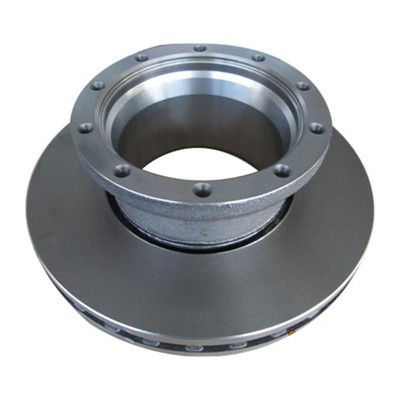
Hey there, fellow car enthusiasts! As a supplier of BMW brake discs, I've spent countless hours diving deep into the world of braking systems. Today, I'm stoked to share my insights on how BMW brake discs stack up against carbon-ceramic brake discs.
Let's start with the basics. BMW brake discs are the bread and butter of the brand's braking systems. They're designed to work seamlessly with BMW's high-performance engines and advanced suspension setups. These discs are made from high-quality materials that are built to last, providing reliable stopping power in a variety of driving conditions.
On the other hand, carbon-ceramic brake discs are the new kids on the block. They're made from a composite material that combines carbon fibers with ceramic particles, resulting in a disc that's lighter, stronger, and more heat-resistant than traditional steel discs. Carbon-ceramic brake discs are often found on high-end sports cars and supercars, where performance is key.
So, how do these two types of brake discs compare? Well, let's take a look at some of the key factors:
Performance
When it comes to performance, both BMW brake discs and carbon-ceramic brake discs are top-notch. BMW brake discs are designed to provide consistent stopping power, even under heavy use. They're also engineered to resist fade, which means they won't lose their effectiveness as the brakes heat up.
Carbon-ceramic brake discs, on the other hand, offer even better performance. They're lighter than steel discs, which means they reduce unsprung weight and improve handling. They also have a higher heat capacity, which means they can withstand more heat without fading. This makes them ideal for high-performance driving, where you need to stop quickly and repeatedly.
Durability
Durability is another important factor to consider when choosing brake discs. BMW brake discs are built to last, thanks to their high-quality materials and advanced manufacturing processes. They're designed to resist wear and tear, even in harsh driving conditions.


Carbon-ceramic brake discs are also very durable. They're resistant to corrosion and wear, which means they can last longer than traditional steel discs. However, they're also more expensive to replace, so you need to weigh the cost against the benefits.
Cost
Cost is always a consideration when it comes to car parts. BMW brake discs are generally more affordable than carbon-ceramic brake discs. They're a great option for drivers who want reliable braking performance without breaking the bank.
Carbon-ceramic brake discs, on the other hand, are much more expensive. They're typically found on high-end sports cars and supercars, where cost is less of a concern. If you're a serious performance driver, you may be willing to pay the extra money for the improved performance and durability of carbon-ceramic brake discs.
Noise and Dust
Noise and dust are two common complaints when it comes to brake discs. BMW brake discs are designed to be quiet and produce minimal dust. They use advanced materials and technologies to reduce noise and vibration, providing a smooth and comfortable driving experience.
Carbon-ceramic brake discs are also very quiet and produce minimal dust. They're made from a composite material that doesn't generate as much friction as traditional steel discs, which means they produce less noise and dust. This makes them a great option for drivers who want a clean and quiet braking system.
Compatibility
Compatibility is another important factor to consider when choosing brake discs. BMW brake discs are designed to work specifically with BMW vehicles. They're engineered to fit perfectly and provide optimal performance.
Carbon-ceramic brake discs, on the other hand, may not be compatible with all vehicles. They're typically designed for high-performance sports cars and supercars, and they may require special modifications to fit other vehicles. Before you invest in carbon-ceramic brake discs, make sure they're compatible with your vehicle.
So, which type of brake disc is right for you? Well, it depends on your driving style, budget, and vehicle. If you're a casual driver who wants reliable braking performance at an affordable price, BMW brake discs are a great option. They're designed to work seamlessly with BMW vehicles and provide consistent stopping power in a variety of driving conditions.
If you're a serious performance driver who wants the best of the best, carbon-ceramic brake discs may be worth the investment. They offer superior performance, durability, and noise reduction, but they're also more expensive.
As a supplier of BMW brake discs, I'm passionate about providing my customers with the highest quality products and services. If you're in the market for new brake discs, I'd be happy to help you find the right ones for your vehicle. Whether you're looking for Chevy Brake Discs, Mercedes-Benz Brake Disc, or AUDI Brake Disc, I've got you covered.
So, what are you waiting for? Contact me today to learn more about my products and services, and let's get your vehicle braking like a champ!
References
- Brake Disc Basics. (n.d.). Retrieved from https://www.brembo.com/en/techcorner/techguide/brake-disc-basics
- Carbon-Ceramic Brakes: What You Need to Know. (2021, March 22). Retrieved from https://www.caranddriver.com/research/a32000370/carbon-ceramic-brakes-explained/
- How to Choose the Right Brake Discs for Your Car. (2021, April 12). Retrieved from https://www.autoblog.com/2021/04/12/how-to-choose-the-right-brake-discs-for-your-car/