Hey there! I'm a brake pad supplier, and today I wanna chat about how brake pads work in trains. It's a super interesting topic, and I'm stoked to share all the cool details with you.
Let's start with the basics. Just like in cars, brake pads in trains are a crucial part of the braking system. Their main job is to slow down or stop the train by creating friction. But trains are way bigger and heavier than cars, so the brake pads in trains have to be much more robust and durable.
The Anatomy of Train Brake Pads
Train brake pads are made up of different materials, each chosen for its specific properties. Usually, they consist of a friction material that's bonded to a metal backing plate. The friction material is what comes into contact with the train's wheels or brake discs to create the necessary friction for braking.
There are different types of friction materials used in train brake pads. One common type is semi - metallic. These brake pads have a mix of metal fibers (like copper, steel, or iron) and other materials. Semi - metallic brake pads are known for their high heat resistance and good braking performance. They can handle the intense heat generated during the braking process of a heavy train.
Another type is the ceramic friction material. You can learn more about Ceramic Brake Pads. Ceramic brake pads are quieter and produce less dust compared to semi - metallic ones. They also have excellent heat dissipation properties, which means they can keep their performance even under high - stress braking situations.
How the Braking Process Works
When the train operator decides to slow down or stop the train, they activate the braking system. This sends a signal to the brake calipers or brake shoes (depending on the type of braking system the train has). The brake calipers or shoes then squeeze the brake pads against the train's wheels or brake discs.
Let's take a closer look at the two main types of train braking systems:
Wheel - mounted Brakes
In a wheel - mounted brake system, the brake pads are pressed directly against the train wheels. When the brake pads come into contact with the wheels, the friction between them converts the kinetic energy of the moving train into heat energy. This heat is then dissipated into the surrounding environment.
The force applied by the brake pads is carefully calculated to ensure a smooth and controlled stop. If the force is too strong, the wheels could lock up, causing the train to skid. On the other hand, if the force is too weak, the train won't stop in time.
Disc Brakes
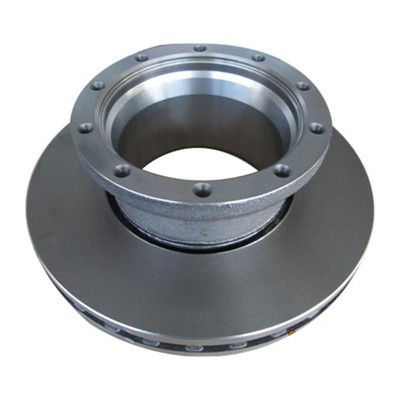
Some modern trains use disc brakes, which are similar to the ones in cars. In a disc brake system, there's a brake disc attached to the train axle. The brake pads are located on either side of the disc. When the brakes are applied, the calipers squeeze the brake pads against the disc, creating friction and slowing down the train.
Disc brakes offer several advantages over wheel - mounted brakes. They provide more consistent braking performance, especially in wet conditions. They also generate less wear on the wheels, which can save on maintenance costs in the long run.


Factors Affecting Train Brake Pad Performance
There are several factors that can affect the performance of train brake pads. One of the most important factors is the speed of the train. The faster the train is moving, the more kinetic energy it has, and the more heat is generated during braking. This means that the brake pads have to work harder to stop the train.
The weight of the train also plays a big role. Heavier trains require more braking force to slow down or stop. Brake pads need to be able to handle the extra load without losing their effectiveness.
The condition of the track can also impact brake pad performance. For example, if the track is wet or slippery, the friction between the wheels and the track is reduced. This can make it more difficult for the brake pads to stop the train, and the braking distance may increase.
Maintenance and Replacement of Train Brake Pads
Regular maintenance of train brake pads is essential to ensure their proper functioning. Train operators and maintenance crews need to inspect the brake pads regularly for wear and tear. If the brake pads are worn beyond a certain point, they need to be replaced.
Replacing train brake pads is a complex process that requires specialized equipment and trained personnel. The old brake pads are removed, and new ones are installed. After the replacement, the braking system needs to be tested to make sure it's working correctly.
Comparing Train Brake Pads with Car Brake Pads
While the basic principle of braking is the same for both trains and cars, there are some significant differences between train brake pads and car brake pads.
Train brake pads are much larger and heavier than car brake pads. They have to be able to handle the massive weight and high speeds of trains. Car brake pads, on the other hand, are designed for smaller vehicles with lower weights and speeds.
In terms of materials, as we mentioned earlier, train brake pads often use more heavy - duty materials to withstand the intense heat and pressure. Car brake pads come in a wider variety of options, including those for different types of cars like JAGUAR Brake Pads and Passenger Car Brake Pads.
Why Choose Our Brake Pads
As a brake pad supplier, we take pride in offering high - quality brake pads for trains. Our brake pads are made from the best materials and are designed to meet the strictest safety and performance standards.
We understand the unique requirements of the train industry, and our products are engineered to handle the challenges of high - speed, heavy - load braking. Whether you need semi - metallic or ceramic brake pads, we've got you covered.
If you're in the market for train brake pads, or if you have any questions about our products, don't hesitate to reach out. We're here to help you find the perfect brake pads for your trains. Let's start a conversation and see how we can work together to keep your trains running safely and efficiently.
References
- Railway Engineering Handbook, various editions
- Journal of Railway Technology and Safety
- Manufacturer's specifications for train brake systems