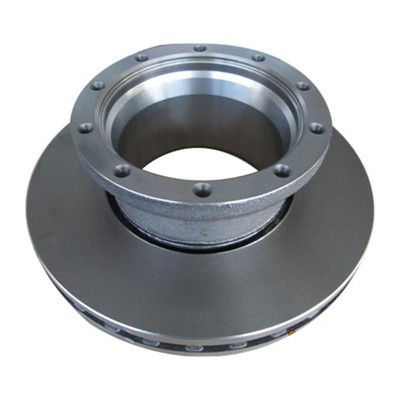
When it comes to the performance of a vehicle, fuel efficiency is a crucial factor that concerns both drivers and the automotive industry. While many people focus on engine technology, aerodynamics, and tire quality, the role of car brake discs in fuel efficiency is often overlooked. As a car brake disc supplier, I have witnessed firsthand how the right brake discs can have a significant impact on a vehicle's fuel consumption. In this blog, I will delve into the science behind how car brake discs affect fuel efficiency and explore the various factors at play.
The Basics of Brake Disc Function
Before we can understand how brake discs affect fuel efficiency, it's important to have a basic understanding of how they work. Brake discs, also known as rotors, are an essential part of a vehicle's braking system. When the driver presses the brake pedal, the brake calipers squeeze the brake pads against the brake discs, creating friction. This friction slows down the rotation of the wheels, ultimately bringing the vehicle to a stop.
Friction and Energy Loss
The process of braking involves converting the kinetic energy of the moving vehicle into heat energy through friction. While this is necessary for safe driving, it also results in energy loss. Every time the brakes are applied, a portion of the vehicle's energy is dissipated as heat, which means that more fuel is required to accelerate the vehicle back to its original speed. This is where the quality and design of the brake discs come into play.
Material and Design of Brake Discs
The material and design of brake discs can have a significant impact on their friction coefficient and heat dissipation properties. High-quality brake discs are typically made from materials such as cast iron, carbon ceramic, or a combination of both. These materials offer excellent heat resistance and friction characteristics, which can help to reduce energy loss during braking.
For example, carbon ceramic brake discs are known for their superior heat dissipation properties. They can withstand higher temperatures without warping or fading, which means that they can maintain consistent braking performance over a longer period of time. This not only improves safety but also reduces the amount of energy lost during braking, resulting in better fuel efficiency.

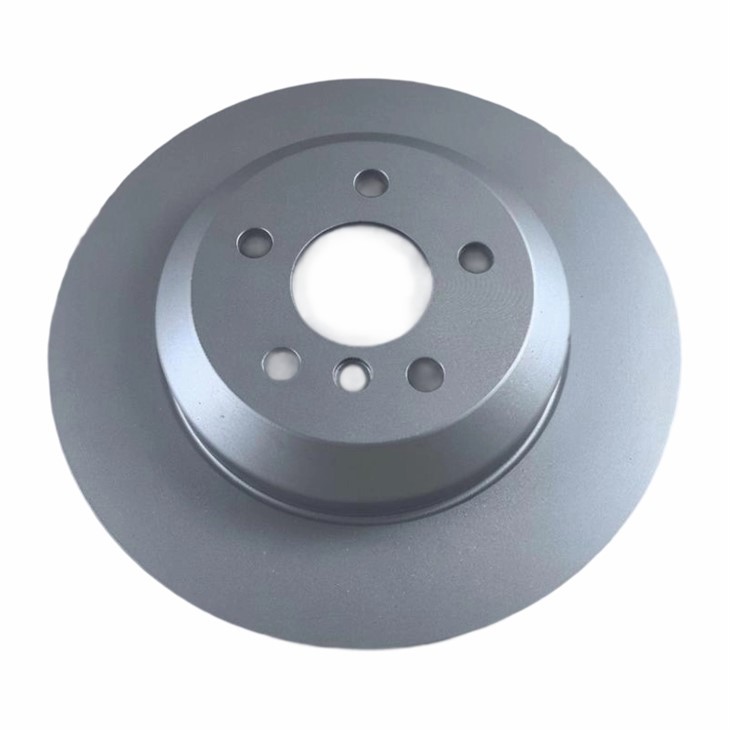
In addition to the material, the design of the brake discs can also affect their performance. Brake discs with a slotted or drilled design can improve ventilation and heat dissipation, which helps to reduce the temperature of the brake pads and discs. This can prevent brake fade and improve braking performance, while also reducing energy loss.
Weight and Rotational Inertia
Another factor that can affect fuel efficiency is the weight and rotational inertia of the brake discs. Heavier brake discs require more energy to rotate, which means that more fuel is needed to accelerate the vehicle. In addition, the rotational inertia of the brake discs can also affect the vehicle's handling and responsiveness.
As a car brake disc supplier, we offer a range of lightweight brake discs that are designed to reduce rotational inertia and improve fuel efficiency. These brake discs are typically made from materials such as aluminum or carbon fiber, which are lighter than traditional cast iron discs. By reducing the weight of the brake discs, we can help to improve the overall performance of the vehicle and reduce fuel consumption.
Maintenance and Wear
Proper maintenance and regular inspection of the brake discs are essential for ensuring optimal performance and fuel efficiency. Over time, brake discs can wear down due to friction and heat, which can affect their braking performance and increase energy loss. It's important to replace worn brake discs as soon as possible to prevent further damage to the braking system and to maintain fuel efficiency.
In addition to regular replacement, it's also important to keep the brake discs clean and free from debris. Dirt and debris can accumulate on the surface of the brake discs, which can reduce their friction coefficient and increase energy loss. By keeping the brake discs clean, we can help to ensure optimal performance and fuel efficiency.
The Impact of Different Brake Discs on Fuel Efficiency
To illustrate the impact of different brake discs on fuel efficiency, let's take a look at some examples. Suppose we have two identical vehicles, one equipped with standard cast iron brake discs and the other equipped with Modified Brake Disc. The vehicle with the modified brake discs is likely to have better fuel efficiency due to their superior heat dissipation properties and reduced weight.
Similarly, if we compare a vehicle with Chevy Brake Discs to a vehicle with BMW Brake Disc, we may find that the vehicle with the BMW brake discs has better fuel efficiency. This is because BMW brake discs are typically made from high-quality materials and are designed to provide optimal performance and fuel efficiency.
Conclusion
In conclusion, car brake discs play a crucial role in fuel efficiency. The material, design, weight, and maintenance of the brake discs can all affect their performance and energy loss during braking. By choosing high-quality brake discs that are designed to reduce energy loss and improve fuel efficiency, we can help to save money on fuel costs and reduce our environmental impact.
As a car brake disc supplier, we are committed to providing our customers with the highest quality brake discs that are designed to meet their specific needs and requirements. Whether you are looking for Modified Brake Disc, Chevy Brake Discs, or BMW Brake Disc, we have a wide range of options available to choose from.
If you are interested in learning more about our brake discs or would like to discuss your specific needs and requirements, please feel free to contact us. We would be happy to help you find the right brake discs for your vehicle and to provide you with the support and guidance you need to make an informed decision.
References
- Bosch, "Brake Discs: Function, Types, and Maintenance," Bosch Automotive Aftermarket, accessed [Date].
- SAE International, "The Impact of Brake System Design on Vehicle Fuel Efficiency," SAE Technical Paper Series, accessed [Date].
- Michelin, "How to Improve Fuel Efficiency," Michelin USA, accessed [Date].