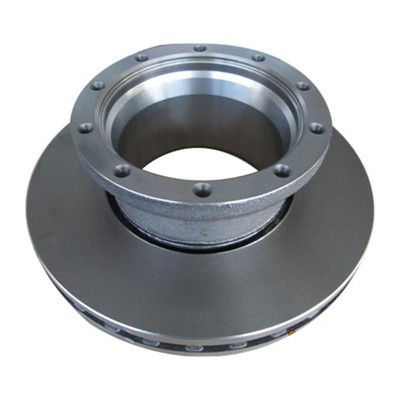
Car braking systems are crucial for vehicle safety, and among the key components are brake shoes and brake pads. As a car brake shoes supplier, I've witnessed firsthand the different applications and characteristics of these two braking elements. In this blog, I'll delve into a detailed comparison between car brake shoes and brake pads to help you understand their pros and cons, and how to make the right choice for your vehicle.
Structure and Working Principle
Brake Shoes
Brake shoes are typically found in drum brake systems. They are curved metal pieces lined with a friction material. When the brake pedal is pressed, the wheel cylinder pushes the brake shoes outward against the inner surface of the brake drum. This friction between the brake shoe lining and the drum slows down the rotation of the wheel, thereby stopping the vehicle. The design of brake shoes allows for a large surface area of contact with the drum, which can generate significant braking force.
For example, in older vehicles or some heavy - duty applications, drum brakes with brake shoes are still commonly used. The enclosed nature of the drum brake system protects the brake shoes from external contaminants to some extent, but it also traps heat, which can lead to reduced braking performance over time.
Brake Pads
Brake pads are used in disc brake systems. They are flat pieces of friction material attached to a metal backing plate. When the brake pedal is depressed, the caliper squeezes the brake pads against the rotating brake disc. The friction between the brake pads and the disc creates the braking force. Disc brakes are more exposed to the environment compared to drum brakes, but this also allows for better heat dissipation.
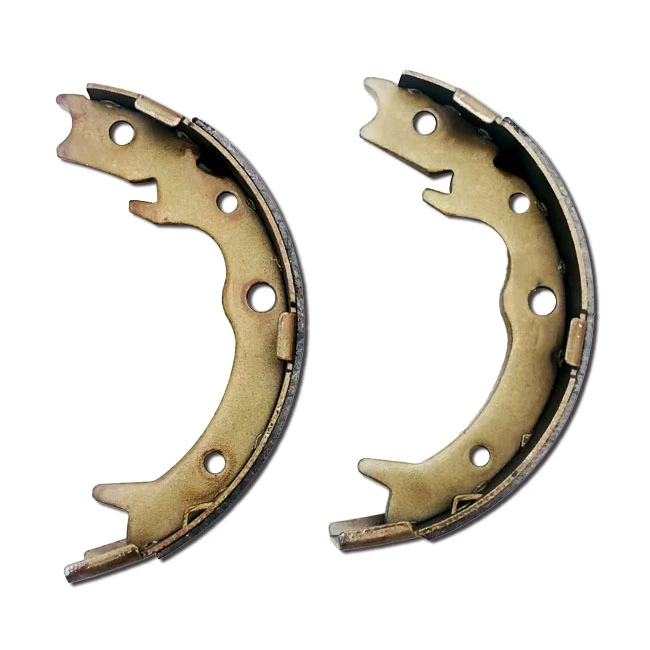

Modern cars, especially high - performance and most passenger vehicles, are predominantly equipped with disc brakes on the front wheels and often on all four wheels. The direct contact between the brake pads and the disc provides more immediate and precise braking control.
Performance
Braking Power
In terms of raw braking power, both brake shoes and brake pads can provide sufficient force to stop a vehicle. However, disc brakes with brake pads generally offer better initial bite and more consistent braking performance. The open design of disc brakes allows for better heat management, which means they are less likely to experience brake fade under heavy use.
Brake fade occurs when the braking system overheats, causing a reduction in the friction coefficient between the braking surface and the friction material. Brake shoes in drum brakes are more prone to brake fade because the heat is trapped inside the drum. For instance, during long - downhill drives or repeated hard braking, disc brakes with brake pads can maintain their performance better than drum brakes with brake shoes.
Durability
The durability of brake shoes and brake pads depends on several factors, including driving style, vehicle type, and the quality of the friction material. Generally, brake pads tend to last longer in normal driving conditions. The even distribution of pressure on the brake pads in a disc brake system results in more uniform wear.
Brake shoes in drum brakes may experience uneven wear due to the way the wheel cylinder applies pressure. Additionally, the enclosed environment of the drum can cause moisture and debris to accumulate, which may accelerate the wear of the brake shoes. However, in some light - duty applications or vehicles with less demanding braking requirements, brake shoes can still have a reasonable service life.
Cost
Initial Cost
In terms of initial cost, brake shoes are usually less expensive than brake pads. Drum brake systems are simpler in design and require fewer components compared to disc brake systems. This makes the overall cost of manufacturing and installing drum brakes with brake shoes lower.
If you're on a tight budget or looking for a cost - effective solution for a basic vehicle, drum brakes with brake shoes may be a more attractive option. However, it's important to consider the long - term costs as well.
Maintenance Cost
Maintenance costs can vary significantly between brake shoes and brake pads. Brake pads are generally easier to access and replace. In most cases, changing brake pads only requires removing the caliper and replacing the pads. This can often be done by a DIY enthusiast with basic tools.
On the other hand, replacing brake shoes in drum brakes is a more involved process. It requires removing the drum, which can be challenging, especially if the drum is corroded or stuck. Additionally, drum brakes may require more frequent adjustment to ensure proper braking performance. This means that over the long run, the maintenance cost of drum brakes with brake shoes can be higher.
Noise and Dust
Noise
Brake pads in disc brakes are more likely to produce noise, especially when they are worn or if there is a problem with the caliper or the brake hardware. Squealing or grinding noises can be a sign that the brake pads need to be replaced or that there is an issue with the braking system.
Brake shoes in drum brakes are generally quieter in normal operation. However, if the brake shoes are worn or if there is a problem with the drum or the wheel cylinder, they can also produce noise, such as a rattling or scraping sound.
Dust
Brake pads in disc brakes generate more dust compared to brake shoes in drum brakes. The friction material on brake pads wears down over time, creating fine dust particles that can accumulate on the wheels. This not only affects the appearance of the wheels but can also cause corrosion if not cleaned regularly.
Brake shoes in drum brakes produce less visible dust because the dust is mostly contained within the drum. However, the dust can still cause problems inside the drum, such as reduced braking performance or increased wear on the brake components.
Application
Vehicle Type
As mentioned earlier, different vehicle types have different preferences for brake shoes and brake pads. Most modern passenger cars, especially those with high - performance requirements, are equipped with disc brakes with brake pads on all four wheels. This is because disc brakes offer better performance, safety, and control.
On the other hand, some older vehicles, light trucks, and trailers may still use drum brakes with brake shoes, especially on the rear wheels. The lower cost and sufficient braking power for these applications make drum brakes a viable option.
Driving Conditions
For drivers who frequently encounter heavy traffic or drive in mountainous areas, disc brakes with brake pads are a better choice. The ability to handle high - temperature conditions and provide consistent braking performance is crucial in these situations.
Drivers in less demanding driving conditions, such as those who mainly drive in urban areas with light traffic, may find that drum brakes with brake shoes are sufficient for their needs. However, it's important to note that even in these cases, the trend is towards more widespread use of disc brakes.
Our Products
As a car brake shoes supplier, we offer a wide range of high - quality brake shoes for various vehicle models. Our BMW Rear Brake Shoes are specifically designed to meet the performance requirements of BMW vehicles. They are made from premium friction materials that provide excellent braking power and durability.
We also supply Handbrake Pad and Rear Brake Shoes for different makes and models. Our products are rigorously tested to ensure they meet or exceed industry standards.
Conclusion
In conclusion, both car brake shoes and brake pads have their own advantages and disadvantages. Brake shoes in drum brakes are cost - effective and suitable for some light - duty applications, while brake pads in disc brakes offer better performance, durability, and heat management. The choice between the two depends on various factors, including vehicle type, driving conditions, and budget.
If you're in the market for high - quality car brake shoes, we invite you to contact us for procurement and further discussions. Our team of experts is ready to assist you in finding the right braking solution for your needs.
References
- SAE International - Society of Automotive Engineers, "Automotive Brake System Design and Analysis"
- Bosch Automotive Handbook, "Brake Systems"
- Chilton's Automotive Repair Manuals, "Brake System Repairs"