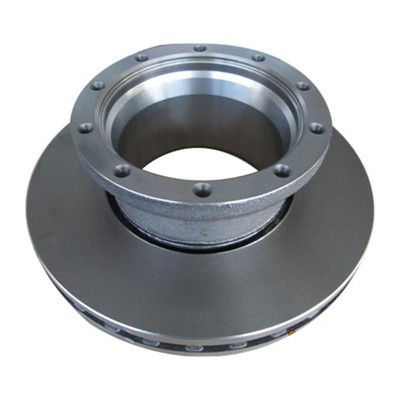
Balancing car brake shoes is a crucial aspect of ensuring optimal vehicle safety and performance. As a supplier of high - quality car brake shoes, I've witnessed firsthand the importance of this process and the impact it has on the overall braking system. In this blog, I'll share my insights on how to balance car brake shoes effectively.


Understanding the Basics of Car Brake Shoes
Before delving into the balancing process, it's essential to understand what car brake shoes are and how they function. Brake shoes are a key component of a drum brake system. When the brake pedal is pressed, hydraulic pressure forces the brake shoes against the inner surface of the brake drum, creating friction that slows down or stops the vehicle.
The efficiency of the braking system depends on the proper functioning of the brake shoes. Uneven wear, improper installation, or misalignment can lead to reduced braking performance, increased stopping distances, and even safety hazards. That's why balancing car brake shoes is so important.
Factors Affecting Brake Shoe Balance
Several factors can affect the balance of car brake shoes. One of the primary factors is wear. Over time, brake shoes naturally wear down as they come into contact with the brake drum. However, if the wear is uneven, it can cause the braking force to be distributed unevenly across the wheels. This can lead to pulling to one side when braking, which is not only uncomfortable for the driver but also dangerous.
Another factor is the quality of the brake shoes themselves. Inferior quality brake shoes may have inconsistencies in their material composition or manufacturing process, which can result in uneven braking performance. As a supplier, I always ensure that the brake shoes we offer are made from high - quality materials and are manufactured to strict standards to minimize these issues.
Installation also plays a significant role in brake shoe balance. If the brake shoes are not installed correctly, they may not make proper contact with the brake drum. This can lead to reduced braking efficiency and uneven wear. It's crucial to follow the manufacturer's installation instructions carefully and use the appropriate tools.
Steps to Balance Car Brake Shoes
- Inspection: The first step in balancing car brake shoes is to conduct a thorough inspection. Remove the wheels and the brake drums to access the brake shoes. Check for signs of wear, such as uneven thickness or scoring on the surface of the brake shoes. Also, inspect the brake drums for any damage or excessive wear. If the brake drums are worn beyond the manufacturer's specifications, they may need to be resurfaced or replaced.
- Measurement: Use a micrometer or a brake shoe gauge to measure the thickness of the brake shoes at multiple points. Compare the measurements to ensure that the wear is within acceptable limits. If the difference in thickness between the brake shoes on the same axle is significant, it may be necessary to replace the worn - out brake shoes.
- Cleaning: Clean the brake shoes and the brake drums thoroughly. Remove any dirt, debris, or brake dust that may have accumulated on the surfaces. This will ensure proper contact between the brake shoes and the brake drums and improve the overall braking performance.
- Adjustment: If the brake shoes are not adjusted correctly, it can lead to uneven braking. Most drum brake systems have an adjustment mechanism that allows you to adjust the clearance between the brake shoes and the brake drums. Follow the manufacturer's instructions to adjust the brake shoes until the proper clearance is achieved.
- Testing: After the inspection, measurement, cleaning, and adjustment, it's time to test the brakes. Reinstall the wheels and the brake drums, and then take the vehicle for a test drive. Pay attention to how the vehicle brakes. If there is any pulling to one side or if the braking feels uneven, further adjustments may be necessary.
Importance of Balanced Brake Shoes for Different Types of Vehicles
Balanced brake shoes are essential for all types of vehicles, but they are particularly important for high - performance vehicles and heavy - duty vehicles. High - performance vehicles often require precise braking control to handle high speeds and rapid deceleration. Unbalanced brake shoes can compromise the vehicle's ability to stop quickly and safely, putting the driver and passengers at risk.
Heavy - duty vehicles, such as trucks and buses, carry a significant amount of weight. This means that the braking system has to work harder to slow down or stop the vehicle. Balanced brake shoes ensure that the braking force is distributed evenly across all the wheels, reducing the stress on the braking system and improving overall safety.
Our Product Range
As a supplier, we offer a wide range of car brake shoes to meet the needs of different vehicles. For those looking for Rear Brake Shoes, we have a selection of high - quality options that are designed to provide reliable braking performance. Our Handbrake Pad is also a popular choice, offering excellent grip and durability. And for BMW owners, our BMW Rear Brake Shoes are specifically engineered to fit the unique requirements of BMW vehicles.
Conclusion
Balancing car brake shoes is a critical process that ensures the safety and performance of vehicles. By understanding the factors that affect brake shoe balance and following the proper steps to balance them, we can help drivers avoid dangerous situations on the road. As a supplier, I'm committed to providing high - quality brake shoes and sharing my knowledge to promote safe driving.
If you're in the market for car brake shoes or have any questions about brake shoe balance, I encourage you to reach out. We're here to assist you in finding the right brake shoes for your vehicle and ensuring that they are installed and balanced correctly. Contact us today to start a discussion about your brake shoe needs.
References
- Automotive Brake Systems Handbook, Third Edition by John C. Dixon
- Brake Shoe Manufacturing and Quality Control Guidelines, Industry Standard Publication