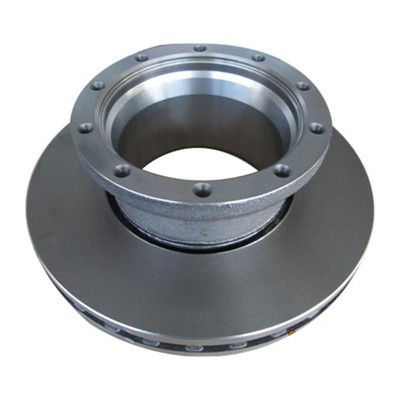
How do I check the thickness of my Ford brake discs?
As a trusted Ford Brake Discs supplier, I understand the importance of maintaining the optimal performance of your vehicle's braking system. One crucial aspect of brake maintenance is regularly checking the thickness of your brake discs. In this blog post, I'll guide you through the process of checking the thickness of Ford brake discs, explain why it's essential, and provide some tips on when to replace them.
Why Checking Brake Disc Thickness Matters
Brake discs play a vital role in your vehicle's braking system. When you press the brake pedal, the brake pads clamp down on the brake discs, creating friction that slows down and stops your vehicle. Over time, the constant friction causes the brake discs to wear down. If the brake discs become too thin, they may not be able to dissipate heat effectively, leading to reduced braking performance, increased stopping distances, and even brake failure in extreme cases.
Regularly checking the thickness of your brake discs allows you to identify potential issues early on and take appropriate action. By replacing worn brake discs before they reach a critical thickness, you can ensure the safety and reliability of your vehicle's braking system.
Tools You'll Need
Before you start checking the thickness of your Ford brake discs, you'll need a few tools:
- Brake disc micrometer: This is a specialized tool designed to measure the thickness of brake discs accurately. You can purchase a brake disc micrometer from an auto parts store or online.
- Jack and jack stands: You'll need to lift your vehicle off the ground to access the brake discs. Make sure you use a high-quality jack and jack stands to ensure your safety.
- Wheel chocks: Place wheel chocks behind the wheels that are not being lifted to prevent the vehicle from rolling.
Step-by-Step Guide to Checking Brake Disc Thickness
- Prepare your vehicle: Park your vehicle on a level surface and engage the parking brake. Place wheel chocks behind the wheels that are not being lifted.
- Lift the vehicle: Use a jack to lift the vehicle off the ground and support it with jack stands. Make sure the vehicle is stable before proceeding.
- Remove the wheel: Use a lug wrench to remove the lug nuts from the wheel and carefully remove the wheel.
- Locate the brake disc: The brake disc is the large, circular metal component behind the wheel. It's attached to the wheel hub and rotates with the wheel.
- Clean the brake disc: Use a clean cloth to remove any dirt, debris, or brake dust from the surface of the brake disc. This will ensure accurate measurements.
- Measure the brake disc thickness: Use a brake disc micrometer to measure the thickness of the brake disc at several points around the circumference. Make sure you measure the thickness at the outermost edge of the brake disc, where the brake pads make contact.
- Compare the measurements to the manufacturer's specifications: Refer to your vehicle's owner's manual or the manufacturer's specifications to determine the minimum allowable thickness for your brake discs. If the measured thickness is below the minimum specification, it's time to replace the brake discs.
- Repeat the process for the other wheels: Once you've checked the thickness of one brake disc, repeat the process for the other wheels on your vehicle.
- Reinstall the wheel: After you've finished checking the brake disc thickness, carefully reinstall the wheel and tighten the lug nuts to the manufacturer's specifications.
- Lower the vehicle: Use the jack to lower the vehicle back to the ground and remove the jack stands and wheel chocks.
When to Replace Your Ford Brake Discs
In addition to checking the thickness of your brake discs, there are several other signs that indicate it's time to replace them:


- Warped or uneven brake discs: If you notice a pulsation or vibration in the steering wheel or brake pedal when you apply the brakes, it could be a sign of warped or uneven brake discs. Warped brake discs can cause uneven braking performance and increased wear on the brake pads.
- Excessive brake noise: If you hear a squealing, grinding, or rattling noise when you apply the brakes, it could be a sign of worn brake discs or brake pads. Excessive brake noise can also indicate a problem with the brake calipers or other components of the braking system.
- Reduced braking performance: If you notice that your vehicle takes longer to stop or requires more force to apply the brakes, it could be a sign of worn brake discs or brake pads. Reduced braking performance can be dangerous and should be addressed immediately.
- Visible damage or wear: If you notice any visible damage or wear on the surface of the brake discs, such as cracks, grooves, or scoring, it's time to replace them. Visible damage or wear can affect the performance of the brake discs and increase the risk of brake failure.
Tips for Maintaining Your Ford Brake Discs
To extend the life of your Ford brake discs and ensure optimal performance, follow these tips:
- Drive carefully: Avoid sudden stops and starts, and try to maintain a consistent speed. Aggressive driving can cause excessive wear on the brake discs and brake pads.
- Use high-quality brake pads: Invest in high-quality brake pads that are designed for your vehicle. High-quality brake pads can provide better braking performance and last longer than cheap, low-quality brake pads.
- Keep your brakes clean: Regularly clean your brakes to remove any dirt, debris, or brake dust. This will help prevent corrosion and wear on the brake discs and brake pads.
- Have your brakes inspected regularly: Have your brakes inspected by a qualified mechanic at least once a year or more often if you notice any signs of problems. A qualified mechanic can check the thickness of your brake discs, inspect the brake pads and calipers, and identify any potential issues before they become serious.
Conclusion
Checking the thickness of your Ford brake discs is an important part of maintaining the safety and reliability of your vehicle's braking system. By following the steps outlined in this blog post and regularly inspecting your brakes, you can ensure that your brake discs are in good condition and replace them when necessary.
If you're in the market for high-quality Ford brake discs, look no further. As a leading Ford Brake Discs supplier, we offer a wide range of brake discs that are designed to meet the highest standards of quality and performance. Our brake discs are made from premium materials and are precision-engineered to provide excellent braking performance and durability.
Whether you're looking for Toyota Floating Carbon BrakeDiscs, Modified Brake Disc, or Mercedes Brake Disc, we have the right solution for you. Contact us today to learn more about our products and services and to discuss your specific needs. We look forward to working with you!
References
- Ford Motor Company. (Year). Owner's Manual.
- Brake Disc Manufacturer. (Year). Product Specifications.