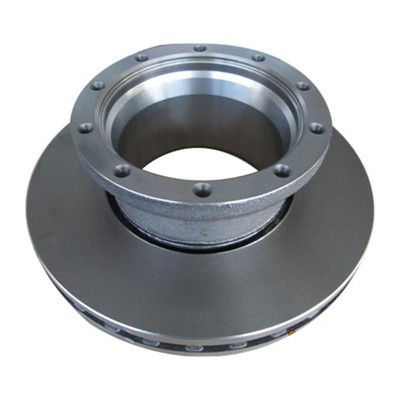
When it comes to replacing truck brake pads, one crucial step that often gets overlooked is cleaning the caliper. As a trusted supplier of Heavy Duty Truck Brake Pads, Truck Brake Linings, and Volvo Truck Brake Pads, I understand the importance of maintaining the caliper to ensure optimal braking performance. In this blog post, I'll share my insights on how to effectively clean the caliper when replacing truck brake pads.
Why Clean the Caliper?
The caliper is a vital component of the braking system. It houses the brake pads and uses hydraulic pressure to squeeze them against the brake rotor, creating the friction needed to slow down or stop the truck. Over time, the caliper can accumulate dirt, debris, rust, and old brake fluid. This buildup can lead to several issues:
- Reduced Braking Efficiency: Dirt and debris can prevent the caliper pistons from moving freely, resulting in uneven brake pad wear and reduced braking force.
- Premature Brake Pad Wear: A dirty caliper can cause the brake pads to wear unevenly, shortening their lifespan and increasing the frequency of replacements.
- Corrosion: Rust and moisture can corrode the caliper, leading to leaks and potential failure of the braking system.
By cleaning the caliper during brake pad replacement, you can prevent these issues and ensure that your truck's braking system operates at its best.
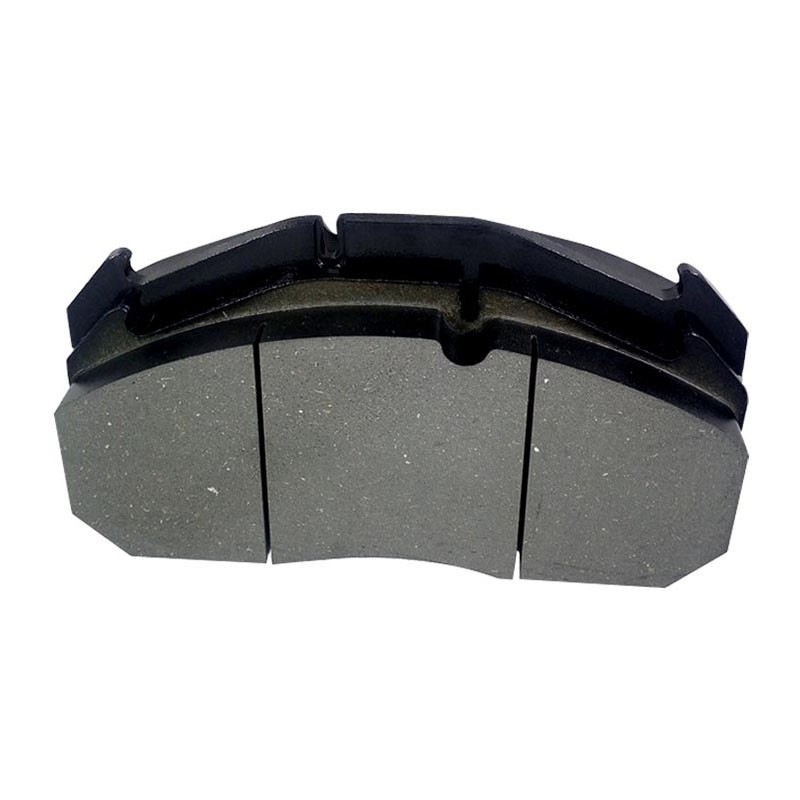

Tools and Materials Needed
Before you start cleaning the caliper, gather the following tools and materials:
- Socket Set: To remove the caliper bolts and other components.
- Caliper Piston Compression Tool: To retract the caliper pistons.
- Brake Cleaner: A high-quality brake cleaner is essential for removing dirt, grease, and old brake fluid.
- Wire Brush: To scrub away rust and debris from the caliper surface.
- Compressed Air: To blow out any remaining dirt and debris from the caliper.
- Clean Rags or Paper Towels: For wiping down the caliper and drying it after cleaning.
- Brake Lubricant: To lubricate the caliper slide pins and other moving parts.
Step-by-Step Guide to Cleaning the Caliper
Step 1: Prepare the Truck
- Park the Truck: Make sure the truck is parked on a level surface and engage the parking brake.
- Chock the Wheels: Place wheel chocks in front of and behind the wheels on the opposite side of the truck from where you'll be working to prevent the truck from rolling.
- Remove the Wheel: Use a socket set to remove the lug nuts and take off the wheel.
Step 2: Remove the Caliper
- Locate the Caliper Bolts: The caliper is usually held in place by two bolts. Use a socket set to remove these bolts.
- Remove the Caliper: Carefully lift the caliper off the brake rotor. Be careful not to damage the brake line attached to the caliper. You can hang the caliper from the suspension using a piece of wire or a bungee cord to prevent it from putting stress on the brake line.
Step 3: Retract the Caliper Pistons
- Use the Compression Tool: Insert the caliper piston compression tool into the caliper and turn it slowly to retract the pistons. This will make it easier to install the new brake pads.
- Be Careful: As you retract the pistons, some old brake fluid may be forced out of the caliper. Make sure to catch the fluid with a rag or a container to prevent it from spilling on the ground or other components.
Step 4: Clean the Caliper
- Spray with Brake Cleaner: Spray the caliper generously with brake cleaner, focusing on the areas with dirt, grease, and old brake fluid. Let the brake cleaner soak in for a few minutes to loosen the buildup.
- Scrub with a Wire Brush: Use a wire brush to scrub the caliper surface, paying special attention to the areas around the pistons, slide pins, and mounting brackets. This will help remove any rust and debris.
- Blow Out with Compressed Air: Use compressed air to blow out any remaining dirt and debris from the caliper. Make sure to blow out all the holes and channels in the caliper.
- Wipe Down with a Clean Rag: Use a clean rag or paper towel to wipe down the caliper and remove any remaining brake cleaner and dirt.
Step 5: Inspect the Caliper
While the caliper is clean, take a close look at it for any signs of damage or wear:
- Check the Pistons: Make sure the pistons are in good condition and move freely. Look for any signs of corrosion, scoring, or damage.
- Inspect the Slide Pins: Check the slide pins for wear and make sure they are lubricated. If the slide pins are damaged or worn, they should be replaced.
- Look for Leaks: Check the caliper for any signs of brake fluid leaks. If you notice any leaks, the caliper may need to be repaired or replaced.
Step 6: Lubricate the Moving Parts
- Apply Brake Lubricant: Apply a thin layer of brake lubricant to the caliper slide pins, piston seals, and other moving parts. This will help ensure smooth operation and prevent corrosion.
- Be Careful: Do not get brake lubricant on the brake pads or the brake rotor, as this can reduce braking efficiency.
Step 7: Reinstall the Caliper
- Position the Caliper: Place the caliper back on the brake rotor and align it with the mounting holes.
- Install the Caliper Bolts: Use a socket set to tighten the caliper bolts to the manufacturer's specifications.
- Reattach the Brake Line: Make sure the brake line is securely attached to the caliper and that there are no leaks.
Step 8: Reinstall the Wheel
- Put the Wheel Back On: Place the wheel back on the hub and hand-tighten the lug nuts.
- Lower the Truck: Use a jack to lower the truck to the ground.
- Tighten the Lug Nuts: Use a torque wrench to tighten the lug nuts to the manufacturer's recommended torque.
Tips and Precautions
- Work in a Well-Ventilated Area: Brake cleaner contains chemicals that can be harmful if inhaled. Make sure you work in a well-ventilated area or wear a respirator.
- Follow Safety Procedures: Always wear safety glasses and gloves when working on the braking system to protect yourself from injury.
- Use the Right Tools: Using the correct tools will make the job easier and safer. Make sure you have all the necessary tools before you start.
- Follow the Manufacturer's Instructions: Different trucks may have different procedures for cleaning and replacing brake pads. Always follow the manufacturer's instructions for your specific truck.
Conclusion
Cleaning the caliper when replacing truck brake pads is an important step that can help ensure the longevity and performance of your truck's braking system. By following the steps outlined in this blog post, you can effectively clean the caliper and prevent issues such as reduced braking efficiency, premature brake pad wear, and corrosion.
As a leading supplier of Heavy Duty Truck Brake Pads, Truck Brake Linings, and Volvo Truck Brake Pads, we are committed to providing high-quality products and expert advice to our customers. If you have any questions about cleaning the caliper or need help selecting the right brake pads for your truck, please don't hesitate to contact us. We look forward to assisting you with your brake pad needs and helping you keep your truck's braking system in top condition.
References
- Automotive Service Excellence (ASE) Certification Materials
- Truck Manufacturer's Service Manuals