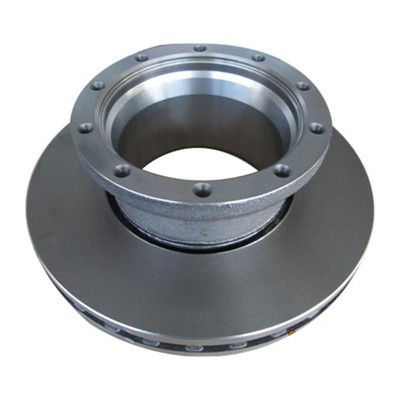
Hey there, car enthusiasts! If you're reading this, chances are you've run into the pesky problem of a warped brake drum related to your car brake shoes. As a car brake shoes supplier, I've seen this issue pop up more times than I can count. So, let's dive right in and figure out how to fix it.
First things first, let's understand why a brake drum gets warped in the first place. There are a few common reasons. One major culprit is overheating. When you're constantly braking, like in stop - and - go traffic or during aggressive driving, a ton of heat gets generated. This excessive heat can cause the metal in the brake drum to expand and contract unevenly. Over time, this repeated cycle of expansion and contraction leads to warping.
Another reason could be uneven wear of the brake shoes. If the brake shoes aren't making even contact with the brake drum, it can create hot spots. These hot spots cause the drum to warp in those specific areas. And let's not forget about poor installation. If the brake shoes aren't installed correctly, it can put uneven pressure on the drum, leading to warping down the line.
Now, let's talk about how to spot a warped brake drum. One of the most obvious signs is a pulsating or vibrating feeling when you step on the brakes. You might also notice a strange noise, like a grinding or squealing sound. Sometimes, the car might pull to one side when you brake, which is a clear indication that something's off with the braking system.
So, how do we fix this issue? The first step is to inspect the brake drum. You'll need to remove the wheel to get a good look at it. Once you've got access to the drum, check for any visible signs of warping, like uneven wear or discoloration. You can also use a micrometer to measure the thickness of the drum at different points. If the measurements vary significantly, then you've got a warped drum.
If the warping is minor, you might be able to resurface the brake drum. Resurfacing involves using a lathe to remove a thin layer of metal from the drum's surface. This helps to create a smooth and even surface for the brake shoes to make contact with. However, there's a limit to how much you can resurface a drum. Each drum has a minimum thickness specification, and if you go below that, you'll need to replace the drum.
When it comes to replacing the brake shoes, it's crucial to choose high - quality ones. At our supply, we offer a wide range of brake shoes, including BMW Rear Brake Shoes and Rear Brake Shoes. These are designed to fit perfectly and provide optimal braking performance.
Installing new brake shoes is a bit of a process, but it's definitely doable with the right tools and a bit of patience. First, you'll need to remove the old brake shoes. This usually involves taking off the retaining clips and springs. Once the old shoes are out, clean the brake drum and the backing plate thoroughly. Make sure there's no dirt, debris, or old brake lining material left behind.
Next, install the new brake shoes. Start by attaching the springs and clips in the correct order. Make sure the shoes are properly aligned with the brake drum and the backing plate. You might need to adjust the position of the shoes slightly to ensure even contact with the drum. Once the shoes are in place, double - check all the connections and make sure everything is secure.
After installing the new brake shoes, you'll need to adjust them. This is important to ensure that the brakes work correctly. Most brake shoes have an adjustment mechanism, which can usually be accessed through a hole in the backing plate. Use a brake adjustment tool to turn the adjuster until the shoes just barely touch the drum. You should be able to rotate the drum by hand, but there should be a slight drag.
Now, let's talk about the handbrake. The handbrake system is also an important part of your car's braking system. If you're experiencing issues with the handbrake, it could be related to the Handbrake Pad. Over time, the handbrake pad can wear out, which can affect the performance of the handbrake.
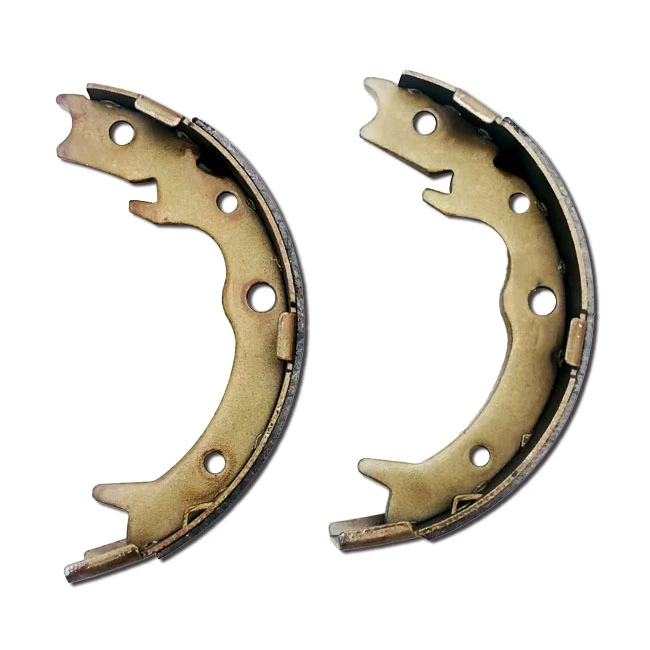

To check the handbrake pad, you'll need to remove the rear wheels and access the handbrake mechanism. Inspect the pad for any signs of wear, like thinning or damage. If the pad is worn out, you'll need to replace it. Replacing the handbrake pad is similar to replacing the brake shoes. You'll need to remove the old pad, clean the area, and install the new pad.
Once you've fixed the warped brake drum and replaced the brake shoes and handbrake pad if necessary, it's time to test the brakes. Before you hit the road, make sure to pump the brake pedal a few times to build up pressure in the system. Then, take the car for a short test drive in a safe area. Pay close attention to how the brakes feel. The pedal should feel firm, and there should be no pulsating or vibrating. If everything feels good, then you've successfully fixed the warped brake drum.
In conclusion, dealing with a warped brake drum related to car brake shoes can be a bit of a hassle, but it's definitely manageable. By following these steps and using high - quality brake shoes and parts, you can get your car's braking system back in top shape.
If you're in the market for car brake shoes or any other braking system parts, don't hesitate to reach out. We're here to help you find the right products for your car and ensure that your braking system is safe and reliable. Contact us for more information and to start a procurement discussion.
References
- "Automotive Brakes Manual" - A comprehensive guide on car braking systems.
- "How Car Brakes Work" - An online resource that explains the basics of car brakes.