Installing brake shoe hold - down springs is a crucial task when it comes to maintaining and repairing a vehicle's braking system. As a brake shoes supplier, I have seen firsthand the importance of proper installation for ensuring the safety and functionality of the brakes. In this blog, I'll guide you through the process of installing brake shoe hold - down springs step by step.
Understanding the Role of Brake Shoe Hold - Down Springs
Before we dive into the installation process, it's essential to understand what brake shoe hold - down springs do. These springs are designed to keep the brake shoes in place against the backing plate. They ensure that the brake shoes are properly aligned and held firmly, which is vital for the efficient transfer of braking force. Without these springs, the brake shoes could move around, leading to uneven braking, reduced stopping power, and potentially dangerous situations on the road.
Tools and Materials You'll Need
- Socket and wrench set: To remove and install various components of the braking system.
- Brake spring pliers: These are specifically designed to handle the tension of the brake shoe hold - down springs.
- New brake shoe hold - down springs: Make sure to choose high - quality springs that are compatible with your vehicle's make and model. You can find a wide range of brake shoes and related components from us, a trusted brake shoes supplier.
- Brake cleaner: To clean the backing plate and other components before installation.
- Safety glasses and gloves: To protect yourself from any debris or sharp edges.
Step 1: Prepare the Vehicle
First, ensure that the vehicle is parked on a flat, stable surface and the parking brake is engaged. Loosen the lug nuts on the wheel that corresponds to the brake you'll be working on, but don't remove them completely yet. Then, use a jack to lift the vehicle and place jack stands under the appropriate lifting points. Once the vehicle is secure on the jack stands, remove the lug nuts and the wheel.
Step 2: Remove the Old Brake Shoes and Hold - Down Springs
Locate the brake drum. You may need to clean the area around it with brake cleaner to remove any dirt or grime. Once the area is clean, use a socket or wrench to remove the bolts holding the brake drum in place. Carefully pull the brake drum off. You should now have access to the brake shoes and the hold - down springs.
Use the brake spring pliers to compress the hold - down springs. This will release the tension, allowing you to remove the springs from the brake shoes and the backing plate. Be careful when handling the springs, as they are under high tension and can snap back suddenly if not properly controlled. After removing the hold - down springs, remove the old brake shoes from the backing plate.
Step 3: Clean the Backing Plate
Use brake cleaner to thoroughly clean the backing plate. Remove any rust, dirt, or brake dust that has accumulated on the plate. This will ensure a clean surface for the new brake shoes and hold - down springs to be installed. Wipe the backing plate dry with a clean cloth.
Step 4: Install the New Brake Shoe Hold - Down Springs
Take one of the new hold - down springs and position it on the backing plate. Use the brake spring pliers to compress the spring and align it with the holes in the backing plate and the brake shoe. Carefully release the tension on the pliers, allowing the spring to seat properly in place. Repeat this process for all the hold - down springs on the brake assembly.
Step 5: Install the New Brake Shoes
Once the hold - down springs are in place, position the new brake shoes on the backing plate. Make sure that the brake shoes are properly aligned with the hold - down springs and the other components of the braking system. The brake shoes should fit snugly against the backing plate and be held firmly in place by the hold - down springs.
Step 6: Reinstall the Brake Drum
After the brake shoes and hold - down springs are installed, carefully place the brake drum back onto the brake assembly. Align the holes in the brake drum with the bolts on the backing plate and use a socket or wrench to tighten the bolts. Make sure the brake drum is installed evenly and securely.
Step 7: Reinstall the Wheel
Put the wheel back onto the hub and hand - tighten the lug nuts. Lower the vehicle from the jack stands using the jack and then use a torque wrench to tighten the lug nuts to the manufacturer's recommended torque specification.
Step 8: Test the Brakes
Before driving the vehicle, pump the brake pedal several times to build up pressure in the braking system. Then, take the vehicle for a short test drive in a safe area. Pay attention to how the brakes feel and make sure there are no unusual noises or vibrations. If everything seems normal, your brake shoe hold - down spring installation was successful.
Related Products
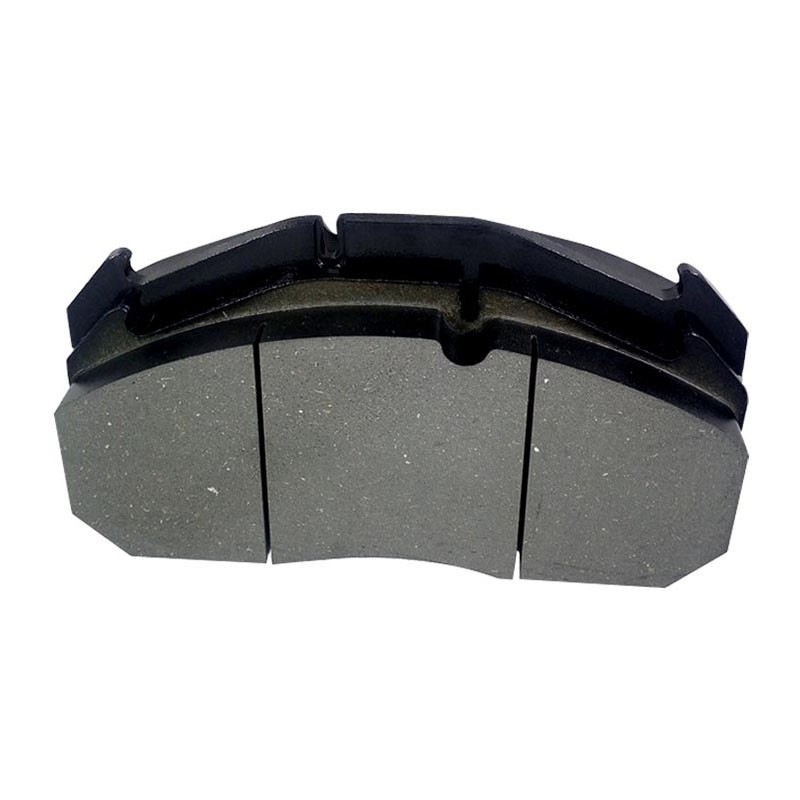
If you're also interested in other automotive components, we recommend checking out our Marine Spark Plug for marine engines. For those who own Volvo trucks, our Volvo Truck Brake Pads are a great choice. And for heavy - duty truck owners, our Heavy Duty Truck Brake Pads provide reliable braking performance.
Contact Us for Purchasing
As a leading brake shoes supplier, we offer high - quality brake shoes and related components at competitive prices. If you have any questions about our products or need assistance with your brake system installation, please don't hesitate to contact us. We're here to help you ensure the safety and performance of your vehicle's braking system. Whether you're a professional mechanic or a DIY enthusiast, we have the products and expertise you need.

References
- "Automotive Brake Systems" by James D. Halderman
- "Brake Handbook" by Brake & Front End Magazine