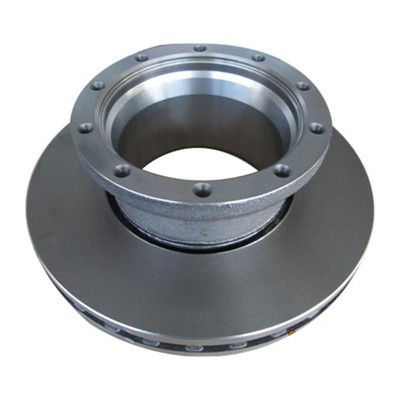
Installing HOLDEN brake pads on a rear wheel is a task that, with the right knowledge and tools, can be accomplished by many DIY enthusiasts. As a HOLDEN Brake Pads supplier, I've seen firsthand the importance of proper installation for optimal performance and safety. In this blog, I'll guide you through the step - by - step process of installing HOLDEN brake pads on a rear wheel.
Tools and Materials You'll Need
Before you start the installation process, gather the following tools and materials:
- A set of HOLDEN brake pads (of course, we offer high - quality ones as a supplier).
- A jack and jack stands to lift and support the vehicle safely.
- A lug wrench to remove the wheel.
- A C - clamp or brake caliper piston tool to retract the caliper piston.
- A flat - tip screwdriver to remove the caliper bolts.
- A torque wrench to tighten the bolts to the correct specifications.
- Brake cleaner to clean the caliper and other components.
- Anti - seize compound to prevent corrosion.
Safety First
Safety should always be your top priority when working on your vehicle. Park your HOLDEN on a flat, stable surface and engage the parking brake. Apply wheel chocks to the front wheels if you're working on the rear wheels. This will prevent the vehicle from rolling while you're under it.
Step 1: Loosen the Lug Nuts
Use the lug wrench to loosen the lug nuts on the rear wheel you're working on. Do not remove them completely at this stage. Just loosen them enough so that they can be easily removed later when the wheel is off the ground.
Step 2: Lift the Vehicle
Position the jack under the designated lifting point of your HOLDEN. Refer to your vehicle's owner's manual to find the correct lifting point. Slowly pump the jack until the rear wheel is about 6 - 8 inches off the ground. Then, place the jack stands under the vehicle's frame near the lifting point. Lower the vehicle onto the jack stands for added stability.
Step 3: Remove the Wheel
Once the vehicle is safely supported on the jack stands, remove the lug nuts completely and take off the rear wheel. Place the wheel flat on the ground, with the hub facing up, to prevent any damage.
Step 4: Locate and Remove the Caliper
The caliper is the part that houses the brake pads and squeezes them against the brake rotor. Locate the caliper on the rear wheel assembly. You'll notice two bolts that hold the caliper in place. Use a flat - tip screwdriver to remove these bolts.
Once the bolts are removed, carefully lift the caliper off the brake rotor. Be careful not to let the caliper hang by the brake hose, as this can damage the hose. You can use a piece of wire or a bungee cord to suspend the caliper from the vehicle's frame.
Step 5: Remove the Old Brake Pads
With the caliper removed, you can easily access the old brake pads. They are held in place by clips or springs. Remove these clips or springs and take out the old brake pads. Inspect the brake rotor for any signs of damage, such as grooves or excessive wear. If the rotor is damaged, it may need to be resurfaced or replaced.
Step 6: Clean the Caliper and Components
Use brake cleaner to clean the caliper, caliper bracket, and other components. Spray the cleaner on a clean cloth or directly on the parts and wipe them down. This will remove any dirt, grease, or brake dust that could affect the performance of the new brake pads.
Step 7: Retract the Caliper Piston
Before installing the new brake pads, you need to retract the caliper piston. This is necessary because the new brake pads are thicker than the old ones. You can use a C - clamp or a brake caliper piston tool for this task. Place the tool against the piston and slowly turn the handle to push the piston back into the caliper housing.
Step 8: Install the New Brake Pads
Take the new HOLDEN brake pads and apply a small amount of anti - seize compound to the back of the pads where they will contact the caliper. This will prevent corrosion and ensure smooth operation. Then, place the new brake pads into the caliper bracket, making sure they are properly seated.
Step 9: Reinstall the Caliper
Carefully place the caliper back over the brake rotor and the new brake pads. Insert the caliper bolts and tighten them with a torque wrench to the specifications recommended in your vehicle's owner's manual. This is crucial for proper braking performance and safety.


Step 10: Reinstall the Wheel
Put the rear wheel back onto the hub and hand - tighten the lug nuts. Make sure the wheel is centered properly. Then, lower the vehicle off the jack stands using the jack. Once the vehicle is back on the ground, use the torque wrench to tighten the lug nuts to the correct torque specification.
Step 11: Test the Brakes
Before you drive your HOLDEN, pump the brake pedal a few times to build up pressure in the brake system. This will ensure that the new brake pads are properly seated against the brake rotor. Then, take your vehicle for a short test drive in a safe area. Test the brakes at low speeds to make sure they are working properly.
Why Choose Our HOLDEN Brake Pads?
As a HOLDEN Brake Pads supplier, we offer a wide range of high - quality brake pads. Our brake pads are designed to provide excellent stopping power, reduced noise, and long - lasting performance. We also offer different types of brake pads, such as Ceramic Brake Pads, which are known for their low dust production and smooth braking experience.
In addition to HOLDEN brake pads, we also supply brake pads for other popular car brands, including ALFA ROMEO Brake Pads and FIAT Brake Pads. Our commitment to quality and customer satisfaction is what sets us apart from other suppliers.
Contact Us for Purchasing
If you're interested in purchasing HOLDEN brake pads or any other brake pads we offer, we encourage you to contact us. We have a team of experts who can assist you in choosing the right brake pads for your vehicle and answer any questions you may have. Whether you're a DIY enthusiast or a professional mechanic, we can provide you with the products and support you need.
References
- Vehicle owner's manual for HOLDEN models
- Brake pad installation guides from industry experts