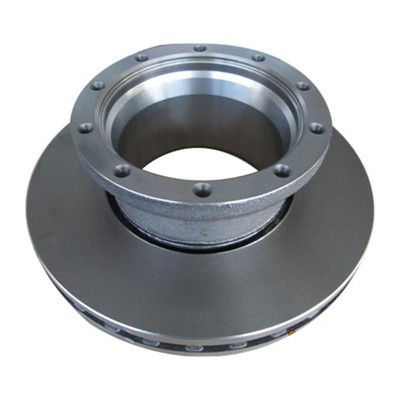
Hey there, fellow car enthusiasts! As a supplier of Chevy Brake Discs, I often get asked how to tell if a used Chevy brake disc is right for your vehicle. It's a crucial question, as using the wrong brake disc can compromise your safety and the performance of your car. So, let's dive into the details and figure out how you can make sure that used brake disc is a perfect fit.
1. Check the Vehicle Compatibility
The first and most important step is to verify if the brake disc is designed for your specific Chevy model. Chevy has a wide range of vehicles, from compact cars to full - size trucks, and each one has different brake requirements.
Look at the vehicle identification number (VIN) of your Chevy. This 17 - digit code contains all the information about your car, including the model, year, and trim level. You can find the VIN on the driver's side dashboard, near the windshield, or on the driver's side door jamb. Compare the VIN with the specifications of the used brake disc. Some suppliers might have a database where you can enter your VIN to see if the brake disc is compatible.
Also, pay attention to the year of your vehicle. Brake technology has evolved over the years, and a brake disc that fits a 2010 Chevy might not work for a 2020 model. Even small changes in the design of the braking system can make a big difference.
2. Examine the Physical Dimensions
Once you've confirmed the vehicle compatibility, it's time to look at the physical dimensions of the brake disc. The diameter, thickness, and bolt pattern are the key factors here.
Diameter
The diameter of the brake disc is usually measured in millimeters. You can find the correct diameter for your vehicle in the owner's manual or by contacting your Chevy dealership. If the diameter of the used brake disc is too small, it won't provide enough stopping power. On the other hand, if it's too large, it might not fit properly in the wheel well.
Thickness
The thickness of the brake disc is also critical. Over time, brake discs wear down, and if a used disc is too thin, it might not be safe to use. Measure the thickness of the used brake disc with a caliper. Compare the measurement with the minimum thickness specified for your vehicle. If the disc is close to or below the minimum thickness, it's best to avoid it.
Bolt Pattern
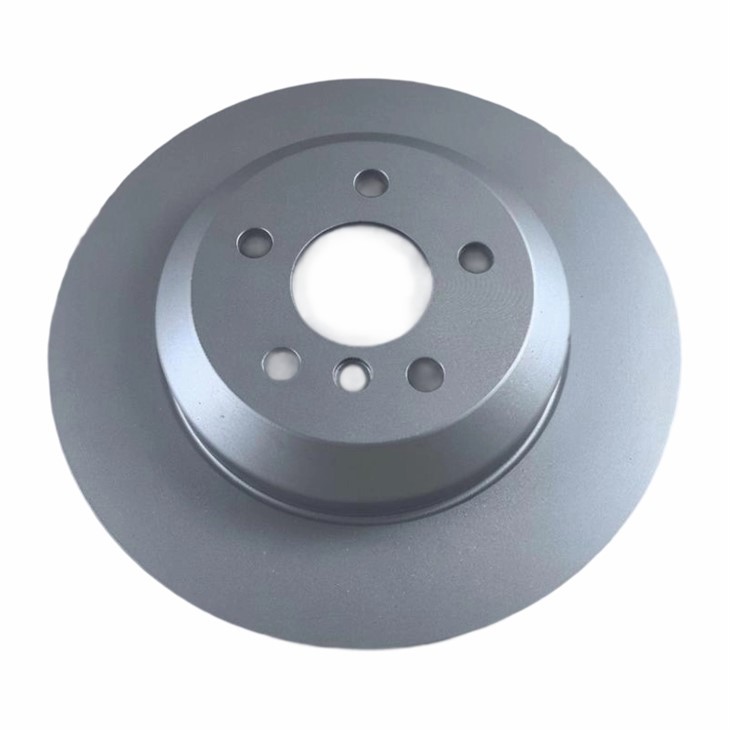
The bolt pattern refers to the number of bolts and the diameter of the circle they form on the brake disc. Different Chevy models have different bolt patterns. Make sure the bolt pattern of the used brake disc matches the one on your vehicle. If they don't match, the brake disc won't be able to be mounted correctly.
3. Inspect the Surface Condition
The surface condition of the brake disc can tell you a lot about its quality and usability.

Cracks
Check for cracks on the surface of the brake disc. Even small cracks can grow over time and lead to a catastrophic failure of the braking system. Look closely at the face of the disc, as well as the edges. If you see any cracks, no matter how small, don't use the brake disc.
Grooves and Scores
Some wear on the surface of the brake disc is normal, but deep grooves and scores can cause problems. They can reduce the contact area between the brake pads and the disc, which means less effective braking. If the grooves are too deep, the brake pads might not be able to grip the disc properly. You can try to measure the depth of the grooves with a depth gauge. If they are more than a few millimeters deep, it's probably not a good idea to use the disc.
Rust
A little surface rust on a used brake disc is usually not a big deal. It can often be removed by simply cleaning the disc. However, if the rust has penetrated deeply into the metal, it can weaken the disc and make it unsafe. Look for signs of pitting or flaking rust. If the rust is extensive, it's best to steer clear.
4. Consider the Brake Disc Material
Chevy brake discs can be made from different materials, and each material has its own characteristics.
Cast Iron
Most Chevy brake discs are made of cast iron. It's a popular choice because it's relatively inexpensive and has good heat - dissipation properties. However, cast iron can be prone to rust and wear. When inspecting a used cast - iron brake disc, pay extra attention to signs of rust and wear.
Carbon Ceramic
Carbon ceramic brake discs are more expensive but offer better performance. They are lighter, have better heat resistance, and last longer. If you're considering a used carbon ceramic brake disc, make sure it hasn't been damaged. They can be more brittle than cast - iron discs, so look for any signs of chips or cracks.
5. Look into the Brake Disc's History
If possible, try to find out the history of the used brake disc. Where did it come from? How long was it used? Was it part of a vehicle that was in an accident?
If the brake disc was from a vehicle that was in a serious accident, it might have been damaged internally, even if there are no visible signs of damage on the surface. You can ask the seller for any maintenance records or accident reports related to the brake disc.
6. Compare with New Brake Discs
Before making a decision, it's a good idea to compare the used brake disc with a new one. You can check out the specifications of new Chevy Brake Discs on our website. This will give you a better idea of what a high - quality brake disc should look like.
New brake discs come with a warranty and are guaranteed to meet the manufacturer's standards. While used brake discs can be a more affordable option, you need to make sure they are in good condition. If the price difference between the used and new brake disc is not significant, it might be worth investing in a new one for peace of mind.
Conclusion
Figuring out if a used Chevy brake disc is suitable for your vehicle takes a bit of effort, but it's definitely worth it. By checking the vehicle compatibility, physical dimensions, surface condition, material, history, and comparing with new brake discs, you can make an informed decision.
If you're still not sure or if you have any questions about Chevy Brake Discs, feel free to reach out. We're here to help you find the right brake disc for your Chevy. Whether you're a DIY mechanic or a professional, we can provide you with the information and support you need.
We also supply Mercedes - Benz Brake Disc and BMW Brake Disc if you have other vehicle needs. If you're interested in purchasing brake discs, don't hesitate to contact us for a quote and to start the procurement negotiation process.
References
- Chevrolet Owner's Manuals
- Automotive Brake System Technology textbooks
- Industry standards and guidelines for brake disc manufacturing and usage