Hey there, car enthusiasts! As a car brake pads supplier, I get this question a lot: “How do I know if my car brake pads are compatible with my rotors?” Well, you're in the right place. Let's dive into this topic and clear up any confusion you might have.
First things first, understanding the basics of brake pads and rotors is crucial. Brake pads are the parts that clamp down on the rotors when you hit the brakes. The friction between the brake pads and the rotors is what slows down your car. So, if they're not compatible, it can lead to all sorts of problems, like reduced braking performance, uneven wear, and even safety issues.
One of the easiest ways to check compatibility is by looking at the vehicle's owner's manual. This little book is a goldmine of information about your car, including the recommended brake pads and rotors. It'll tell you the exact specifications you need, such as the size, shape, and material. If you don't have the manual handy, you can usually find a digital version on the car manufacturer's website.
But what if you lost your manual or the website doesn't have the info you need? That's where the vehicle identification number (VIN) comes in. Your VIN is like a fingerprint for your car, and it contains all the details about its make, model, year, and trim level. You can use this number to look up the correct brake pads and rotors on various automotive parts websites or by contacting the car dealership.

Another important factor to consider is the type of driving you do. If you're a city driver who spends a lot of time in stop-and-go traffic, you'll need brake pads that can handle frequent braking. On the other hand, if you're more of a highway cruiser, you might be able to get away with a different type of pad. Some brake pads are designed for high-performance driving, while others are better suited for everyday use.
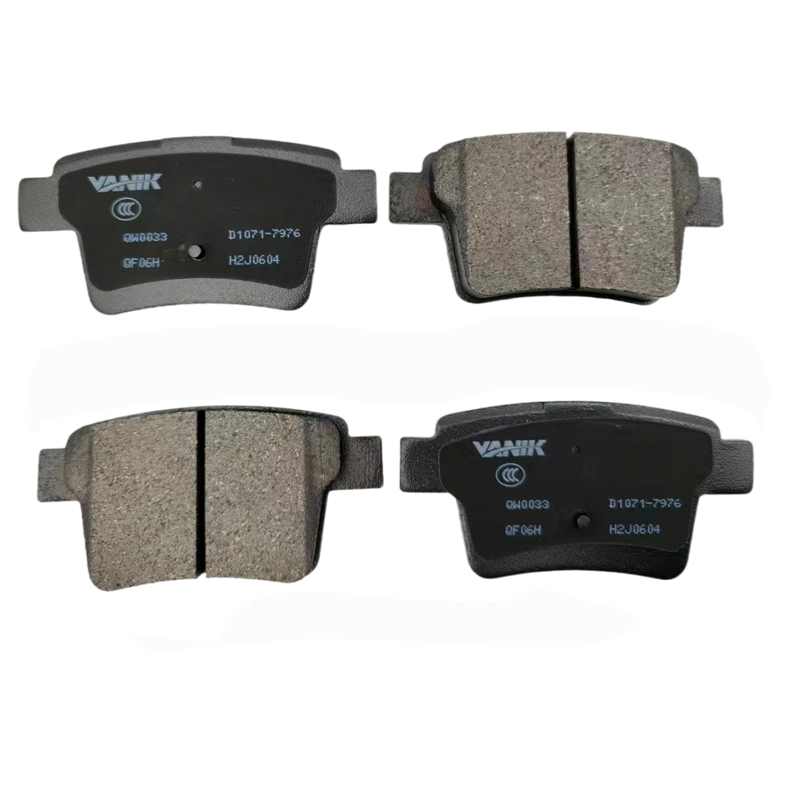
Now, let's talk about the different types of brake pads and rotors. There are three main types of brake pads: organic, semi-metallic, and ceramic. Organic brake pads are made from natural materials like rubber, glass, and resin. They're quiet, produce less dust, and are gentle on the rotors, but they don't last as long as the other types. Semi-metallic brake pads contain metal fibers, which make them more durable and better at dissipating heat. However, they can be a bit noisy and produce more dust. Ceramic brake pads are the most expensive option, but they offer the best performance. They're quiet, produce very little dust, and have a long lifespan.
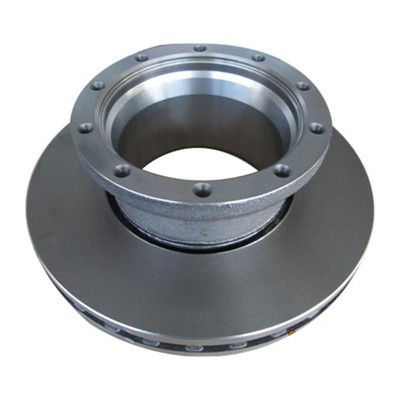
When it comes to rotors, there are also different types, such as solid, vented, and drilled. Solid rotors are the most basic type and are suitable for everyday driving. Vented rotors have channels or vanes inside them that help to dissipate heat more effectively, making them a better choice for high-performance driving. Drilled rotors have holes drilled into them to improve cooling and reduce brake fade, but they can be more prone to cracking.
So, how do you know which type of brake pads and rotors are compatible with each other? Well, it depends on your car's make, model, and driving style. In general, it's a good idea to stick with the same type of brake pads and rotors that came with your car. However, if you're looking to upgrade your braking system, you'll need to make sure that the new parts are compatible with each other.
One way to do this is to look for brake pads and rotors that are specifically designed to work together. Many manufacturers offer brake kits that include both the pads and the rotors, which ensures compatibility. These kits are usually a good option because they're tested and proven to work well together.
Another thing to keep in mind is the quality of the brake pads and rotors. You don't want to skimp on these parts, as they're essential for your safety. Look for products that are made by reputable manufacturers and have good reviews from other customers. You can also check for certifications, such as ISO 9001, which indicates that the product meets certain quality standards.
As a car brake pads supplier, I can tell you that we offer a wide range of brake pads for different makes and models of cars. Whether you're looking for Motorcycle Brake Pads, JAGUAR Brake Pads, or ALFA ROMEO Brake Pads, we've got you covered. Our brake pads are made from high-quality materials and are designed to provide reliable performance and long-lasting durability.
If you're still not sure which brake pads are compatible with your rotors, don't hesitate to reach out to us. Our team of experts is always here to help you find the right parts for your car. We can answer any questions you might have and provide you with personalized recommendations based on your specific needs.
In conclusion, knowing if your car brake pads are compatible with your rotors is essential for your safety and the performance of your vehicle. By following the tips and guidelines outlined in this blog post, you should be able to make an informed decision when it comes to choosing the right brake pads and rotors for your car. And if you need any help along the way, remember that we're just a message away.
References:
- Various automotive parts websites
- Car manufacturer's websites
- Vehicle owner's manuals