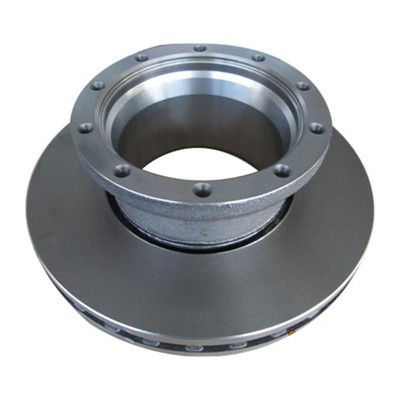
Determining whether your car brake pads are overheating is crucial for maintaining both the safety and performance of your vehicle. As a supplier of high - quality brake pads, including EAGLE Brake Pads, CITROEN Brake Pads, and Motorcycle Brake Pads, I understand the importance of this issue and would like to share some insights on how you can tell if your brake pads are overheating.
Understanding the Basics of Brake Pad Heating
Before we dive into the signs of overheating, it's essential to understand how brake pads work and why they heat up. When you press the brake pedal, the brake calipers squeeze the brake pads against the brake rotors. This friction between the pads and rotors slows down the rotation of the wheels, bringing your car to a stop. During this process, the kinetic energy of the moving vehicle is converted into heat energy.
Under normal driving conditions, brake pads can handle a certain amount of heat. However, excessive heat can occur due to several factors, such as aggressive driving, continuous heavy braking (e.g., during downhill driving), or using low - quality brake pads that cannot dissipate heat effectively.
Signs of Overheating Brake Pads
1. Burning Smell
One of the most obvious signs that your brake pads may be overheating is a burning smell. When brake pads overheat, the friction material can start to break down and emit a distinct, acrid odor. This smell is often similar to that of burning rubber or hot metal. If you notice this smell while driving or after a period of heavy braking, it's a clear indication that your brake pads are under excessive stress.
2. Reduced Braking Performance
Overheating brake pads can lead to a significant reduction in braking performance. You may notice that your car takes longer to stop than usual or that the brake pedal feels spongy or soft. This is because the excessive heat can cause the brake fluid to boil, creating air bubbles in the brake lines. These air bubbles compress more easily than the brake fluid, reducing the pressure applied to the brake pads and rotors.
In some cases, you may also experience brake fade, where the brakes seem to lose their effectiveness gradually as you continue to use them. This can be extremely dangerous, especially when you need to make an emergency stop.
3. Visual Inspection
If you suspect that your brake pads are overheating, you can perform a visual inspection. First, allow your brakes to cool down completely to avoid the risk of burns. Then, remove the wheel (if you have the necessary tools and expertise) to access the brake pads and rotors.
Overheated brake pads may show signs of discoloration. They may appear darker than normal, or you may notice blistering or cracking on the surface of the friction material. In addition, the brake rotors may also show signs of heat damage, such as warping or discoloration.
4. Unusual Noises
Overheating brake pads can also produce unusual noises. You may hear a high - pitched squealing or grinding sound when you apply the brakes. This can be caused by the uneven wear of the brake pads due to excessive heat or the presence of debris between the pads and rotors. In some cases, you may also hear a rattling or vibrating sound, which could indicate that the brake pads are loose or damaged as a result of overheating.
Preventing Brake Pad Overheating
1. Drive Responsibly
One of the most effective ways to prevent brake pad overheating is to drive responsibly. Avoid aggressive driving behaviors such as rapid acceleration, hard braking, and tailgating. When driving downhill, use engine braking by downshifting to a lower gear instead of relying solely on the brakes. This can help reduce the amount of stress on the brake pads and prevent them from overheating.
2. Choose High - Quality Brake Pads
Investing in high - quality brake pads is essential for preventing overheating. At our company, we offer a wide range of brake pads, including EAGLE Brake Pads, CITROEN Brake Pads, and Motorcycle Brake Pads, that are designed to withstand high temperatures and provide reliable braking performance. These brake pads are made from high - quality friction materials that can dissipate heat effectively and resist wear.


3. Regular Maintenance
Regular brake maintenance is crucial for ensuring the proper functioning of your brakes. Have your brakes inspected by a professional mechanic at least once a year or more frequently if you drive in harsh conditions. The mechanic can check the condition of your brake pads, rotors, and brake fluid, and replace any worn or damaged components as needed.
Importance of Using Quality Brake Pads
As a brake pad supplier, I cannot stress enough the importance of using high - quality brake pads. Low - quality brake pads may be cheaper initially, but they can cause a variety of problems in the long run.
Firstly, low - quality brake pads are more likely to overheat, which can lead to reduced braking performance and increased safety risks. They may also wear out more quickly, requiring more frequent replacements. In contrast, high - quality brake pads are designed to provide consistent braking performance, resist heat, and last longer.
Secondly, using high - quality brake pads can help protect your brake rotors. Overheating brake pads can cause damage to the rotors, such as warping or scoring. This can result in a rough braking surface, which further affects the braking performance and can lead to more expensive repairs.
Conclusion
Knowing whether your car brake pads are overheating is essential for your safety on the road. By being aware of the signs of overheating, taking preventive measures, and using high - quality brake pads, you can ensure that your brakes are in good working condition.
If you are in the market for reliable brake pads, we offer a wide range of products, including EAGLE Brake Pads, CITROEN Brake Pads, and Motorcycle Brake Pads. Our brake pads are designed to meet the highest standards of quality and performance. If you have any questions or would like to discuss your brake pad needs, please feel free to reach out to us for a procurement discussion.
References
- Bosch, "Brake System Handbook."
- Motorcraft, "Brake Maintenance Guide."
- Wagner Brake, "Understanding Brake Performance."