As a supplier of FORD brake pads, I understand the importance of ensuring that your vehicle's braking system is in optimal condition. One common issue that can affect the performance of your brakes is uneven wear of the brake pads. In this blog post, I'll share some insights on how to tell if your FORD brake pads are worn unevenly and why it matters.


Understanding Brake Pad Wear
Brake pads are a crucial component of your vehicle's braking system. They work by creating friction against the brake rotors when you press the brake pedal, which slows down or stops your car. Over time, the friction causes the brake pads to wear down. Ideally, the wear should be uniform across the surface of the brake pads. However, several factors can lead to uneven wear.
Signs of Uneven Brake Pad Wear
1. Squealing or Grinding Noises
One of the most obvious signs that your brake pads may be worn unevenly is unusual noises when you apply the brakes. If you hear a high - pitched squealing sound, it could indicate that the brake pads are starting to wear thin. A grinding noise, on the other hand, is a more serious sign. It often means that the brake pads have worn down completely, and the metal backing of the pads is rubbing against the brake rotors. Uneven wear can cause these noises to be more pronounced on one side of the vehicle or at specific times during braking.
2. Pulling to One Side
When you apply the brakes, your FORD should come to a stop in a straight line. If your vehicle pulls to one side, it's a strong indication of uneven brake pad wear. This happens because the brakes on one side are applying more force than the other. For example, if the brake pads on the left front wheel are more worn than those on the right front wheel, the right side will have more braking power, causing the car to pull to the right.
3. Vibration in the Brake Pedal
A vibrating brake pedal can also be a sign of uneven brake pad wear. When the brake pads wear unevenly, the braking force is not distributed evenly across the brake rotors. This can cause the rotors to become warped, leading to a pulsating or vibrating sensation in the brake pedal when you apply the brakes.
4. Uneven Pad Thickness
The most direct way to check for uneven brake pad wear is to visually inspect the brake pads. You can do this by removing the wheels and looking at the brake pads. If you notice that the thickness of the brake pads on one side of the vehicle is significantly different from the other side, or if the wear pattern on a single brake pad is uneven, then the pads are worn unevenly.
Causes of Uneven Brake Pad Wear
1. Caliper Issues
The brake calipers are responsible for squeezing the brake pads against the rotors. If a caliper is sticking or not functioning properly, it may not apply the same amount of pressure to the brake pads as the other calipers. This can lead to uneven wear. For example, a caliper piston that is seized or a caliper slide pin that is corroded can cause the brake pads on that wheel to wear more quickly.
2. Rotor Problems
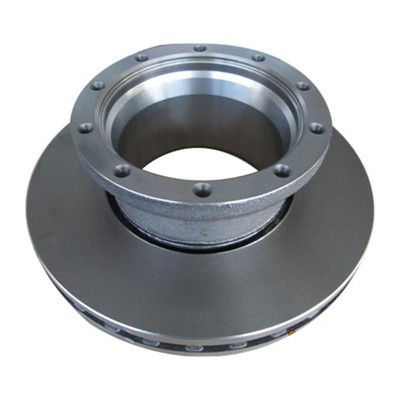
Warped or damaged brake rotors can also cause uneven brake pad wear. If the surface of the rotor is not flat, the brake pads will not make even contact with the rotor. This can result in uneven wear on the brake pads. Rotors can become warped due to overheating, which can be caused by aggressive driving or frequent hard braking.
3. Improper Installation
If the brake pads are not installed correctly, it can lead to uneven wear. For example, if the brake pads are not seated properly in the caliper, or if the caliper is not aligned correctly with the rotor, the brake pads may not wear evenly.
Importance of Addressing Uneven Brake Pad Wear
Uneven brake pad wear is not just a minor inconvenience; it can have serious implications for your safety. When the brake pads wear unevenly, the braking performance of your vehicle is compromised. This means that it may take longer for your car to stop, especially in emergency situations. Additionally, uneven wear can cause further damage to other components of the braking system, such as the brake rotors and calipers. This can lead to more expensive repairs down the line.
How We Can Help
As a supplier of FORD brake pads, we offer high - quality brake pads that are designed to provide even wear and reliable performance. Our brake pads are made from premium materials and are engineered to meet or exceed the original equipment manufacturer (OEM) specifications. We also have a team of experts who can provide you with advice on brake pad installation and maintenance.
In addition to FORD brake pads, we also supply DACIA Brake Pads, HOLDEN Brake Pads, and Passenger Car Brake Pads. Whether you are a car owner looking to replace your brake pads or a mechanic in need of a reliable supplier, we can meet your needs.
If you suspect that your FORD brake pads are worn unevenly or if you are interested in purchasing our brake pads, we encourage you to contact us for a consultation. Our team will be happy to assist you with any questions you may have and provide you with a competitive quote.
Conclusion
Detecting and addressing uneven brake pad wear is essential for maintaining the safety and performance of your FORD. By being aware of the signs of uneven wear, understanding the causes, and taking proactive steps to address the issue, you can ensure that your braking system is in top condition. As a trusted supplier of brake pads, we are committed to providing you with the highest quality products and excellent customer service. Don't hesitate to reach out to us for all your brake pad needs.
References
- Automotive Brake Systems Handbook.
- FORD Vehicle Maintenance Manuals.