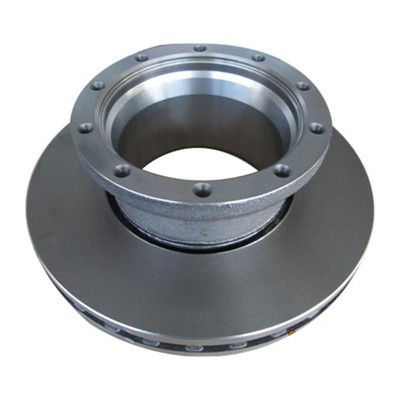
Hey there, fellow car enthusiasts! As a supplier of Rear Brake Shoes, I've seen my fair share of brake - related issues. One question that comes up a lot is, "How do I know if my rear brake shoes need adjustment?" Well, I'm here to break it down for you in simple terms.
Signs of Brake Shoe Misalignment
First off, let's talk about the tell - tale signs that your rear brake shoes might be out of whack. One of the most obvious signs is a change in your braking performance. If you notice that your car takes longer to stop than usual, or if you have to press the brake pedal harder, it could be a sign that your rear brake shoes need adjustment.
Another sign is a strange noise when you brake. A high - pitched squeal or a grinding sound can indicate that the brake shoes are not making proper contact with the brake drums. This could be due to misalignment or excessive wear. For instance, if the brake shoes are too far from the drums, they won't be able to create enough friction to stop the car effectively.
You might also experience a pulling sensation when you brake. If your car pulls to one side when you apply the brakes, it could mean that the rear brake shoes on one side are not adjusted correctly. This can be dangerous, as it affects your ability to control the vehicle during braking.


Visual Inspection
Now, let's move on to visual inspection. You don't need to be a mechanic to do a basic check of your rear brake shoes. First, you'll need to remove the wheels to access the brake assemblies. Once you've removed the wheels, take a look at the brake shoes.
The brake shoes should be evenly worn. If you notice that one side of the brake shoe is more worn than the other, it's a sign that adjustment is needed. Also, check for any signs of damage, such as cracks or excessive wear. If the brake shoes are worn down to the metal, it's definitely time to replace them. You can find high - quality Rear Brake Shoes on our website to ensure your car's safety.
Another thing to look for is the condition of the brake drums. The drums should be smooth and free of any grooves or scoring. If the drums are damaged, it can affect the performance of the brake shoes and may require resurfacing or replacement.
Handbrake Issues
The handbrake is also an important part of your braking system, and it can give you clues about the condition of your rear brake shoes. If you find that you have to pull the handbrake up higher than usual to engage it, or if the handbrake doesn't hold the car properly, it could be a sign that the rear brake shoes need adjustment.
The handbrake works by applying pressure to the rear brake shoes. If the shoes are not adjusted correctly, the handbrake won't be able to function effectively. You can find suitable Handbrake Pad on our site to keep your handbrake in top shape.
Testing and Adjustment
If you suspect that your rear brake shoes need adjustment, it's a good idea to do some testing. You can start by driving your car at a low speed and applying the brakes gently. Pay attention to how the car responds. If you notice any of the signs we've discussed earlier, such as a change in braking performance or strange noises, it's time to make an adjustment.
Adjusting the rear brake shoes can be a bit tricky, and if you're not confident doing it yourself, it's best to take your car to a professional mechanic. However, if you're up for the challenge, there are some basic steps you can follow.
First, locate the adjustment screw on the brake assembly. This screw is usually located on the back of the brake drum. You'll need a special tool, such as a brake adjustment spoon, to turn the screw. Turning the screw in one direction will increase the tension on the brake shoes, while turning it in the other direction will decrease the tension.
After making a small adjustment, test the brakes again. Keep making small adjustments and testing until the brakes feel normal again. Remember, it's important not to over - adjust the brake shoes, as this can cause them to drag and overheat, leading to premature wear.
Specific Car Models
Different car models may have different requirements when it comes to rear brake shoe adjustment. For example, BMW Rear Brake Shoes may have a different adjustment procedure compared to other brands. It's always a good idea to consult your car's owner's manual for specific instructions.
Some modern cars have self - adjusting rear brake shoes. These systems use a mechanism that automatically adjusts the brake shoes as they wear. However, even with self - adjusting systems, it's still important to regularly inspect the brakes to ensure they are working properly.
Importance of Regular Maintenance
Regular maintenance of your rear brake shoes is crucial for your safety on the road. Brakes are one of the most important components of your car, and neglecting them can lead to serious accidents. By keeping an eye on the condition of your rear brake shoes and making adjustments when necessary, you can ensure that your car's braking system is always in top condition.
In addition to adjusting the brake shoes, it's also important to replace them when they are worn out. Worn brake shoes can reduce your car's braking performance and increase the risk of accidents. As a Rear Brake Shoes supplier, we offer a wide range of high - quality brake shoes to suit different car models.
Conclusion
So, there you have it! Knowing when your rear brake shoes need adjustment is an important part of car maintenance. By paying attention to the signs, doing a visual inspection, and testing the brakes, you can determine whether adjustment is needed. And if you're in the market for new rear brake shoes, we've got you covered.
If you have any questions about our Rear Brake Shoes, BMW Rear Brake Shoes, or Handbrake Pad, feel free to reach out to us for a purchase negotiation. We're here to help you keep your car safe and running smoothly.
References
- Automotive Brake Systems Manuals
- Car Owner's Manuals