As a supplier of truck brake pads, I've encountered numerous inquiries from truck owners and operators regarding the issue of a spongy brake pedal. A spongy brake pedal is not only a cause for concern but can also pose significant safety risks. In this blog post, I'll share some insights on how to determine if your truck brake pads are causing this problem.
Understanding the Brake System Basics
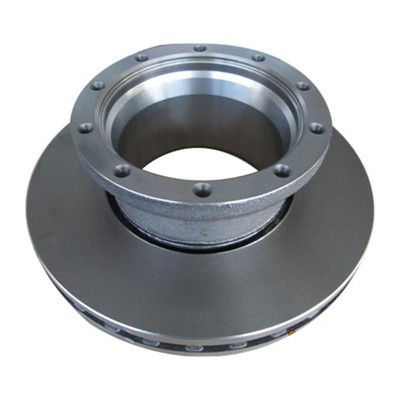
Before delving into the signs that your brake pads might be the culprit, it's essential to understand the basic components of a truck's brake system. The brake system consists of several key parts, including the brake pads, rotors (or drums), calipers, brake lines, and the master cylinder. When you press the brake pedal, hydraulic pressure is generated in the master cylinder, which then travels through the brake lines to the calipers. The calipers squeeze the brake pads against the rotors (or drums), creating friction that slows down or stops the vehicle.
Signs That Brake Pads Might Be the Problem
- Excessive Wear: One of the most common reasons for a spongy brake pedal is worn-out brake pads. Over time, the friction material on the brake pads wears down, reducing their effectiveness. When the brake pads are too thin, they may not be able to generate enough friction to stop the vehicle efficiently. As a result, you may notice that the brake pedal feels spongy or requires more pressure to engage the brakes. To check the thickness of your brake pads, you can visually inspect them through the wheels or consult your vehicle's owner's manual for specific instructions. If the brake pads are less than the recommended thickness, it's time to replace them. You can find high-quality replacement brake pads, such as our Heavy Commercial Vehicle Brake Pads, which are designed to provide reliable performance and long-lasting durability.
- Contamination: Brake pads can also become contaminated with oil, grease, or other substances, which can reduce their friction coefficient. Contamination can occur due to a leak in the brake system, such as a leaking caliper or brake line, or from external sources, such as road debris or engine oil. If you suspect that your brake pads are contaminated, you may notice a decrease in braking performance, a spongy brake pedal, or a burning smell when you apply the brakes. In some cases, you may also see visible signs of contamination on the brake pads or rotors. If you suspect contamination, it's important to have your brake system inspected and cleaned by a professional mechanic. You may also need to replace the contaminated brake pads to restore proper braking performance. Our HOWO Truck Brake Pads are made from high-quality materials that are resistant to contamination, ensuring reliable performance even in harsh conditions.
- Glazing: Glazing occurs when the friction material on the brake pads becomes hard and smooth, reducing its ability to grip the rotors. This can happen due to excessive heat, overuse, or improper braking techniques. When the brake pads are glazed, you may notice a decrease in braking performance, a spongy brake pedal, or a high-pitched squeal when you apply the brakes. To prevent glazing, it's important to use your brakes properly and avoid excessive braking or riding the brakes. If your brake pads are glazed, you may be able to have them resurfaced or replaced. Our Truck Brake Linings are designed to resist glazing and provide consistent braking performance, even under heavy use.
Other Possible Causes of a Spongy Brake Pedal
While brake pads are a common cause of a spongy brake pedal, there are other factors that can also contribute to this problem. Here are some other possible causes to consider:


- Air in the Brake Lines: Air can enter the brake lines when the brake system is opened for maintenance or repair, or due to a leak in the brake lines. When air is present in the brake lines, it can compress, causing the brake pedal to feel spongy. To remove air from the brake lines, you can have your brake system bled by a professional mechanic.
- Brake Fluid Issues: Brake fluid plays a crucial role in the operation of the brake system. Over time, brake fluid can absorb moisture, which can reduce its boiling point and cause it to break down. When the brake fluid is contaminated or low, it can affect the performance of the brake system and cause the brake pedal to feel spongy. To ensure proper brake system operation, it's important to check the brake fluid level regularly and replace the brake fluid according to your vehicle's manufacturer's recommendations.
- Faulty Master Cylinder: The master cylinder is responsible for generating hydraulic pressure in the brake system. If the master cylinder is faulty, it may not be able to generate enough pressure to engage the brakes properly, resulting in a spongy brake pedal. Signs of a faulty master cylinder include a soft or spongy brake pedal, a brake pedal that sinks to the floor, or a loss of braking power. If you suspect that your master cylinder is faulty, it's important to have it inspected and replaced by a professional mechanic.
Conclusion
A spongy brake pedal is a serious issue that should not be ignored. While brake pads are a common cause of this problem, there are other factors that can also contribute to it. By understanding the signs that your brake pads might be the culprit and knowing the other possible causes of a spongy brake pedal, you can take the necessary steps to ensure the safety and reliability of your truck's brake system.
If you're experiencing a spongy brake pedal or have any other concerns about your truck's brake system, don't hesitate to contact us. As a leading supplier of truck brake pads, we offer a wide range of high-quality brake pads and related products to meet your needs. Our team of experts is available to provide you with professional advice and assistance. Whether you need Heavy Commercial Vehicle Brake Pads, HOWO Truck Brake Pads, or Truck Brake Linings, we have the right solution for you. Contact us today to discuss your requirements and start the procurement process.
References
- "Brake System Basics." Car and Driver.
- "How to Check Your Brake Pads." Popular Mechanics.
- "Common Causes of a Spongy Brake Pedal." AutoZone.