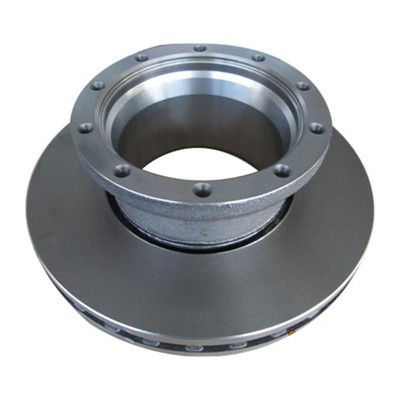
Hey there, fellow truckers and fleet managers! I'm a supplier of truck brake pads, and I know how crucial it is to keep your brakes in top - notch condition. One common issue that can sneak up on you is brake pad glazing. In this blog, I'll share with you how to tell if your truck brake pads are glazing and why it matters.
What is Brake Pad Glazing?
First things first, let's understand what brake pad glazing is. When you use your brakes, friction is created between the brake pads and the brake rotors. Over time, this friction generates heat. If the brakes get too hot, the material on the surface of the brake pads can melt and then re - solidify. This forms a smooth, shiny layer on the brake pads, which is called glazing.


Glazing is a problem because it reduces the friction between the brake pads and the rotors. You know, friction is what actually makes your truck stop. So, when the friction is reduced, your braking performance takes a nosedive. It can take longer for your truck to come to a halt, and you might even notice a decrease in the responsiveness of your brakes.
Signs Your Truck Brake Pads are Glazing
1. Squealing or Squeaking Noises
One of the most obvious signs that your brake pads might be glazed is a high - pitched squealing or squeaking noise when you apply the brakes. This noise is caused by the smooth, glazed surface of the brake pads not gripping the rotors properly. Instead of a nice, solid contact, the pads kind of vibrate against the rotors, creating that annoying sound.
If you hear this noise, it's not something you can just ignore. It's your truck's way of telling you that there's an issue with the brakes. Don't assume it's just a little thing that will go away on its own. The longer you wait, the more dangerous it can get.
2. Longer Stopping Distances
As I mentioned earlier, glazing reduces the friction between the brake pads and the rotors. This means that it takes more time and distance for your truck to come to a complete stop. If you've noticed that you have to start braking earlier than usual or that your truck doesn't stop as quickly as it used to, glazing could be the culprit.
This is a serious safety concern, especially when you're driving a big rig. A longer stopping distance can increase the risk of accidents, especially in emergency situations. So, if you feel like your brakes aren't as effective as they should be, it's time to take a closer look at your brake pads.
3. Vibration in the Brake Pedal
Another sign of glazed brake pads is a vibration in the brake pedal when you apply the brakes. When the pads are glazed, they don't make a consistent contact with the rotors. This uneven contact can cause the brake pedal to vibrate. You might feel a pulsating sensation in your foot as you press down on the pedal.
This vibration isn't just uncomfortable; it's also a sign that your brakes aren't working properly. It could mean that the glazing has caused uneven wear on the brake pads or rotors, which can lead to further damage if not addressed.
4. Visual Inspection
You can also do a visual inspection of your brake pads to check for glazing. If you're comfortable getting under your truck, you can take a look at the brake pads. Glazed brake pads will have a smooth, shiny surface. They might look almost like they've been polished.
If you're not sure how to access the brake pads or do a visual inspection, you can always take your truck to a mechanic. They can do a more thorough inspection and let you know if your brake pads are glazed.
Why Glazing Happens
Now that you know the signs, let's talk about why glazing happens in the first place. There are a few common reasons:
1. Overheating
The most common cause of brake pad glazing is overheating. This can happen if you're doing a lot of heavy braking, like when you're driving down a steep hill or in stop - and - go traffic. When you keep applying the brakes for long periods, the heat builds up and can cause the brake pads to glaze.
2. Low - Quality Brake Pads
Using low - quality brake pads can also increase the risk of glazing. Cheaper brake pads might not be able to handle the heat as well as high - quality ones. They're more likely to melt and glaze under normal driving conditions. That's why it's important to invest in good - quality brake pads, like our Volvo Truck Brake Pads and Heavy Commercial Vehicle Brake Pads.
3. Incorrect Bedding - In
Bedding - in is the process of breaking in new brake pads. If you don't bed in your new brake pads correctly, it can lead to glazing. When you install new brake pads, you need to follow the manufacturer's instructions for bedding them in. This usually involves a series of gentle stops and starts to allow the brake pads to properly mate with the rotors.
What to Do if Your Brake Pads are Glazed
If you suspect that your brake pads are glazed, there are a few things you can do:
1. Brake Pad Resurfacing
In some cases, you might be able to resurface the glazed brake pads. This involves using a special tool to remove the glazed layer and restore the friction surface. However, this is only a temporary solution, and it might not work if the glazing is too severe.
2. Replace the Brake Pads
The best solution is usually to replace the glazed brake pads. This will ensure that you have good braking performance and that your truck is safe to drive. When you replace the brake pads, make sure to choose high - quality ones. Our Truck Brake Linings are made from top - notch materials and are designed to resist glazing.
Preventing Brake Pad Glazing
Prevention is always better than cure. Here are some tips to prevent brake pad glazing:
1. Drive Smart
Avoid heavy braking whenever possible. If you're going down a hill, use engine braking to slow down instead of relying solely on your brakes. This will help keep the heat down and reduce the risk of glazing.
2. Use High - Quality Brake Pads
Invest in good - quality brake pads from a reputable supplier. High - quality brake pads are more heat - resistant and less likely to glaze.
3. Follow Bedding - In Procedures
When you install new brake pads, make sure to follow the bedding - in procedures. This will help the brake pads last longer and perform better.
Conclusion
So, there you have it! Now you know how to tell if your truck brake pads are glazing, why it happens, and what to do about it. Remember, keeping your brakes in good condition is essential for your safety on the road.
If you're in the market for high - quality truck brake pads, we're here to help. We offer a wide range of brake pads, including Volvo Truck Brake Pads, Heavy Commercial Vehicle Brake Pads, and Truck Brake Linings. If you have any questions or want to discuss your brake pad needs, feel free to reach out. We're always happy to help you find the right brakes for your truck.
References
- "Brake System Basics" - National Highway Traffic Safety Administration
- "How to Check and Maintain Your Truck's Brakes" - Fleet Equipment Magazine