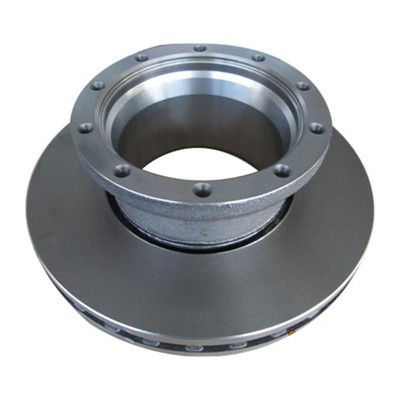
Hey there, fellow car enthusiasts! As a supplier of car brake discs, I often get asked about how to measure the thickness of a car brake disc. It's a crucial aspect of maintaining your vehicle's safety and performance. In this blog, I'll walk you through the process step by step.
First off, why is measuring the thickness of a brake disc so important? Well, brake discs wear down over time due to the friction generated when you apply the brakes. If they get too thin, they won't be able to dissipate heat effectively, which can lead to brake fade, reduced stopping power, and even brake failure in extreme cases. So, regularly checking the thickness of your brake discs is a must to ensure your car's brakes are in top-notch condition.
Now, let's get into the nitty-gritty of how to measure the thickness of a car brake disc. You'll need a few tools for this job: a micrometer or a caliper. A micrometer is more precise, but a caliper can also do the trick if you don't have a micrometer on hand.
The first step is to locate the brake disc. On most cars, the brake disc is located behind the wheel. You'll need to remove the wheel to access the brake disc. Make sure you follow the proper safety procedures when removing the wheel, such as using a jack to lift the car and chocking the wheels on the opposite side to prevent the car from rolling.
Once you've removed the wheel, you'll be able to see the brake disc. Take a close look at the disc to check for any signs of wear, such as grooves, cracks, or uneven surfaces. If you notice any of these issues, it's a good idea to replace the brake disc as soon as possible.
Now, it's time to measure the thickness of the brake disc. Use your micrometer or caliper to measure the thickness of the disc at several points around its circumference. Make sure you measure the thickness at the outermost edge of the disc, as this is where the brake pads make contact. Take multiple measurements to ensure accuracy, and record the readings.
The minimum thickness specification for a brake disc can vary depending on the make and model of your car. You can usually find this information in your car's owner's manual or by contacting the manufacturer. Compare your measurements to the minimum thickness specification to determine if your brake disc needs to be replaced.
If the thickness of your brake disc is below the minimum specification, it's time to replace it. As a car brake disc supplier, I offer a wide range of high-quality brake discs for various makes and models of cars. Whether you're looking for Toyota Floating Carbon BrakeDiscs, Mercedes Brake Disc, or BMW Brake Disc, I've got you covered.
When replacing a brake disc, it's also a good idea to replace the brake pads at the same time. Worn brake pads can cause uneven wear on the brake disc, which can lead to premature failure. Make sure you choose high-quality brake pads that are compatible with your car's make and model.
In addition to measuring the thickness of the brake disc, it's also important to check the condition of the brake calipers and brake lines. The brake calipers are responsible for applying pressure to the brake pads, and the brake lines carry the brake fluid from the master cylinder to the calipers. If the brake calipers or brake lines are damaged or worn, it can affect the performance of your brakes.
To check the condition of the brake calipers, look for any signs of leakage, such as fluid stains or wet spots. You can also try squeezing the brake caliper piston to see if it moves smoothly. If the piston is stuck or doesn't move freely, it may need to be replaced.
To check the condition of the brake lines, look for any signs of damage, such as cracks, bulges, or leaks. If you notice any of these issues, it's important to replace the brake line as soon as possible.
In conclusion, measuring the thickness of a car brake disc is an important part of maintaining your vehicle's safety and performance. By following the steps outlined in this blog, you can easily measure the thickness of your brake disc and determine if it needs to be replaced. As a car brake disc supplier, I'm here to help you find the right brake disc for your car. If you have any questions or need assistance with choosing the right brake disc, feel free to reach out to me. I'm always happy to help!
References:

- Car owner's manuals
- Manufacturer specifications