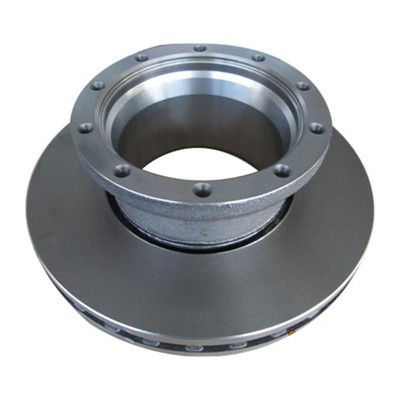
Hey there! As a supplier of truck brake pads, I often get asked about how to measure the thickness of these crucial components. It's a super important question because the thickness of brake pads directly impacts the safety and performance of trucks. So, let's dive right in and explore the ins and outs of measuring truck brake pad thickness.
Why Measuring Brake Pad Thickness Matters
First off, why bother measuring the thickness of your truck brake pads? Well, brake pads are like the shoes of your truck's braking system. Over time, they wear down as they create friction to stop the vehicle. If the brake pads get too thin, they won't be able to provide enough stopping power, which can lead to longer stopping distances and even brake failure in extreme cases. That's a huge safety risk, not just for the driver but also for everyone else on the road.
On top of safety, measuring brake pad thickness can also save you money in the long run. By regularly checking the thickness, you can catch wear early and replace the pads at the right time. This prevents damage to other parts of the braking system, like the rotors, which can be much more expensive to repair or replace.
Tools You'll Need
Before you start measuring your truck brake pads, you'll need a few tools. Don't worry; you probably already have some of these lying around in your garage or toolbox.
- Calipers: A good set of calipers is essential for getting an accurate measurement of the brake pad thickness. You can find both digital and manual calipers at most auto parts stores. Digital calipers are easier to read and usually more precise, but manual ones work just fine too.
- Flashlight: Since the brake pads are located inside the wheel assembly, it can be a bit dark in there. A flashlight will help you see what you're doing and make sure you're measuring the right part.
- Safety Equipment: Safety first! Make sure you have a pair of gloves and safety glasses to protect your hands and eyes while you're working on the brakes.
Step-by-Step Guide to Measuring Brake Pad Thickness
Now that you have your tools ready, let's go through the steps to measure the thickness of your truck brake pads.
Step 1: Prepare Your Truck
Park your truck on a flat, level surface and engage the parking brake. If you're working on the front brakes, you may also want to chock the rear wheels to prevent the truck from rolling. Loosen the lug nuts on the wheel you'll be working on, but don't remove them just yet. Then, use a jack to lift the truck off the ground and support it with jack stands. Make sure the truck is stable before you proceed.
Step 2: Remove the Wheel
Once the truck is safely lifted and supported, remove the lug nuts and take off the wheel. This will give you access to the brake caliper and brake pads.
Step 3: Locate the Brake Pads
The brake pads are located inside the brake caliper, which is a metal housing that sits over the rotor. You may need to use your flashlight to get a good look at them. There are usually two brake pads per wheel: an inner pad and an outer pad.
Step 4: Measure the Brake Pad Thickness
Open your calipers and place the jaws around the brake pad. Make sure you're measuring the friction material, which is the part of the brake pad that actually contacts the rotor. Close the calipers until they gently grip the brake pad, and then read the measurement on the caliper display. Repeat this process for both the inner and outer brake pads on each wheel.
Step 5: Compare the Measurements to the Manufacturer's Specifications
Every truck and brake pad combination has different specifications for the minimum and maximum brake pad thickness. You can find these specifications in your truck's owner's manual or by contacting the brake pad manufacturer. Compare the measurements you took to the manufacturer's specifications to determine if the brake pads need to be replaced.
What to Do If Your Brake Pads Are Too Thin
If you find that your brake pads are below the manufacturer's recommended thickness, it's time to replace them. Don't wait! Continuing to drive with worn brake pads can be extremely dangerous. You can either replace the brake pads yourself if you have the necessary skills and tools, or take your truck to a professional mechanic.
As a truck brake pad supplier, I can offer you a wide range of high-quality brake pads for different makes and models of trucks. Whether you need Volvo Truck Brake Pads, Heavy Commercial Vehicle Brake Pads, or Truck Brake Linings, I've got you covered.
Tips for Maintaining Your Truck Brake Pads
Measuring the thickness of your truck brake pads is just one part of maintaining a healthy braking system. Here are some other tips to help you keep your brakes in top condition:


- Drive Responsibly: Aggressive driving, such as hard braking and rapid acceleration, can cause your brake pads to wear out faster. Try to drive smoothly and anticipate stops to reduce the strain on your brakes.
- Keep Your Brakes Clean: Dirt, dust, and debris can accumulate on your brake pads and rotors, which can affect their performance. Regularly clean your brakes with a brake cleaner to remove any contaminants.
- Check Your Brake Fluid: The brake fluid in your truck's braking system plays a crucial role in transferring the force from the brake pedal to the brake pads. Make sure to check the brake fluid level regularly and top it off if necessary. If the brake fluid looks dirty or contaminated, it may need to be flushed and replaced.
Conclusion
Measuring the thickness of your truck brake pads is a simple but important task that can help keep you and others safe on the road. By following the steps outlined in this blog post and using the right tools, you can easily check the condition of your brake pads and determine if they need to be replaced.
If you're in the market for new truck brake pads, I'd love to help. As a trusted supplier, I offer high-quality products at competitive prices. Whether you're a fleet owner, a truck driver, or a mechanic, I can provide you with the brake pads you need to keep your trucks running safely and efficiently. So, don't hesitate to reach out and start a conversation about your brake pad needs. Let's work together to ensure your trucks are always in top-notch condition.
References
- Truck Owner's Manuals
- Brake Pad Manufacturer Specifications