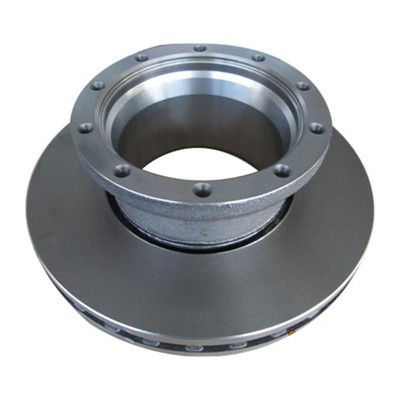
Glazing of rear brake shoes is a common issue that can compromise your vehicle's braking performance. As a rear brake shoes supplier, I've seen firsthand how frustrating it can be for drivers when their brakes start to fail due to glazing. In this blog post, I'll share some tips on how to prevent rear brake shoes from glazing and keep your brakes in top condition.
What is Glazing?
Before we dive into prevention methods, let's first understand what glazing is. Glazing occurs when the friction material on the brake shoes becomes hard and smooth due to excessive heat. This hardening reduces the friction between the brake shoes and the brake drum, resulting in decreased braking efficiency. You might notice longer stopping distances, a spongy brake pedal, or a high - pitched squeal when you apply the brakes.
Causes of Glazing
There are several factors that can lead to the glazing of rear brake shoes.
Overheating
One of the main culprits is overheating. This can happen if you're constantly riding the brakes, for example, when driving in heavy traffic or going down a long, steep hill. When you keep the brakes engaged for extended periods, the heat generated can't dissipate properly, causing the brake shoes to overheat and glaze.
Contamination
Brake fluid leaks, oil spills, or dirt and debris getting onto the brake shoes can also cause glazing. These contaminants can change the friction characteristics of the brake shoes and lead to uneven wear and glazing.


Poor Quality Brake Shoes
Using low - quality brake shoes is another factor. Inferior materials may not be able to withstand the heat and stress of normal braking, making them more prone to glazing.
Prevention Tips
Proper Braking Techniques
- Avoid Riding the Brakes: This is super important. Instead of keeping your foot on the brake pedal all the time, try to anticipate stops and start slowing down earlier by taking your foot off the accelerator. For example, if you see a red light up ahead, start coasting towards it. This way, you'll reduce the amount of heat generated by the brakes.
- Downshift on Hills: When going down a steep hill, use your vehicle's gears to slow down instead of relying solely on the brakes. Downshifting helps to control your speed and takes some of the load off the brakes, preventing overheating.
Regular Maintenance
- Inspect the Brakes Regularly: Check your rear brake shoes at least once a year or more frequently if you drive a lot. Look for signs of wear, contamination, or damage. If you notice any issues, such as uneven wear or a shiny, glazed surface, it's time to take action.
- Keep the Brakes Clean: Make sure to keep the brake components clean. You can use a brake cleaner to remove dirt, dust, and debris. However, be careful not to get the cleaner on other parts of the vehicle, as it can damage paint and rubber components.
- Check for Leaks: Regularly inspect the brake lines and master cylinder for any signs of leaks. A small brake fluid leak can quickly lead to brake shoe contamination and glazing. If you find a leak, get it fixed immediately.
Use High - Quality Brake Shoes
As a Rear Brake Shoes supplier, I can't stress enough the importance of using high - quality brake shoes. High - quality brake shoes are made from better materials that can handle higher temperatures and provide more consistent braking performance. They're also less likely to glaze compared to low - quality alternatives. For example, our BMW Rear Brake Shoes are designed to meet the specific requirements of BMW vehicles, ensuring optimal braking performance and durability.
Replace Worn Brake Components
- Brake Drums: Worn or damaged brake drums can cause uneven pressure on the brake shoes, leading to glazing. If the brake drums are scored or out of round, they should be resurfaced or replaced.
- Handbrake Components: Don't forget about the Handbrake Pad. A faulty handbrake can cause the rear brakes to drag, generating extra heat and increasing the risk of glazing. Make sure the handbrake is adjusted correctly and the handbrake pads are in good condition.
What to Do if Your Brake Shoes are Glazed
If you suspect that your rear brake shoes are glazed, don't panic. You can try to de - glaze them using a fine - grit sandpaper. Gently sand the surface of the brake shoes to remove the hard, glazed layer. However, this is only a temporary fix. In most cases, it's best to replace the glazed brake shoes with new ones to ensure safe and reliable braking.
Conclusion
Preventing rear brake shoes from glazing is all about using proper braking techniques, regular maintenance, and using high - quality brake components. By following these tips, you can extend the life of your brake shoes and keep your vehicle's braking system in top shape.
If you're in the market for high - quality rear brake shoes, handbrake pads, or BMW Rear Brake Shoes, we're here to help. We offer a wide range of brake products that are designed to meet the highest standards of quality and performance. Whether you're a car owner looking to replace your brake shoes or a mechanic in need of reliable brake components, feel free to reach out to us for more information and to discuss your purchasing needs.
References
- Brake System Basics: A Guide to Understanding Your Vehicle's Brakes, AutoZone
- How to Prevent Brake Pad Glazing, Car and Driver Magazine