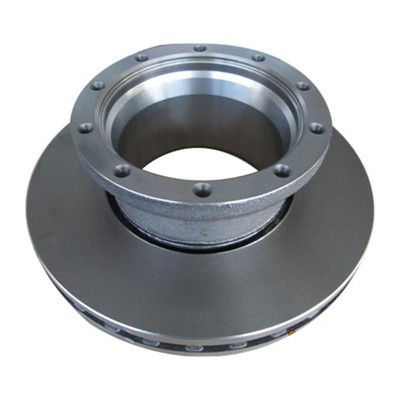
Storing BMW brake discs properly is a crucial aspect of maintaining their quality and performance, especially for a BMW Brake Disc supplier like myself. In this blog, I'll share some in - depth knowledge on how to store these essential automotive components to ensure they remain in top - notch condition until they reach the end - users.
Understanding BMW Brake Discs
BMW brake discs are engineered to high standards, using advanced materials and manufacturing processes. They are designed to handle the high - performance demands of BMW vehicles, providing reliable braking power. The quality of these brake discs depends not only on their production but also on how they are stored. These discs can be made from various materials such as cast iron, carbon - ceramic, and composite materials. Each material has its own characteristics and storage requirements.
Storage Environment
The first and most important factor in storing BMW brake discs is the storage environment. A clean, dry, and climate - controlled area is ideal. Moisture is the enemy of brake discs as it can lead to rust and corrosion, especially on cast - iron discs. A humidity level of around 40 - 50% is recommended. This can be achieved by using dehumidifiers in the storage area, especially in regions with high humidity.
Temperature is another critical aspect. Extreme temperatures can cause the brake discs to expand or contract, which may lead to warping. The storage area should be maintained at a relatively stable temperature, preferably between 10°C and 30°C. This can be accomplished through the use of climate - control systems, such as air conditioning or heating, depending on the local climate.
Protection from Dust and Contaminants
Brake discs should be protected from dust and other contaminants that can accumulate on their surfaces. Dust can cause abrasion when the brake pads come into contact with the discs, reducing the overall performance and lifespan of both the pads and the discs. To prevent this, brake discs should be stored in sealed containers or wrapped in protective materials. Plastic bags or shrink - wrap can be used to keep the discs clean. However, make sure that the packaging is breathable to avoid moisture buildup inside.
Proper Stacking and Placement
When it comes to storing multiple brake discs, proper stacking and placement are essential. Brake discs should be stacked in a flat and stable manner to prevent them from shifting and causing damage to each other. If possible, use specialized storage racks designed for brake discs. These racks provide a secure and organized way to store the discs, reducing the risk of scratches and dents.
When stacking the discs, avoid placing heavy objects on top of them. The weight can cause the discs to warp, especially if they are made from more delicate materials like carbon - ceramic. If you need to stack multiple layers of discs, use spacers between each layer to ensure even weight distribution.
Protection during Transportation
If the brake discs need to be transported before storage or from the storage facility to the customer, proper protection is vital. Use shock - absorbing materials, such as foam or bubble wrap, to cushion the discs during transit. Secure the discs in the shipping container to prevent them from moving around and getting damaged. Additionally, ensure that the shipping environment is also clean and dry to avoid any contamination during the journey.
Regular Inspection
Even when stored properly, it is important to conduct regular inspections of the brake discs. Check for any signs of rust, corrosion, cracks, or other damage. Early detection of issues can prevent further deterioration and ensure that only high - quality brake discs are shipped to customers. Inspections can be done on a monthly or quarterly basis, depending on the storage conditions and the length of time the discs are expected to be stored.

Comparing with Other Brands
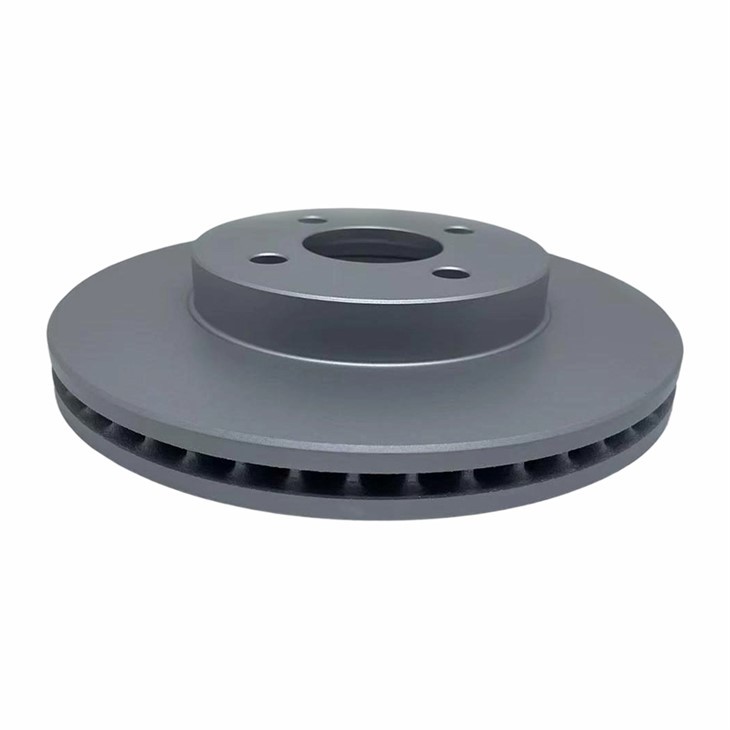
While our focus is on BMW brake discs, it's interesting to compare storage requirements with other popular car brands. For example, Toyota Floating Carbon BrakeDiscs are also high - end components. Carbon - composite materials in Toyota's brake discs are more resistant to heat and corrosion compared to cast - iron BMW brake discs, but they still need a similar clean and dry storage environment.
Modified Brake Discs might have unique storage needs depending on their modifications. Some modified discs might have specialized coatings or surface treatments that require specific care.
And Ford Brake Discs, similar to BMW discs, are often made from cast iron. So, they need protection from moisture and extreme temperatures as well.
Conclusion and Call to Action
Properly storing BMW brake discs is a multi - faceted process that involves creating the right environment, protecting from contaminants, ensuring proper stacking, and conducting regular inspections. By following these guidelines, as a BMW Brake Disc supplier, I can guarantee the quality and performance of the brake discs I offer to my customers.
If you are in the market for high - quality BMW brake discs or have any questions about their storage or usage, do not hesitate to reach out for a procurement discussion. We are committed to providing you with the best products and advice in the automotive braking industry.
References
- Automotive Brake Disc Manufacturing and Quality Control Manual
- BMW Vehicle Technical Documentation
- Industry Best Practices for Auto Parts Storage