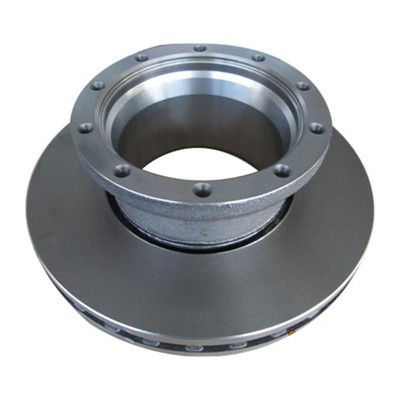
How long does it take to bed in new car brake discs?
As a seasoned car brake disc supplier, I've received numerous inquiries from car enthusiasts and professionals alike about the bedding - in process of new brake discs. The bedding - in, or break - in, of brake discs is a crucial step that ensures optimal performance, longevity, and safety of your braking system. In this blog, I'll delve into the factors that influence the bedding - in time and provide a comprehensive overview of the process.
What is Bedding In?
Bedding in is essentially the process of creating a uniform friction surface between the brake discs and the brake pads. When you install new brake discs and pads, the surfaces are not perfectly matched. Through a series of carefully controlled braking maneuvers, a thin layer of friction material from the brake pads transfers onto the brake discs, creating a consistent contact surface. This process helps to improve braking efficiency, reduce noise, and prevent uneven wear.
Factors Affecting Bedding - In Time
1. Type of Brake Discs
The material and design of the brake discs play a significant role in determining the bedding - in time. For instance, Toyota Floating Carbon BrakeDiscs are made from high - performance carbon materials. These discs offer excellent heat dissipation and are lightweight, which is ideal for high - performance vehicles. However, due to their unique properties, they may require a more precise and longer bedding - in process compared to traditional cast - iron discs.
On the other hand, Modified Brake Disc are often designed with specific performance enhancements in mind. They might have drilled or slotted patterns to improve ventilation and reduce brake fade. These modifications can also affect the bedding - in time as the contact area between the pads and the discs is different from standard discs.
2. Type of Brake Pads
The brake pads also contribute to the bedding - in time. Ceramic brake pads, for example, are known for their low dust production and quiet operation. They generally require a longer bedding - in period compared to semi - metallic pads. Semi - metallic pads have a higher metal content, which allows them to transfer friction material more quickly to the brake discs, thus reducing the bedding - in time.
3. Driving Conditions
The driving conditions during the bedding - in process are crucial. If you drive in stop - and - go traffic, the frequent braking can cause the brake discs and pads to heat up unevenly, which may prolong the bedding - in time. In contrast, driving on a smooth, open road with consistent speeds and controlled braking maneuvers can help speed up the process.
4. Vehicle Weight
Heavier vehicles put more stress on the braking system. A large SUV or a truck will require more force to stop, which means the brake discs and pads have to work harder. As a result, the bedding - in process for these vehicles may take longer compared to smaller, lighter cars. For example, Ford Brake Discs used in larger Ford models may need more time to bed in due to the increased weight of the vehicle.
General Bedding - In Procedures
A common bedding - in procedure involves a series of repeated stops from moderate speeds. Start by driving at a moderate speed, say 30 - 40 mph, and then apply the brakes firmly but not to the point of locking the wheels. Bring the vehicle to a stop gradually. Repeat this process about 10 - 15 times, allowing the brakes to cool down between each stop.
After these initial stops, you can increase the speed to around 50 - 60 mph and repeat the braking process another 5 - 10 times. Again, make sure to give the brakes time to cool down. Finally, drive normally for a few days, avoiding hard braking as much as possible. This normal driving will help to fine - tune the friction surface between the discs and the pads.
Estimated Bedding - In Time
In general, for most standard brake discs and pads, the bedding - in process can take anywhere from 200 to 500 miles of driving. However, high - performance brake discs and pads may require up to 1000 miles or more to fully bed in. It's important to note that these are just estimates, and the actual time can vary depending on the factors mentioned above.


During the bedding - in period, you may notice some changes in the braking performance. The brakes may feel a bit spongy at first, and there could be some noise. This is normal and should subside as the bedding - in process progresses. If the noise or sponginess persists after the recommended bedding - in distance, it's advisable to have your braking system checked by a professional.
Importance of Proper Bedding In
Proper bedding in is not just a formality; it's essential for the safety and performance of your vehicle. If the brake discs and pads are not properly bedded in, you may experience reduced braking efficiency, uneven wear, and increased noise. Uneven wear can lead to premature failure of the brake components, which can be costly to replace.
Moreover, a well - bedded - in braking system provides consistent and reliable stopping power, which is crucial in emergency situations. It also helps to extend the lifespan of both the brake discs and the pads, saving you money in the long run.
Contact Us for Your Brake Disc Needs
If you're in the market for high - quality brake discs, whether it's Toyota Floating Carbon BrakeDiscs, Modified Brake Disc, or Ford Brake Discs, we've got you covered. Our extensive range of brake discs is designed to meet the diverse needs of different vehicles and driving styles.
We understand the importance of proper bedding in and can provide you with detailed instructions and support to ensure that your new brake discs perform at their best. If you have any questions about our products or the bedding - in process, don't hesitate to reach out. We're here to help you make the right choice for your vehicle.
References
- Bosch Automotive Handbook, 7th Edition
- Hayes Brake Systems Technical Manual
- Brembo Brake System Installation and Bedding - In Guide