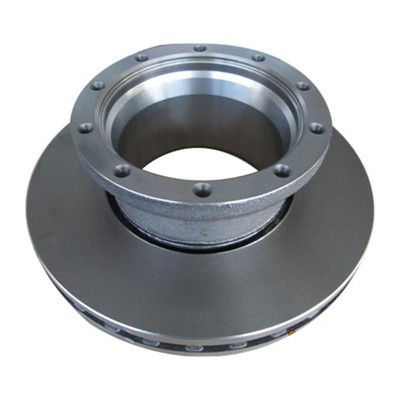
As a long - standing supplier of BMW brake discs, I've witnessed the evolution of brake technology in the automotive industry. One of the most significant advancements in recent years is the introduction and growing popularity of carbon - ceramic brake discs for BMW vehicles. In this blog, we'll delve into the question: How much more expensive are carbon - ceramic BMW brake discs?
Understanding Carbon - Ceramic Brake Discs
Carbon - ceramic brake discs are a high - end alternative to traditional cast - iron brake discs. They are made from a composite material that consists of carbon fibers embedded in a ceramic matrix. This unique composition offers several advantages over their cast - iron counterparts. Firstly, they are significantly lighter, which can improve the vehicle's handling and fuel efficiency by reducing unsprung weight. Secondly, they have excellent heat resistance, which means they can withstand high temperatures generated during heavy braking without warping or fading. This results in more consistent braking performance, especially in high - performance driving situations.
The Cost of Traditional BMW Brake Discs
Traditional cast - iron brake discs are the standard option for most BMW models. They are relatively inexpensive to manufacture, which makes them an affordable choice for mass - market vehicles. The cost of a set of cast - iron brake discs for a BMW can vary depending on the model and the specific requirements. On average, a set of front and rear cast - iron brake discs for a mid - range BMW model might cost anywhere from $200 to $500. This price range includes the cost of the discs themselves, as well as any necessary hardware and installation.
The Cost of Carbon - Ceramic BMW Brake Discs
Carbon - ceramic brake discs, on the other hand, are a premium product. The manufacturing process for these discs is complex and requires specialized equipment and expertise. The raw materials used, such as carbon fibers and ceramic matrices, are also more expensive than cast iron. As a result, the cost of a set of carbon - ceramic brake discs for a BMW is significantly higher.
For a high - performance BMW model, a set of carbon - ceramic brake discs can cost upwards of $8,000 to $12,000. This price includes the discs, calipers, and all necessary hardware. In some cases, the cost can even exceed $15,000 for a top - of - the - line BMW M series vehicle. The high cost is not only due to the materials and manufacturing process but also because carbon - ceramic brake discs are often custom - made to fit the specific requirements of each BMW model.
Factors Contributing to the Higher Cost
- Raw Materials: As mentioned earlier, the raw materials used in carbon - ceramic brake discs are more expensive than those used in cast - iron discs. Carbon fibers are lightweight and strong, but they are also costly to produce. The ceramic matrix that holds the carbon fibers together is also a specialized material that requires precise manufacturing processes.
- Manufacturing Process: The manufacturing process for carbon - ceramic brake discs is much more complex than that of cast - iron discs. It involves multiple steps, including the formation of the carbon fiber preform, the infiltration of the ceramic matrix, and the high - temperature sintering process. Each step requires strict quality control and specialized equipment, which adds to the overall cost.
- Research and Development: Developing carbon - ceramic brake discs for BMW vehicles requires extensive research and development. BMW engineers work closely with suppliers to ensure that the brake discs meet the high performance and safety standards of the brand. This research and development effort is costly and is reflected in the final price of the product.
- Limited Production: Carbon - ceramic brake discs are not mass - produced like cast - iron discs. They are typically produced in smaller quantities to meet the demand for high - performance BMW models. The limited production volume means that the fixed costs associated with manufacturing are spread over a smaller number of units, resulting in a higher per - unit cost.
Is the Higher Cost Worth It?
The question of whether the higher cost of carbon - ceramic brake discs is worth it depends on the individual's driving needs and preferences. For casual drivers who mainly use their BMW for daily commuting, the performance benefits of carbon - ceramic brake discs may not justify the high cost. Traditional cast - iron brake discs are more than sufficient for normal driving conditions.
However, for performance enthusiasts and professional drivers, the benefits of carbon - ceramic brake discs can be well worth the investment. The improved braking performance, reduced weight, and enhanced durability can make a significant difference on the track or in high - speed driving situations. Additionally, the long - term cost savings associated with reduced wear and tear on the brake system can offset some of the initial purchase price.
Comparing with Other Brands
When looking at the cost of carbon - ceramic brake discs, it's also interesting to compare BMW's offerings with those of other luxury car brands. For example, Volvo Brake Discs and Mercedes - Benz Brake Disc (also known as Mercedes Brake Disc) also offer carbon - ceramic brake options for their high - performance models.
In general, the cost of carbon - ceramic brake discs for these brands is in a similar range to BMW's. The prices can vary depending on the specific model and the level of performance required. However, each brand has its own unique approach to brake technology, and the cost - performance ratio may differ slightly.
Conclusion and Call to Action
In conclusion, carbon - ceramic BMW brake discs are significantly more expensive than traditional cast - iron brake discs. The high cost is due to a combination of factors, including the raw materials, manufacturing process, research and development, and limited production. While the performance benefits of carbon - ceramic brake discs are undeniable, they may not be necessary for all drivers.


If you're interested in learning more about our BMW brake disc offerings, whether it's traditional cast - iron discs or high - performance carbon - ceramic discs, we invite you to reach out to us. We have a team of experts who can provide you with detailed information and help you make an informed decision based on your specific needs. We look forward to the opportunity to discuss your brake disc requirements and work with you to find the best solution for your BMW.
References
- "Automotive Brake System Technology" by SAE International
- "High - Performance Brakes for Sports Cars" by Motor Trend Magazine