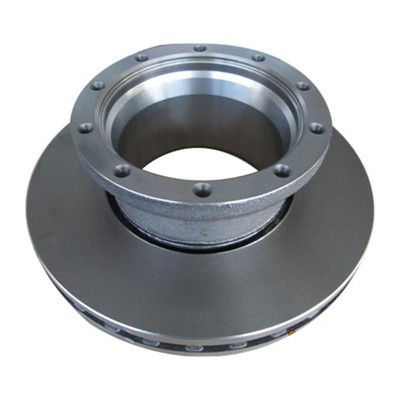
How often should car brake discs be balanced?
As a professional car brake disc supplier deeply entrenched in the automotive industry, I've witnessed firsthand the critical role that well - balanced brake discs play in vehicle safety and performance. In this blog, I'll delve into the question of how often car brake discs should be balanced, exploring various factors that influence this frequency.
Understanding Brake Disc Balancing
Before discussing the frequency of balancing, it's essential to understand what brake disc balancing is and why it matters. A brake disc is a crucial component of a vehicle's braking system. When the brake pedal is pressed, the brake pads clamp down on the rotating brake disc, creating friction that slows down the vehicle. However, if the brake disc is not balanced, it can cause uneven wear on the brake pads, vibrations in the steering wheel or brake pedal, and even reduced braking efficiency.
Balancing a brake disc involves ensuring that the mass of the disc is evenly distributed around its axis of rotation. This is typically done using specialized equipment that measures the imbalance and then adds or removes small amounts of material to correct it.
Factors Affecting the Frequency of Brake Disc Balancing
- Driving Conditions
- City Driving: In urban areas, stop - and - go traffic is common. Frequent braking can generate a lot of heat, which may lead to uneven expansion of the brake discs. This uneven expansion can cause imbalance over time. As a result, if you do most of your driving in the city, it's advisable to have your brake discs checked for balance every 20,000 - 30,000 miles.
- High - Speed Highway Driving: On highways, vehicles often maintain a constant speed for long periods. While there is less frequent braking, high - speed driving can put additional stress on the brake discs. If you frequently drive at high speeds, it's still a good idea to have your brake discs balanced every 30,000 - 40,000 miles.
- Vehicle Type
- Heavy - Duty Vehicles: Trucks and SUVs are generally heavier than passenger cars. The extra weight means that the brake discs have to work harder to slow down the vehicle. This increased stress can cause the brake discs to become unbalanced more quickly. For heavy - duty vehicles, it's recommended to check the balance of brake discs every 15,000 - 20,000 miles.
- Sports Cars: Sports cars are designed for high - performance driving, which often involves aggressive braking. The high - performance nature of these vehicles can lead to more rapid wear and tear on the brake discs. As such, sports car owners should consider having their brake discs balanced every 10,000 - 15,000 miles.
- Quality of Brake Discs
- High - Quality Brake Discs: Premium brake discs are often made from better materials and are manufactured to higher precision. They are more resistant to heat and wear, and therefore, less likely to become unbalanced quickly. If you have high - quality brake discs installed in your vehicle, you may be able to extend the time between balance checks to 40,000 - 50,000 miles.
- Low - Quality Brake Discs: Cheaper brake discs may not be as well - made. They can warp or become unbalanced more easily, especially under heavy use. In this case, it's important to have them checked for balance every 10,000 - 20,000 miles.
Signs That Your Brake Discs Need Balancing
Even if you haven't reached the recommended mileage intervals, there are some signs that your brake discs may be unbalanced:
- Vibrations: If you feel vibrations in the steering wheel or brake pedal when you apply the brakes, this could be a sign of an unbalanced brake disc. The vibrations are caused by the uneven distribution of mass on the disc, which creates an uneven force when the brake pads clamp down.
- Uneven Brake Pad Wear: Inspect your brake pads regularly. If you notice that one side of the brake pad is wearing more quickly than the other, it could indicate an unbalanced brake disc. The uneven pressure from the unbalanced disc causes the brake pads to wear unevenly.
- Reduced Braking Performance: An unbalanced brake disc can also lead to reduced braking efficiency. You may notice that it takes longer for your vehicle to come to a stop or that the brakes feel less responsive.
Our Brake Disc Offerings
As a leading car brake disc supplier, we offer a wide range of high - quality brake discs for various vehicle makes and models. For example, if you own a Toyota, our Toyota Brake Disc is designed to meet the exact specifications of your vehicle, providing excellent braking performance and durability. Our Volvo Brake Discs are engineered to handle the unique demands of Volvo vehicles, ensuring smooth and reliable braking. And for Mercedes owners, our Mercedes Brake Disc offers superior quality and performance.


Importance of Regular Maintenance
Regularly balancing your brake discs is just one part of overall brake system maintenance. By keeping your brake discs in good condition, you not only ensure your safety on the road but also extend the lifespan of your entire braking system. This includes regular inspections of brake pads, calipers, and brake fluid.
Contact Us for Procurement
If you're in the market for high - quality car brake discs, we're here to help. Our team of experts can assist you in choosing the right brake discs for your vehicle based on your driving habits, vehicle type, and budget. We offer competitive prices, fast shipping, and excellent customer service. Whether you're a car enthusiast looking to upgrade your braking system or a professional mechanic in need of reliable brake disc supplies, we're the partner you can trust.
References
- "Automotive Brake Systems: Fundamentals, Diagnosis, and Repair" by Robert Bosch GmbH
- "The Complete Idiot's Guide to Car Care" by Bruce Chaddock
- Technical papers from major automotive manufacturers and industry associations