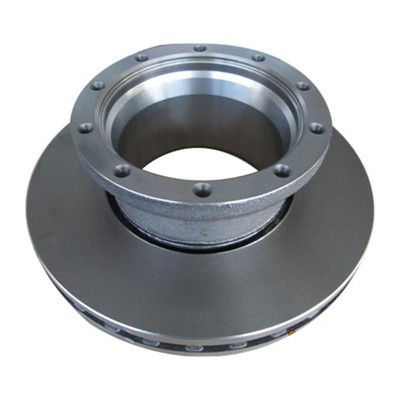
Breaking in new brake discs is a crucial process that significantly affects the performance, safety, and longevity of your vehicle's braking system. As a trusted supplier of AUDI Brake Disc, I understand the importance of this procedure and am here to guide you through it. In this blog, I'll share professional insights on how to properly break in new AUDI brake discs to ensure optimal performance.


Understanding the Importance of Breaking in New Brake Discs
Before delving into the break - in process, it's essential to understand why it's necessary. When you install new brake discs, the surface is smooth and clean. The brake pads also have a fresh surface. Breaking in the brake discs allows the brake pads to gradually conform to the shape of the discs, creating an even friction surface. This process helps to transfer heat evenly, reduces brake noise, and improves braking efficiency. A proper break - in can also prevent uneven wear on the brake components, which can lead to premature failure and costly repairs.
Pre - Break - In Checks
Before starting the break - in process, it's important to perform a few pre - checks. First, visually inspect the brake discs for any signs of damage, such as cracks, warping, or excessive rust. Ensure that the brake pads are properly installed and seated. Check the brake fluid level in the reservoir and top it up if necessary. A low brake fluid level can affect the braking performance and may indicate a leak in the system. Also, make sure that all the bolts and caliper mounting points are tightened to the manufacturer's specifications.
The Break - In Process
The break - in process for AUDI brake discs typically involves a series of controlled stops. It's important to perform this process in a safe and open area, away from heavy traffic. Here's a step - by - step guide:
-
Initial Driving
Start by driving your AUDI at a moderate speed, around 30 - 40 mph (48 - 64 km/h). Drive for about 5 - 10 minutes to warm up the brake system. This helps to expand the components and ensures that the brake fluid is flowing properly. During this time, avoid hard braking. -
Light Braking Cycles
Once the brakes are warm, begin a series of light braking cycles. Apply the brakes gently to slow down from 30 - 40 mph to about 10 - 15 mph (16 - 24 km/h). Do this about 10 - 15 times, with a 10 - 15 second interval between each stop. This allows the brake pads to start wearing in gradually on the discs. -
Moderate Braking Cycles
After the light braking cycles, increase the intensity of the braking. Slow down from 40 - 50 mph (64 - 80 km/h) to about 15 - 20 mph (24 - 32 km/h). Perform 8 - 10 moderate braking cycles, again with a 10 - 15 second interval between each stop. This step helps to further transfer the friction material from the brake pads to the discs. -
Cooling Period
After completing the moderate braking cycles, drive for about 5 - 10 minutes without applying the brakes. This allows the brake discs and pads to cool down. Overheating during the break - in process can cause glazing on the brake pads, which reduces braking performance. -
Final Braking Cycles
Finally, perform a few hard braking cycles. Slow down from 50 - 60 mph (80 - 96 km/h) to a complete stop. Do this 3 - 5 times, with a 30 - 60 second interval between each stop. These hard stops help to fully seat the brake pads on the discs and optimize the braking performance.
Post - Break - In Considerations
After completing the break - in process, it's important to continue driving carefully for the next few hundred miles. Avoid sudden and hard braking as much as possible. During this period, the brake system is still adjusting, and excessive stress can disrupt the break - in process. Also, keep an eye on the braking performance. If you notice any unusual noises, vibrations, or a decrease in braking efficiency, have the brakes inspected by a professional.
Comparing with Other Brands
As an industry expert, I've also dealt with other popular brake disc brands such as Mercedes Brake Disc and Toyota Floating Carbon BrakeDiscs. While the basic break - in principles are similar across different brands, each vehicle may have specific requirements. For example, high - performance vehicles like some Mercedes models may require a more aggressive break - in process due to their more powerful braking systems. Toyota's floating carbon brake discs, on the other hand, are designed for better heat dissipation and may have a slightly different break - in pattern to optimize their unique features.
Why Choose Our AUDI Brake Discs
Our AUDI brake discs are made from high - quality materials and are engineered to meet or exceed the original equipment manufacturer (OEM) specifications. We use advanced manufacturing techniques to ensure consistent quality and performance. Our brake discs are designed to provide excellent stopping power, reduced noise, and long - lasting durability. Whether you're a daily driver or an automotive enthusiast, our products are suitable for all types of driving conditions.
Contact Us for Purchase and Consultation
If you're in the market for high - quality AUDI brake discs, we're here to help. Our team of experts can provide you with detailed information about our products, answer any questions you may have, and assist you in making the right choice for your vehicle. We offer competitive prices and excellent customer service. Contact us today to start the procurement process and experience the difference our AUDI brake discs can make in your vehicle's braking performance.
References
- "Automotive Brake Systems: Fundamentals, Diagnosis, and Service" by James D. Halderman
- Manufacturer's manuals for AUDI vehicles
- Industry research on brake disc break - in procedures