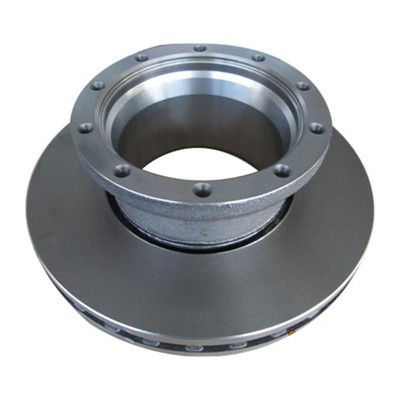
As a trusted supplier of truck brake discs, I understand the importance of proper maintenance and installation for optimal braking performance. One crucial component in the braking system is the brake pad shim. In this blog post, I'll guide you through the process of installing a brake pad shim for a truck brake disc, ensuring your vehicle's safety and efficiency on the road.

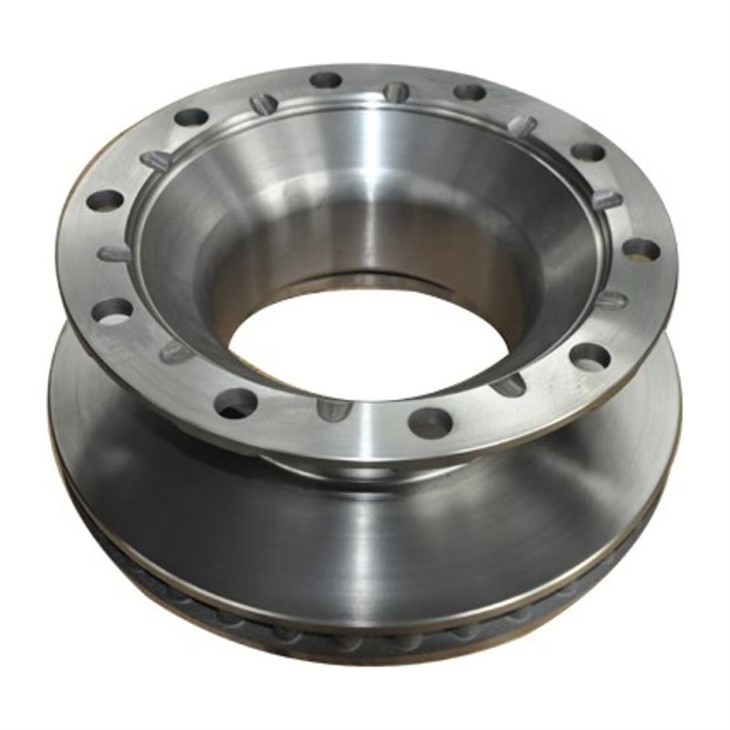
Understanding Brake Pad Shim
Before we dive into the installation process, let's first understand what a brake pad shim is and why it's essential. A brake pad shim is a thin piece of material, typically made of metal or rubber, that is placed between the brake pad and the caliper piston. Its primary functions include reducing noise, vibration, and harshness (NVH) during braking, as well as protecting the caliper piston from wear and tear.
Tools and Materials Needed
- Brake Pad Shim Kit: Ensure you have the correct shim kit for your truck's make and model. You can find a wide range of Commercial Truck Brake Discs and compatible shim kits on our website.
- Socket Set: To remove and install the caliper bolts.
- C-clamp or Brake Caliper Compressor: To compress the caliper piston.
- Brake Cleaner: To clean the caliper and brake components.
- Anti-seize Compound: To prevent corrosion and ensure smooth operation.
- Torque Wrench: To tighten the caliper bolts to the manufacturer's specifications.
Step-by-Step Installation Guide
Step 1: Prepare the Vehicle
- Park the truck on a level surface and engage the parking brake.
- Place wheel chocks behind the rear wheels to prevent the vehicle from rolling.
- Loosen the lug nuts on the wheel you'll be working on, but do not remove them yet.
- Jack up the truck and support it with jack stands.
- Remove the lug nuts and the wheel.
Step 2: Remove the Caliper
- Locate the caliper bolts on the back of the caliper. Use a socket set to remove the bolts.
- Carefully lift the caliper off the brake disc. Be sure not to damage the brake line.
- Hang the caliper from the suspension using a wire or bungee cord to prevent stress on the brake line.
Step 3: Remove the Old Brake Pads
- Slide the old brake pads out of the caliper bracket.
- Inspect the brake pads for wear and damage. If the pads are worn beyond the recommended thickness, replace them with new ones.
Step 4: Clean the Caliper and Brake Components
- Use brake cleaner to clean the caliper, caliper bracket, and brake disc.
- Remove any dirt, debris, or rust from the components.
- Dry the components thoroughly before proceeding.
Step 5: Compress the Caliper Piston
- Use a C-clamp or brake caliper compressor to compress the caliper piston. This will create enough space to install the new brake pads and shims.
- Slowly turn the C-clamp or compressor until the piston is fully compressed.
Step 6: Install the Brake Pad Shim
- Apply a thin layer of anti-seize compound to the back of the brake pad shim.
- Place the shim on the back of the new brake pad, ensuring it is properly aligned.
- Some shims may have specific markings or tabs that need to be oriented correctly. Refer to the manufacturer's instructions for guidance.
Step 7: Install the New Brake Pads
- Slide the new brake pads, with the shims attached, into the caliper bracket.
- Make sure the pads are seated properly and move freely within the bracket.
Step 8: Reinstall the Caliper
- Carefully lower the caliper onto the brake disc and align it with the caliper bracket.
- Insert the caliper bolts and tighten them to the manufacturer's specifications using a torque wrench.
Step 9: Reinstall the Wheel
- Place the wheel back onto the hub and hand-tighten the lug nuts.
- Lower the truck to the ground and use a torque wrench to tighten the lug nuts to the recommended torque.
Step 10: Test the Brakes
- Before driving the truck, pump the brake pedal several times to build up pressure in the braking system.
- Check for any signs of brake fluid leakage or abnormal noise during braking.
- Take the truck for a short test drive and test the brakes at low speeds to ensure proper operation.
Tips and Precautions
- Always follow the manufacturer's instructions when installing brake components.
- Use high-quality brake pads and shims to ensure optimal performance and safety.
- Inspect the brake system regularly for wear and damage.
- If you're unsure about any part of the installation process, consult a professional mechanic.
Conclusion
Installing a brake pad shim for a truck brake disc is a relatively straightforward process that can significantly improve the performance and longevity of your braking system. By following the steps outlined in this blog post and using the right tools and materials, you can ensure a safe and reliable braking experience for your truck.
If you're in the market for Heavy Duty Vehicle Brake Discs or Semi Truck Brake Disc, we're here to help. Our team of experts can assist you in selecting the right brake components for your specific needs. Contact us today to discuss your requirements and start a procurement negotiation.
References
- Brake System Maintenance Manuals
- Manufacturer's Instructions for Brake Pad Shim Installation